



Details
The public realm is defined as the space around, between and within buildings that are publicly accessible, including streets, squares, parks, footpaths, pavements and open spaces. These are the everyday spaces that we move through and socialise within, the places where we live, work and play. Approximately 85% of residents feel that the quality of public space and the built environment has a direct impact on their lives and on the way they feel. A smart space is a physical or digital environment in which humans and technology-enabled systems interact in increasingly open, connected, coordinated and intelligent ecosystems. Multiple elements – including people, processes, services and things – come together in a smart space to create a more immersive, interactive and automated experience for a target set of people and scenarios.
PUBLIC REALM & URBAN SPACES Smart Classes show key buyer side stakeholders how to harness innovation, data science, design, policies and best practice to create the next generation of smarter spaces and places in our cities and regions.
Qualifying delegates include commissioning, procurement, trialling, partnering and policy leads, senior influencers, strategic decision makers, planners, place makers, architects, green space managers, urban designers, communities & neighbourhoods, highways & street scene, transport & mobility and high streets & regeneration professionals from councils and local authorities (city, borough, metropolitan, district, county and combined); people and place partnerships; developers, landowners and creators of privately owned public spaces; prime contractors and city centre management companies; DfT, DEFRA, MHCLG, EA and supporting governmental bodies; transport authorities, highways agencies and public transport operators; civic organisations and community groups; and other key players from the public realm ecosystem with responsibility for managing, maintaining and operating our streets, squares, forecourts, parks, pathways, retail centres, car parks, airports, ports, travel hubs, hospitals, housing estates, campuses, communal gardens and the assets contained within these public or semi-public spaces.
Core themes range from connected LED street lighting, intelligent lighting of buildings, smart IoT enabled lamp posts and litter bins, smart urban furniture (benches, chairs, tables etc) and greening solutions (living walls and pillars, green corridors etc), and utilizing data to transform unused or ‘dumb’ spaces, to digital displays and signage (for streets, shop fronts, parks etc), interactive road crossings, parking and traffic management, civil enforcement technologies, outdoor fitness systems, innovative playscapes, and the future role of 5G in the proliferation of digital technology in the public realm. We explore deploying digital technologies, data driven insights and progressive policies and design to support a variety of objectives (e.g. bringing nature and the environmental benefits to the built environment; managing the night-time economy to shape places; addressing crime and safety; reducing street clutter; managing kerbs and drainage; calming traffic, and promoting cycling and active travel; improving maintenance regimes; encouraging behavioural change and inclusivity; increasing commercial opportunities; creating clusters, flexible workspaces and innovation districts; protecting legacy and heritage etc) and also examine how innovation has helped the public realm to implement temporary changes and adapt to a post-Covid world in the context of climate, decarbonisation, biodiversity and socio-economic challenges (e.g. predicting footfall with technologies designed to monitor density; optimising navigation routing to help balance necessary urban traffic with pedestrianised zones; maintaining social distancing with electronic tags, track and tracing applications, and CCTV; repurposing spaces and recovering high streets, using 3D visualisation and digital twins to understand the implications of change).
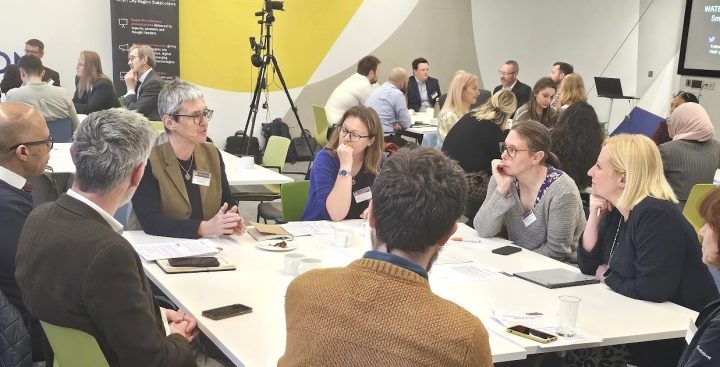
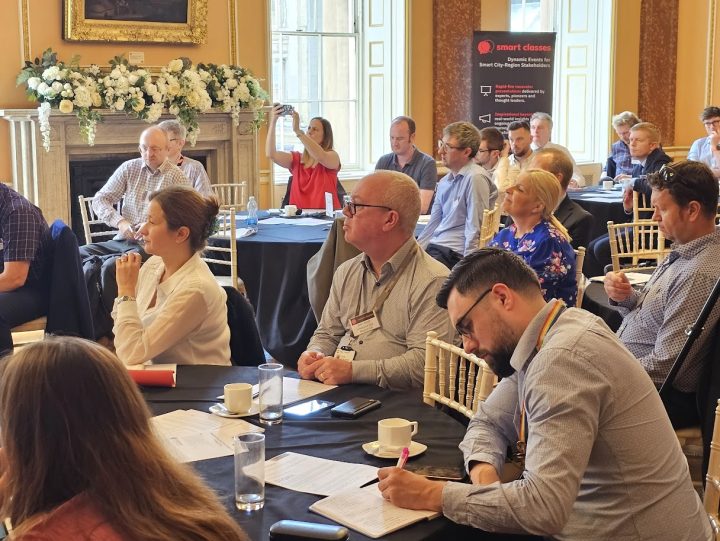
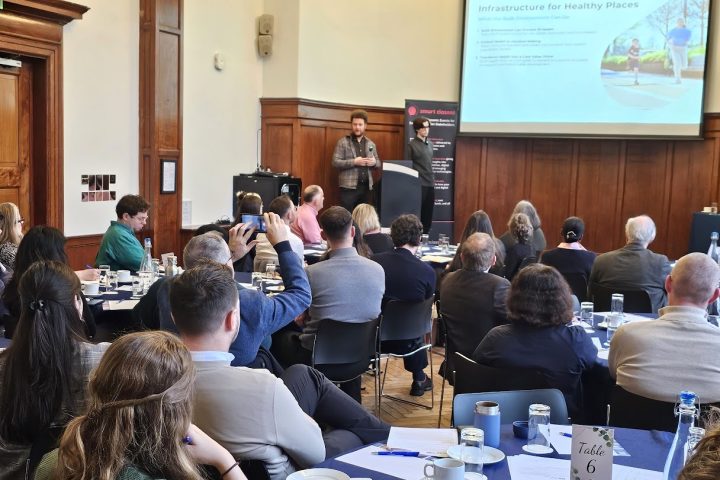
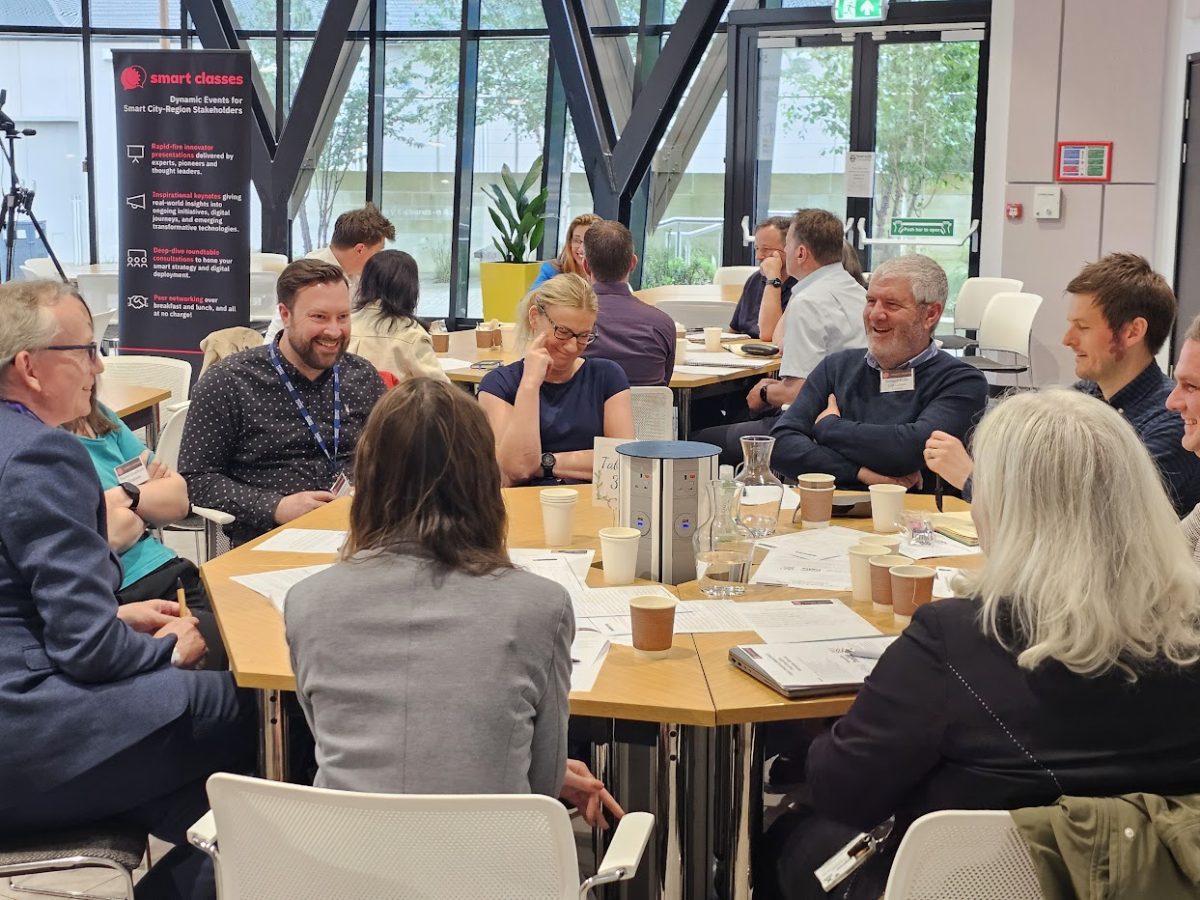
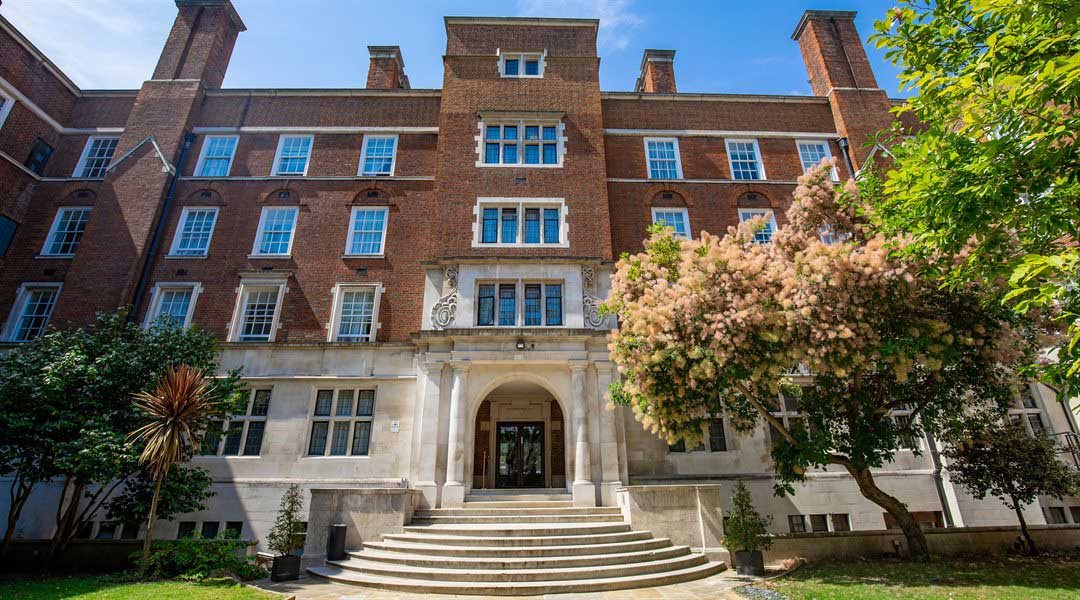
PUBLIC REALM & URBAN SPACES Smart Class 2025 will take place in London, at The Wellington Hotel by Blue Orchid (below), on Thursday 4th December, and follows on from highly acclaimed 2024 (Newcastle), 2023 (Manchester) and 2022 (London) editions! Delegates will hear from industry movers, shapers and disruptors during initial rapid-fire thought leadership presentations, before moving on to in-depth consultations with experts and peers during the roundtable discussions. In addition, the Smart Class will feature up to 3 keynote presentations from major buyer side stakeholders (e.g. a progressive local authority, place partnership, POPS creator, development corporation or public body of government) giving real world insight into their collaborative initiatives, digital journeys and adoptions of transformative technology and design. This half day in-person event is free to attend for bona fide delegates satisfying our registration criteria.
Previous Public Realm & Urban Spaces Smart Classes have attracted senior delegates from stakeholders such as:
Previous presentations addressed the following topics:
Testimonials and feedback:
“Thank you for hosting! It was a wonderful event filled with inspiring people” “A very informative and engaging event that provided valuable insights into public realm” “Really enjoyed learning more about Helix, the Historic England High Streets project and community engagement. All of the expert presentations had something to offer and all of the roundtables were useful. Thanks for a great event” “Just to say what an excellent event yesterday…Great session! Please do more! All of the presentations and roundtables were equally relevant and useful” “Will recommend Smart Classes to colleagues” “It was a real pleasure to be part of this really great event – some really insightful presentations. I thought the speakers were all really interesting and have already followed up with some e-mails” “I enjoyed the event and thought it was well organised and the ordering of talks was perfect! Well done” “Great learning and networking opportunity” “Lots of innovation and a huge amount of food for thought” “The day was brilliantly organised and was comprised of a great collection of experts across a range of aspects of our urban spaces. From building delivery and commercial management, heritage, transport, public engagement and asset management, everyone brought their own experiences from research, project design and delivery” “Really enjoyed it. Some great content and discussions. 10/10! Fascinating presentation on the history of the Helix site and how placemaking is evolving the city for future growth. Followed by other very interesting items such as how cutting edge digital technology is being used to survey/model the movement of people in order to shape the public realm of the future, and how Historic England are helping to rejuvenate town centre footfall through reinstating historic shop fronts. Thank you for inviting me” “Excellent event – thanks!” “Very useful insights into engagement and some great insights into digital opportunities. Keep up the great work!” “Thank you for an excellent experience. Landscape, urban design and urban renewal topics of particular interest” “Thank you for organising yesterday’s event. Very much appreciated being invited along and found it thought provoking” “Excellent event. Getting to speak and deep dive during the roundtable sessions was most valuable” “Really enjoyed the day and thought it was very well run – thank you! Really interesting to see how things are done differently in different regions and great insight into engagement possibilities and improvement” “Thank you for organising this fruitful session. All sections were informative” “Many thanks for an engaging and thought-provoking session” “All of the roundtable discussions were valuable” “Thanks for the invite, it was a very interesting session with great speakers” “Many thanks for the invite. It was a fascinating class and I hope to see you again soon in Coventry” “Today, I was part of Smart Classes’ Public Realm & Urban Spaces event where I was invited to present obo Hull. There were insightful and thought provoking speakers and interesting debates in the roundtable break out sessions. Lots to learn and share” “Organisation of the event was excellent” “Helpful programme content and targeted at the right level” “I thoroughly enjoyed the session, it was very informative” “An overall excellent event experience” “It was a pleasure to talk about the way we work together in Manchester” “Great to be a part of the event. It was an excellent opportunity to connect with like-minded colleagues working in urban development and place-based innovation” “Excellent opportunities to network” “Always a valuable source for new insights and contacts” “Excellent event. Liverpool (Innovation District) was most relevant and interesting” “Informative presentations and engaging roundtable discussions” “Yesterday’s event was really insightful, and it has been a pleasure to contribute to these interesting discussions”…“Thank you for the details on the next event. It was a great experience to attend the last event in London so will definitively recommend!” “Inspiring, really enjoyable and well organised, many thanks” “I found the conference super insightful. Made you question how we’ve been managing public spaces for years and learn of innovative ways of doing it better going forward. I definitely got value out of this event and networked with organisations which I believe will help our clients to take the next step into creating more sustainable, digital and community driven mixed-use developments” “Thank you for bringing this Smart Class to my attention!” “All the presentations and roundtables were valuable” “The Smart Class was an invaluable opportunity to learn, ask questions and engage with innovators and groups with great stories to tell. I believe I will have lots more fascinating conversations on the back of this session. Thank you!” “Great seminar, Mark and team! Thank you” “Programme Content was helpful and relevant” “The day was interesting, presenting a variety of projects. It was good to see technology companies as there is quite a gap in innovation in public realm design. Thanks again for hosting” “It was a pleasure attending, and really enjoyed the presentations” “It was a great event, some really interesting presentations and ideas with good discussions with attendees throughout the day. Thanks for putting it on!” “Thank you so much for the excellent experience. Looking forward to the next Smart Classes” “Engaging roundtable discussions and excellent opportunities to network” “The presentation and roundtable on Lewisham has led to a potential sales lead” “Well done for organising! Great seminar to talk about Lewisham project and meet people interested and involved in public realm schemes. Thank you all” “Really great event last week” “I find the events very informative and look forward to attending again in the future…Really enjoyed this Public Realm & Urban Spaces Smart Class and the conversations with the attendees, keep these events coming!” “Thoroughly enjoyable! Good contacts made!” “Thanks for a great event last Thursday in London and to the attending innovators from cities, councils and the private sector that we met who were both engaged and engaging. Telensa considered it a very worthwhile event and we look forward to collaborating in the near future” “Thank you for an excellent event! I really loved it and found it very beneficial. Really hope we can get involved in more Smart Classes in the future!” “Thank you to everyone who engaged with our presentation” “Always a pleasure to attend and present at the Smart Classes events” “Great to be back in Manchester yesterday for the Smart Classes’ Public Realm & Urban Spaces event as expert innovators at Brightly. Talking all things asset management, IoT and carbon capture, and how councils are able to create connected systems and enable smarter assets which deliver better outcomes for the communities they serve. Thanks for having us Mark and team!” “I really enjoyed today’s Smart Class – as always, a great selection of speakers” “Thanks again for hosting in Newcastle. There was a really good range of presentations and we had some valuable conversations. Hopefully catch up again soon!” “Just to say a massive thank you for the opportunity to join you today. It was an excellent morning and created fantastic networking opportunities. I love the fact that the roundtables meant we got to speak to everyone in the room and they got the chance to ask us great questions” “To echo Rosslyn’s comments, I found it to be a really productive session – thank you. The discussions on the roundtables were really useful with plenty of leads to follow up on”…“It was a pleasure to talk at Smart Classes Public Realm and Urban Spaces event in Newcastle yesterday, alongside a range of fantastic speakers working across public realm and urban schemes. We spoke about ‘How Data and Community Engagement Can Affect Change’, with a focus on the Sustrans Walking and Cycling Index and Disabled Citizens Inquiry and hosted discussions on the use of data to affect change. A big thank you for the opportunity to showcase the work that Sustrans does within urban environments”
Director of Investment and Growth, Newcastle City Council
Urban Designer, Newcastle City Council/Associate Lecturer – Principles and Practice of Urban Design, Newcastle University
Project Manager – Economic Delivery, The North East Combined Authority/Planning Consultant, Tyne & Wear Planning
Policy & Economy Advisor (Social Economy), The North East Combined Authority
Head of Renewals, Nexus (The Tyne and Wear Passenger Transport Executive)
Transportation Planner, East Lothian Council
Estates Director, Newcastle Helix/Development Director, Broadoak
Director of Policy and Technical Affairs, The Chartered Institution of Highways and Transportation (CIHT)
Regional Engagement Manager (North East), Active Travel England (ATE)
Senior Manager – Geospatial & Visualisation, Homes England
Principal Consultant, Integrated Transport Planning
Business Development Manager, Balfour Beatty
Associate Director – Landscape Architect, Wardell Armstrong LLP
Head of Transport, Urban Foresight
Associate Landscape Architect & Urban Designer, SLR Consulting
Principal Engineer, Sustrans
Associate Director, WSP/Vice Chair, CIHT North East & Cumbria
Infrastructure Project Manager, West Yorkshire Combined Authority
Transport Planner, West Yorkshire Combined Authority
Assistant Director of Regeneration, Ashfield District Council
Executive Director Place, Ashfield District Council
Regeneration Officer, Bury Council
Urban Design Officer, Coventry City Council
Head of Culture, Place and City Centre, Hull City Council
Planning Officer, Preston City Council
Urban Design Officer, St Helens Borough Council
Senior Planning Officer, Sunderland City Council
Project Development Manager for Major Projects, Wigan Council
Partnership Director, CityCo Manchester
Project Specialist, Urban Foresight
Landscape Architect, Arcadis
Director, Association of Transport Coordinating Officers
Strategic Development Manager and Travel Hubs Lead, Transport for Greater Manchester
Transport Strategy Officer, Transport for Greater Manchester
Group Manager, Major Programmes and Projects – Policy and Projects Division, City of London Corporation
Senior Urban Designer, Sustrans
Project Manager Architecture & Placemaking, Mace
Placemaking Group Manager, Surrey County Council
Senior Urban Designer, Hackney Council
Associate Principal Lighting Design Consultant, Elementa Consulting
Head of Innovation – SHIFT, London Legacy Development Corporation
Transport Planner, London Borough of Hammersmith and Fulham
Director of Masterplanning, Meinhardt UK
Director of Digital Transformation, 31ten Consulting
Director of Insight and Research, AND London
Urban Spaces Engineer, Sustrans
Landscape and Urban Design Associate Director, WSP
Local Authority Strategy Development Manager, Keep Britain Tidy
Associate Landscape Architect, Project Centre – part of Marston Holdings (Innovation Sponsor)
Senior Client Solution Architect, Brightly (Innovation Sponsor)
Client Engagement Director, Brightly (Innovation Sponsor)
Global Account Manager, Telensa (Innovation Sponsor)
UK & Ireland Sales Manager, Telensa (Innovation Sponsor)
Business Development Manager, Commonplace (Innovation Sponsor)
Commonplace Marketing Team (Innovation Sponsor)
Solutions Manager, Brightly, a Siemens company (Innovation Sponsor)
Account Director, Brightly, a Siemens company (Innovation Sponsor)
Technical Director (North Region), Project Centre, part of Marston Holdings (Innovation Sponsor)
Associate Landscape and Urban Designer, Project Centre, part of Marston Holdings (Innovation Sponsor)
England North Director, Sustrans (Innovation Sponsor)
Partnerships Manager – North, Sustrans (Innovation Sponsor)
Speakers
“Reimagining the Public Realm of Regent Street, Haymarket, and Piccadilly Circus” – The Regent Street, Haymarket and Piccadilly Circus public realm project is a collaborative initiative between The Crown Estate and Westminster City Council aimed at transforming one of London’s most iconic streets into a greener, safer, and more accessible destination. With a rich history dating back to 1819, Regent Street has long been a hub for retail, culture, and architecture. The programme focuses on securing the future of this street amongst global competition and climate challenges.
The programme reflects a forward-looking vision that balances heritage with innovation, ensuring the street remains vibrant and resilient for years to come.
In this keynote, Claire Hepher-Davies (Senior Development Manager – Public Realm) from The Crown Estate and Sarah Hoare (Head of Public Realm) from Westminster City Council will share how this unique partnership has formed, the proposals following recent engagement on a masterplan and movement strategy and the opportunities and challenges a proposal of this nature faces.
“Shaping Better Public Spaces through Innovation” – The Innovate UK Catapult Network provides a unique combination of cutting-edge R&D facilities and world-class technical expertise to support UK business innovation. Connected Places Catapult is the UK’s innovation accelerator for the Built Environment, Local Growth, and Transport.
In this presentation, Geoffrey Stevens (CPC’s Director of Built Environment and Urbanism) and Joshua Thomas (Head of Built Environment and Urbanism – Technical) will share insights from their work establishing the Public Realm Innovation Lab.
The Lab partners with local authorities, developers and communities to test and co-create solutions that make public spaces more inclusive, sustainable and successful. By addressing fragmented policies, limited evidence and weak community engagement, the Lab aims to pilot real-world interventions and generate evidence to improve public spaces and attract investment.
“TfL’s Role in Improving London’s Public Realm through the Healthy Streets Approach” – Rob Edwards is a Lead Sponsor at TfL and works with the North London Boroughs on their programme of schemes funded through the LIP funding from TfL. He has delivered an extensive programme of enhancement schemes on the Mayors Road Network such as the Angel Town Centre scheme, Elephant and Castle Southern roundabout, early phase schemes at Old Street Roundabout and Highbury Corner, Finsbury Park gyratory removal and an extensive package of pedestrian improvements along Edgware Road in Westminster.
TfL have adopted the Healthy Streets Approach to improve air quality, reduce congestion and help make London’s diverse communities greener, healthier and more attractive places to live, work, play and do business. This approach to public realm puts people and their health at the centre of decisions about how we design, manage and use public spaces.
Rob will reflect in this keynote on progress (or lack of) over the last 35 years and ask, “Why does it matter?”.
With additional input from Alina Sechrest (a Principal Sponsor on Rob’s team), the presentation will feature case studies of Edgware Road in Westminster and Upper Street in Islington, and highlight lessons learnt.
Finally, by way of conclusions, Rob will explore “reasons to be cheerful” and “some reasons to be worried”.
“Designing Sustainable Places for People and the Future” – Project Centre design sustainable, resilient, and people-centred places that respond to the evolving social and environmental challenges of our built environments. Understanding the importance of balancing design quality, functionality, and sustainability within complex urban contexts, they approach every project with a focus on long-term impact and practical delivery.
Project Centre’s integrated portfolio spans urban design, landscape architecture, lighting, and drainage infrastructure, delivering schemes that combine technical excellence with innovative elements such as adaptive lighting, nature-based solutions, and inclusive placemaking. The result is designs that are tailored to communities and councils’ needs, easy to maintain, and aligned with carbon-reduction and future sustainability goals.
In this presentation, three Project Centre experts – Bharati Ghodke (Technical Director for Landscape Architecture and Urban Design), David Chapman (Associate Director – Flood and Water Management) and Herbie Barnieh (Associate Director for Lighting and Technology) – will team up to share best practice from recognised schemes across the UK, demonstrating how evidence-based design and integrated, innovative solutions can reduce energy use, enhance biodiversity, and create vibrant, attractive spaces that work for both the people and the environment.
“Creating Spaces that Work for Young People: Bringing Together Active Travel and Public Realm Improvements” – This presentation on behalf of Walk Wheel Cycle Trust will showcase a selection of School Streets and neighbourhood approaches projects that have involved deep community engagement along with child led design through various methods, delivering public space transformation and active travel improvements.
Zeina Hawa (Principal Engineer) and Lorenzo Ciancarini (Senior Engineer) will touch on the role of widening the scope of highways improvement projects to encompass wider public health benefits, and on the role of meaningful, broad engagement and data collection in shaping design proposals and creating lasting street transformations.
Agenda
- 8:30 am - 9:00 am Registration, Networking and Refreshments
- 9:00 am - 9:30 am Introduction and Opening Keynote
- 9:30 am - 10:40 am Expert Innovator Presentations
- 10:40 am - 11:00 am Keynote Speaker 2
- 11:00 am - 12:40 pm Roundtable Discussions and Consultations
- 12:40 pm - 1:00 pm Keynote Speaker 3
- 1:00 pm - 2:00 pm Close and Lunch Networking