
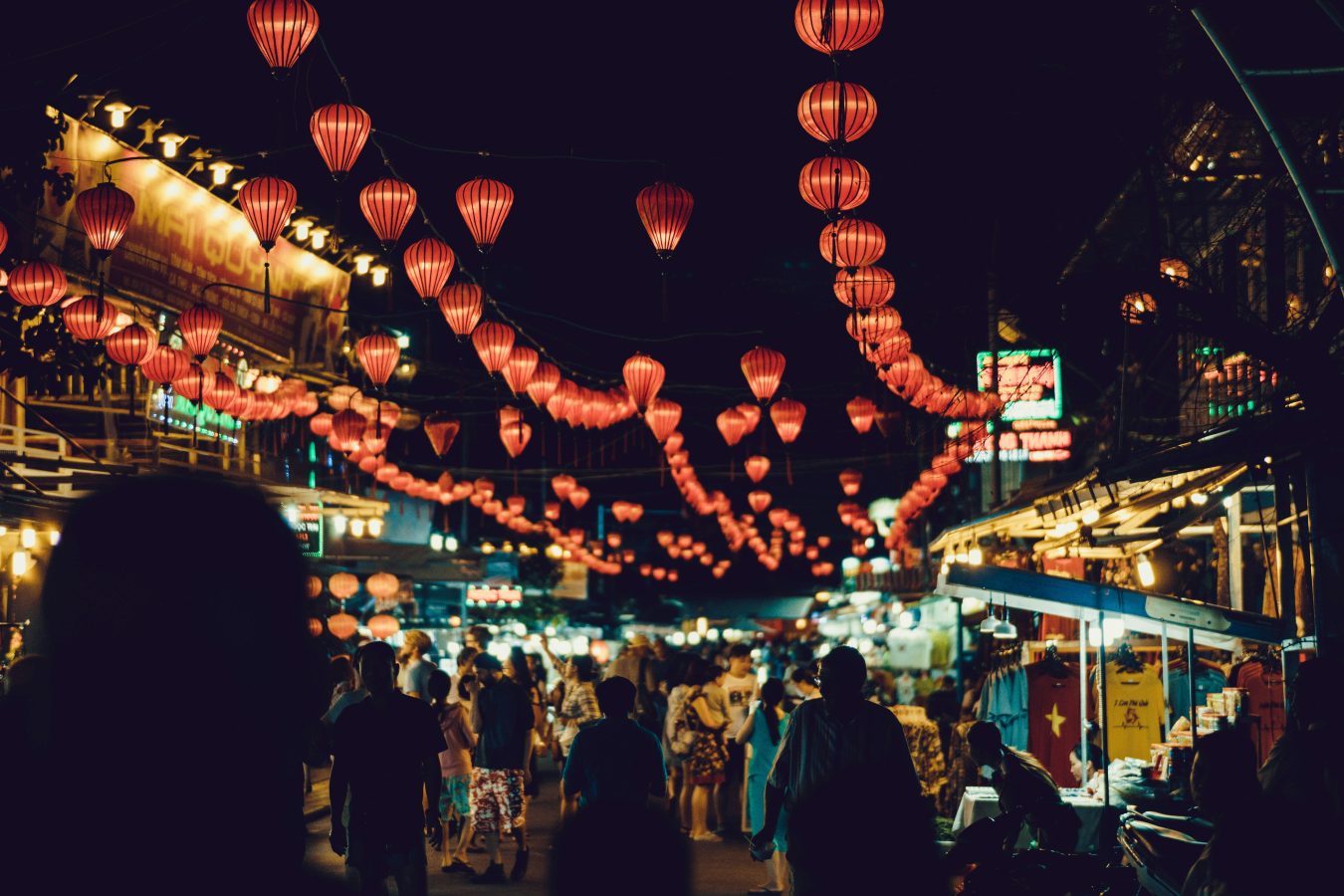
When the sun sets, most cities largely “switch off.” Public transport thins out, parks close and many services shut their doors, even though millions of people continue to work, travel and gather after dark. Around the world, more than 80 cities have appointed night mayors or established night-time offices and the global night-time tourism market is projected to nearly triple in value by 2035.
The 24-hour economy is emerging as a critical lever for urban resilience, inclusion and growth. For policy-makers, businesses and communities, the question is no longer whether to engage, but how. However, as governments and businesses explore this new frontier, a few persistent myths still hold us back.
These misconceptions risk oversimplifying the night as an afterthought in urban planning – overlooking essential services, workers and communities, and perpetuating outdated approaches to governance, safety and design. Nightlife plays an important role in shaping vibrant cities – the opportunity lies in connecting it to a broader 24-hour vision for innovation, inclusion and community well-being.
To truly unlock the potential of 24-hour cities, we must start by rethinking four common myths.
1. Life at night is just ‘nightlife’
The night is often imagined as a scene of neon lights, clubs and parties. However, the growing field of research known as “night studies” shows that the night-time economy is far broader. It includes public services, logistics, healthcare, culture and informal gatherings.
For instance, New South Wales’ 24-Hour Economy Strategy frames the night not just as an entertainment zone but as a “shared public resource” that supports everything from all-night libraries to cultural hubs.
Nightlife remains a key catalyst that activates the broader night-time ecosystem. However, expanding our vision of “life at night” allows cities to plan more equitable services, unlock new markets and build communities that truly thrive 24 hours a day.
2. The night is for play, not for work
When we think of the night, we picture people out having fun. For millions, however, the night is when work begins. Delivery drivers, cleaners, hospital staff and transit operators keep cities running.
In New York, the Office of Nightlife supports an industry that generates over $35 billion annually and sustains nearly 300,000 jobs, while also offering mental health resources and harm reduction programmes for those who work in the sector.
Hospitality workers – bartenders, servers and venue staff – also play a vital role in sustaining the night-time economy, drawing visitors and fuelling demand that supports many other sectors.
In the United Kingdom, one in nine people work at night. Building a 24-hour economy means putting workers at its centre: with fair wages, accessible transport and safe, inclusive public spaces. Recognizing these workers not just as service providers but as essential urban citizens can drive more equitable and sustainable growth.
3. Keeping cities safe at night means more law enforcement
While safety after dark is often seen as synonymous with increased police presence, many cities are proving there’s another way.
Amsterdam’s Rembrandtplein Square Hosts are examples of mediators and on-the-ground facilitators that help people navigate busy city areas at night, reduce noise and resolve disputes peacefully.
When these mediators were first implemented as part of a pilot program, nuisance complaints dropped by 40% and alcohol related incidents in the area decreased by 20%. These community-led models reduce pressure on police while creating more welcoming urban environments.
True safety is not only about enforcement; it’s about design, trust and shared responsibility. Good lighting, accessible transport, active public spaces and trained mediators can create nights that are both safer and more inclusive, supporting vibrant social life while protecting vulnerable groups.
4. Public spaces sleep at night
There is a common misconception that life at night happens only behind closed doors: in clubs, bars, restaurants or private parties. The reality is that streets, parks and plazas are the stage for much of the night economy.
In Osaka, well-lit playgrounds and pedestrian zones encourage safe evening activity. Inspired by Paris’ Nuit Blanche, hundreds of cities around the world have incorporated all-night festivals into their annual cultural programming, which bring together thousands of people of different ages to contemplate installations, performances and exhibitions that blend contemporary art and public space.
Investing in inclusive, accessible public spaces after dark doesn’t just improve safety; it also fosters social connection and urban resilience. In places such as Dubai and southern Spain, beaches and other open areas are increasingly used as “climate refuges,” offering relief from rising temperatures when the sun goes down.
For those without air conditioning at home, well-lit, welcoming and safe public spaces at night aren’t a luxury; they are essential social infrastructure.
Reimagining the city after sunset
Overcoming these myths is the starting point for reimagining how cities work, for everyone, 24 hours a day. Yet cities and businesses often lack the data, case studies and practical tools they need to design effective night-time policies.
The World Economic Forum’s 24-Hour Economy initiative aims to reimagine life after dark – not as an afterthought but as a frontier for inclusive growth, innovation and community well-being.
A recently published briefing paper marks the beginning of a global effort to unite a multistakeholder community committed to co-creating a shared repository of strategies and solutions, benchmarking progress across domains such as governance, mobility, safety, infrastructure and culture, and catalyzing pilot collaborations in cities worldwide.
We invite public and private sector leaders, cultural institutions and innovators to join us in shaping this next chapter: building a shared platform for collaboration, exchanging insights and best practices and advancing thoughtful strategies that activate vibrant, resilient and connected 24-hour cities worldwide.
Cities don’t stop at sunset and neither should our imagination. By viewing the night through the lens of innovation, we can unlock the true potential of the 24-hour economy.
Saiful Salihudin is Lead, Urban Transformation at the World Economic Forum
Andreina Seijas is Founder & Principal of Night Tank
This article was originally published by the World Economic Forum on 22nd October 2025 and is part of the Centre for Urban Transformation
Feature Image Source: Chris Slupski on Unsplash – The 24-hour economy is about more than nightlife.