
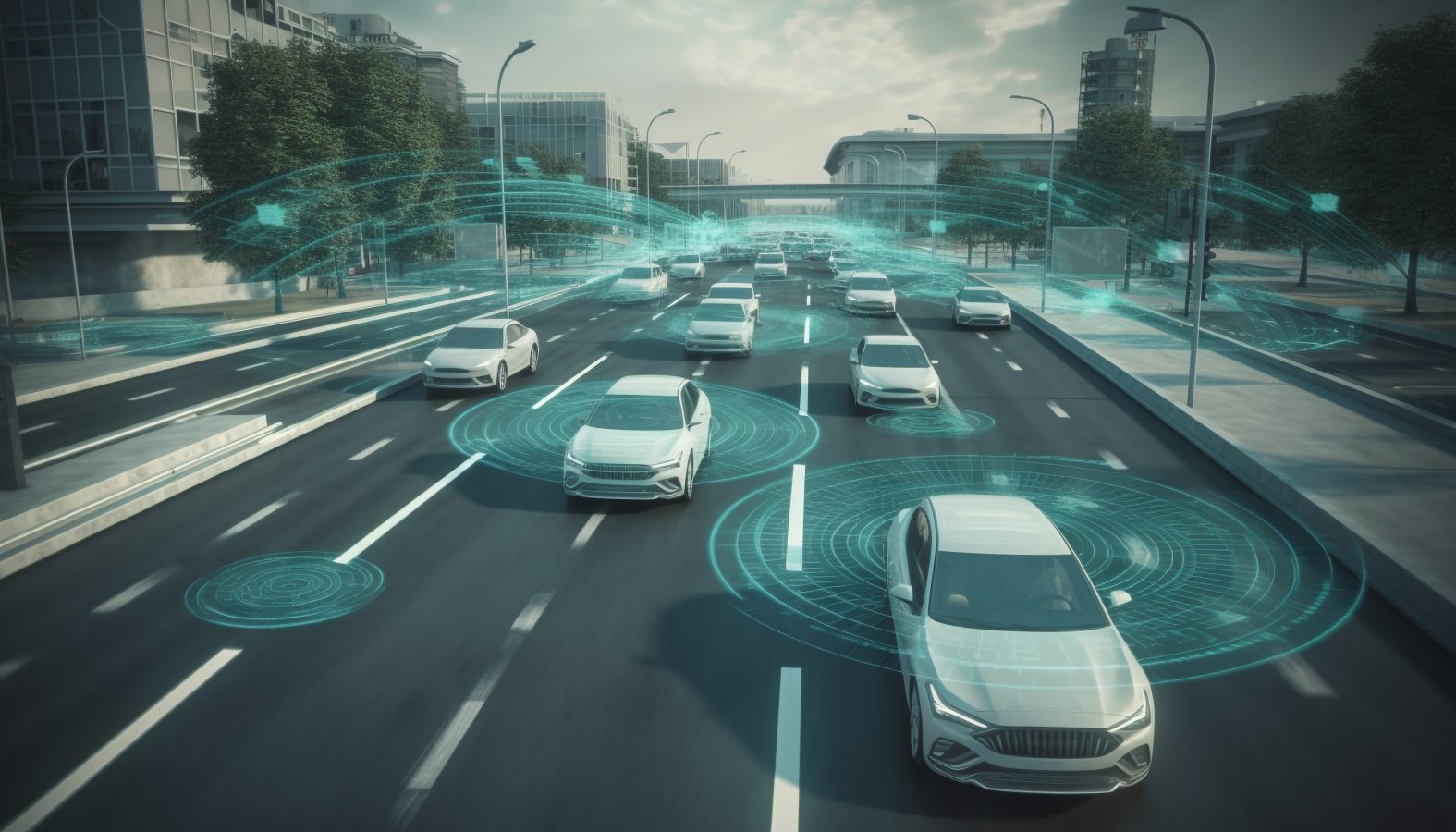
AI is rapidly transforming transport planning, promising to revolutionise traditional approaches with data-driven decision-making and automation. From predictive analytics that anticipate congestion before it happens to autonomous vehicles redefining mobility – and even possibilities we have not yet imagined – the potential of artificial intelligence in transport is undeniable. AI is not just refining existing systems; it will fundamentally reshape how we design, manage, and experience mobility. It envisions a future where traffic jams are a thing of the past, where public transport adapts dynamically to demand, and where autonomous systems seamlessly coordinate people and goods across numerous travel modes.
The vision is compelling, but beneath the excitement lies an extremely complex reality. AI is only as good as the data it is trained on, and its success depends on public trust, regulatory oversight, and ethical deployment. So, rubbish in, rubbish out!
While its ability to optimise transport networks is impressive, it also raises profound questions: Who benefits most from AI-driven transport? How do we ensure that efficiency does not come at the expense of fairness? And is AI truly the real game-changer that transport planners and operators have been waiting for, or is it another overhyped technological promise?
Transport modelling has always been at the heart of planning, allowing authorities to anticipate demand, design infrastructure, and optimise services. Historically, these models relied on static data, manual calculations, and assumptions based on past trends. AI changes this by integrating vast amounts of real-time data – weather conditions, sensors, ticket sales, active travel movements and footfalls, and even social media activity – to create dynamic, responsive transport models. Instead of reacting to congestion, AI can predict and prevent it. Cities like Singapore and Helsinki are already deploying AI-powered transport models to fine-tune its public transport offer, optimising routes, and service frequencies with a level of precision that would have been impossible a decade ago.
But…AI is so much more than allowing us to improve our forecasting; however important that is. It is reshaping how journeys are planned and experienced. Journey-planning applications, once static, now use AI to personalise recommendations based on user behaviour. A single trip might involve a bike-share service, a driverless bus, and an e-scooter, all coordinated in real-time through AI-driven Mobility-as-a-Service (MaaS) platforms.
AI has started to revolutionise passenger communication. Smart ticketing systems use machine learning to detect usage patterns and offer the best fare options automatically. AI-powered virtual assistants provide real-time updates through voice and text, alerting passengers to delays, alternative routes, and service disruptions. Even transport contact centres, once dependent on human agents, now integrate AI chatbots to handle routine queries, reducing response times and freeing staff for more complex issues.
However, perhaps the most important application of AI in transport moving into the future, is the rise of autonomous vehicles (AVs). The potential benefits are immense – reduced road accidents, improved traffic flow, and increased accessibility for those unable to drive. AI enables these vehicles to interpret sensor data, recognise objects, and make split-second driving decisions. In cities like Phoenix and San Francisco, driverless taxis are already in operation, while autonomous freight trucks are being tested for long-haul logistics. Yet, AVs also introduce significant challenges. Unlike traditional vehicles, they don’t just navigate roads – they make ethical decisions. In an unavoidable crash, should an AV prioritise the safety of its passengers or pedestrians? And if an autonomous vehicle causes a fatal accident, who is liable?
Beyond the ethical dilemmas, there are infrastructure challenges. AVs rely on high-definition digital maps, seamless 5G connectivity, and smart traffic signals, yet much of today’s transport network is not designed for this level of automation. Without extensive upgrades, AVs may struggle to operate safely and efficiently, particularly in older urban environments with inconsistent road markings and unpredictable human behaviours. All of which costs money.
Freight and logistics are also being transformed by AI. Predictive analytics help logistics companies anticipate supply chain disruptions, rerouting shipments dynamically based on real-time data. AI-driven warehouses optimise inventory management, while self-driving delivery robots are trialled in urban areas. The efficiencies are undeniable, but they also raise difficult questions about labour markets. Truck drivers, warehouse staff, and even logistics coordinators may see their roles displaced as AI takes on more responsibilities. The economic implications of widespread automation remain uncertain, with potential social consequences that must be addressed.
Despite all this promise, AI in transport planning is not without risks. One of the most pressing concerns is bias. AI learns from historical data, and if that data reflects existing inequalities, AI-driven decision-making may reinforce them rather than correct them. For example, if AI detects lower ridership in certain communities, it might recommend reducing services to those areas, further marginalising already underserved populations. Without careful oversight, AI could deepen transport inequalities instead of resolving them.
Data privacy is another critical issue and must be addressed head-on. AI-powered transport systems thrive on vast amounts of personal data, but where should the line be drawn? Passenger tracking, facial recognition in transport hubs, and personalised travel recommendations all rely on extensive data collection. While these technologies improve efficiency, they also raise concerns about surveillance and consent. If AI-driven transport systems are to gain public trust, transparency in data usage and robust privacy protections must be prioritised.
Cybersecurity risks add another layer of complexity. As transport networks become increasingly reliant on AI, they also become more vulnerable to cyberattacks. A compromised AI-driven traffic management system could cause widespread congestion or even accidents. Autonomous vehicles, if hacked, could be turned into security threats. Transport authorities must ensure that AI systems are not only intelligent but also resilient against cyber threats.
The shift to AI-driven transport also has significant implications for employment. Automation will inevitably displace certain jobs—bus drivers, call centre operators, and even transport planners may find their roles evolving or disappearing. While AI will create new opportunities, they will not necessarily be accessible to those displaced. Workforce reskilling must be a priority to ensure that the transition to AI-driven transport benefits society as a whole rather than exacerbating inequalities.
Public trust remains another significant hurdle. AI-driven decisions can often seem unclear and difficult to understand. A train delay caused by a human conductor may be frustrating but understandable; a delay caused by an AI-driven scheduling error can feel unaccountable – people need to have someone (a face) to communicate with and to blame. People need to trust that AI is making fair, transparent, and ethical decisions. Without this trust, AI-driven transport systems will struggle to gain public acceptance, no matter how efficient they are.
With all these factors in mind, AI in transport planning is neither pure hype nor an inevitable revolution – it is a tool with enormous potential, but one that must be deployed with caution and responsibility. It can create a transport system that is more efficient, accessible, and responsive than ever before. But it also has the power to deepen inequalities, erode privacy, and replace human judgement with opaque algorithms.
So, as we stand on the edge of this transformation; as transport planners, policymakers, and technologists we must ask themselves: Is AI shaping transport to serve the public good, or are we shaping transport to serve AI? If we are to entrust our mobility to algorithms, who gets to decide the rules by which they operate?
Tim Bellamy is Assistant Director – Transport at Cambridgeshire & Peterborough Combined Authority
Tim originally published this article on LinkedIn on 12th March 2025
Feature Image: Vecstock on Freepik