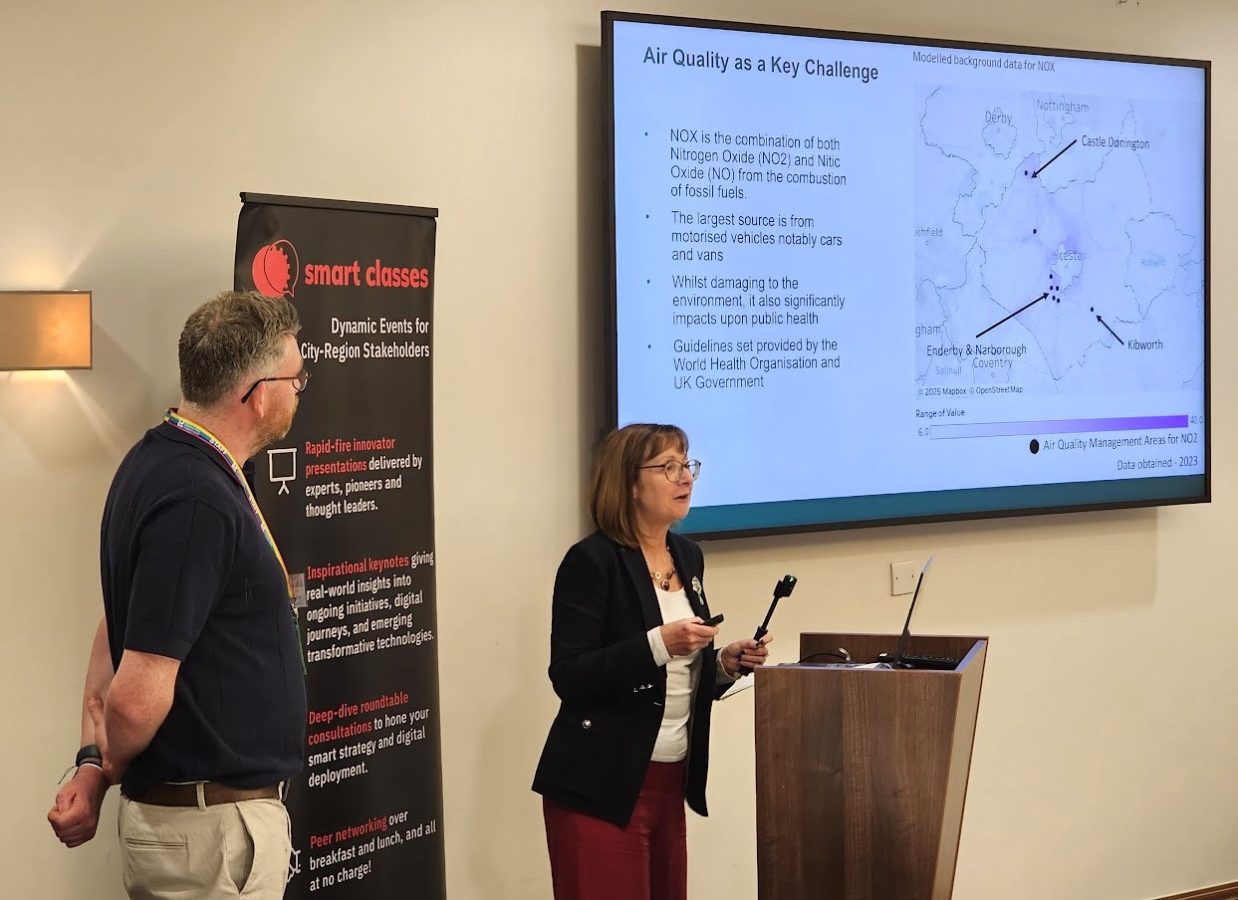
Ann Carruthers is Director of Environment and Transport at Leicestershire County Council, Immediate Past President of ADEPT, and Chair of Midlands Highway Alliance Plus. We were delighted to welcome her to EMISSIONS & AIR QUALITY Smart Class 2025, where she teamed up with Ben Simm, Leicestershire County Council’s Team Manager for Transport Strategy & Policy, to co-deliver a fascinating keynote setting out the role of Leicestershire’s new Local Transport Plan, LTP4, to empower transport as an enabler, and improve air quality to better the environment and the health and wellbeing of their communities.
Summary of presentation highlights:
- Relationship between Transport & Health…
- Transport is a determining factor to our communities’ lives and opportunities – Lack of connectivity can cause barriers to people moving around; Reliance on the car leads to low levels of physical movement; Travel costs can impact individuals’ financial stability; Motorised traffic can have detrimental implications on health & wellbeing;
- 29% increase in those aged 18 and over who have longstanding health conditions caused by a stroke by 2040; Between 2023-2040 the total population aged 65 and over with a BMI of 30 or more will increase by 34.7%; The average life expectancy for a female born between 2017-2019 is 84.3 years – for a male it is 80.9 years; Between 2023 and 2040 it is expected that the number of residents living with dementia will increase by 52.1%; A 35.5% increase in the population aged 65 and over predicted to have long term health conditions caused by bronchitis and emphysema; Between 2023 and 2040 the total population aged 18 and over predicted to have diabetes will increase by 22.5%; 9% increase in the number of people suffering from common mental disorders by 2040;
- What does this mean? Increased levels of the resident population suffering from more than one health issue; Increased levels of obesity and associated health issues; Impact on health care and social care services across the county; Impact on ability for residents to access health and social care services; Impact on life expectancy of our communities;
- Transport is an enabling/protective factor to improve our communities lives and opportunities – Promotion of active travel as physical activity and exercise; By providing good connections; Transport which is accessible to all residents so that they can move with ease; Enabling travel choice allowing residents to decide how and when they travel and by what modes; Delivering transport solutions need to consider the needs and requirements of our communities; Enable residents to participate in activities that can enhance health and wellbeing;
- Undertaking 150 minutes of exercise per week as an adult can have the following health benefits – Reduce the risk of developing breast cancer by 25%; Reduce to the risk of dementia by 30%; Reduce depression by 30%; Reduce the risk of developing osteoporosis by 50%; Reduce the risk of developing type 2 diabetes by 40%; Reduce the risk of developing heart disease by 40%;
- What does this mean? Reduce levels of social isolation and exclusion across our communities; Improved health across the population, reducing the demand on health and social care services; A strong and active workforce to support the economy; Providing betterment to the environment and reduced impacts on our communities by the transport network;
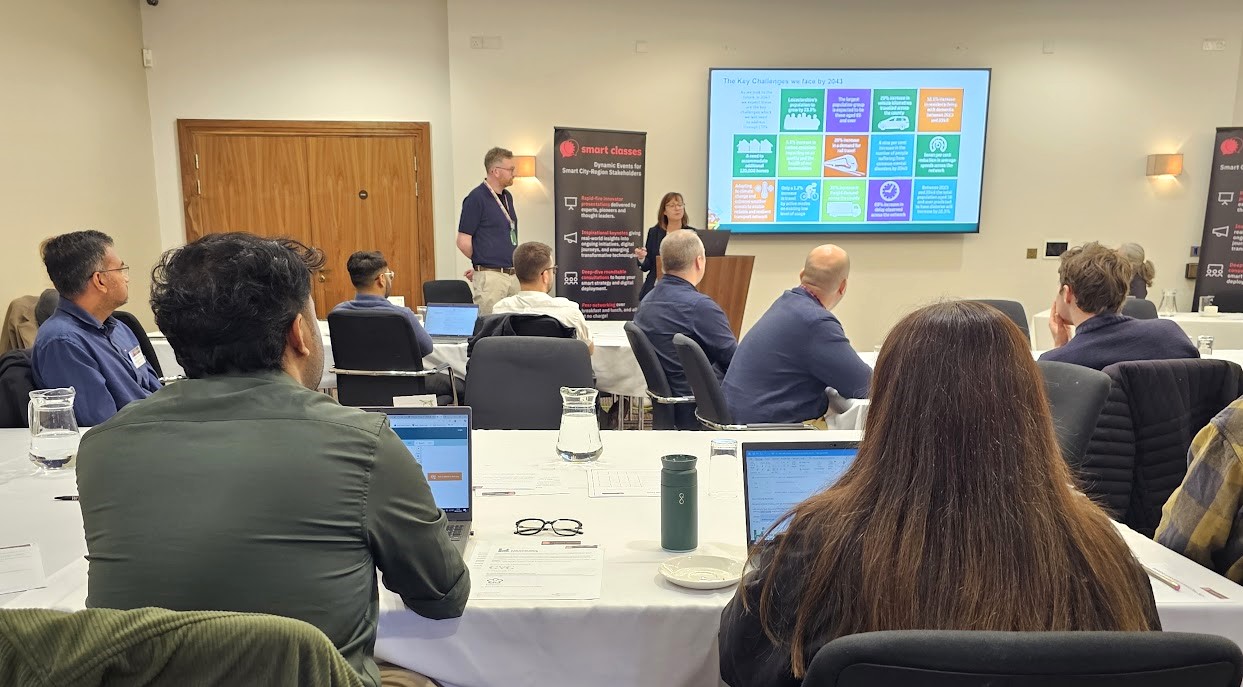
- The Key Challenges we face by 2043…
- As we look to the future, in 2043 we expect these are the key challenges which we will need to address through LTP4 – Leicestershire’s population to grow by 23.3%; The largest population group is expected to be those aged 65 and over; 29% increase in vehicle kilometres travelled across the county; 52.1% increase in residents living with dementia between 2023 and 2040; A need to accommodate additional 120,000 homes; 5.5% increase in carbon emissions impacting on air quality and the health of our communities; 26% increase in a demand for rail travel; A nine per cent increase in the number of people suffering from common mental disorders by 2040; 7% reduction in average speeds across the network; Adapting to climate change and extreme weather events to enable reliable and resilient transport network; Only a 1.2% increase in travel by active modes on existing low level of usage; 30% increase in freight demand across the county; 69% increase in delay observed across the network; Between 2023 and 2040 the total population aged 18 and over predicted to have diabetes will increase by 22.5%;
- Air Quality as a Key Challenge…
- NOX is the combination of both Nitrogen Oxide (NO2) and Nitric Oxide (NO) from the combustion of fossil fuels; The largest source is from motorised vehicles, notably cars and vans; Whilst damaging to the environment, it also significantly impacts upon public health; Guidelines set provided by the World Health Organisation and UK Government;
- Modelled background data for NOX – AQMA Locations: Kibworth, Whetstone, Enderby & Narborough, Mill Hill – Enderby, A5460 – Narborough Road South, Thorpe Astley & Kirby Muxlow, Copt Oak, Castle Donington;
- Particulate Matter (PM) is everything in the air which is not a gas and made up of a variety of chemical compounds of which some are toxic; Half of PM concentrations come from human activities which includes tyre and brake wear from vehicles as an example; Guidelines set provided by the World Health Organisation and UK Government; PM2.5 – particulate matters which are 2.5 micrometres of smaller/PM10 – particulate matters which are 10 micrometres or smaller;
- Modelled background data for PM2.5 in Leicestershire;
- Sources of air pollution (Figures from Public Health England, Health Matters) – Energy Industries; Manufacturing industries and construction; Fugitive emissions; Industrial processes; Residential and small-scale commercial combustion; Non-road transport; Road transport; Agriculture;
- Pollution substances – Sulphur dioxide (SO2), Ammonia (NH2), Non-methane volatile organic compounds (NMVOCs), Nitrogen oxides (NO2), Primary particulate matter (PM2.5);
- Air pollution affects people throughout their lifetime: Pregnancy – low birth weight; Children – asthma, slower development of lung function, development problems, more wheezing and coughs, start of atheroscierosis; Adults – asthma, coronary heart disease, stroke, lung cancer, chronic obstructive pulmonary disease (as chronic bronchitis), diabetes; Elderly – accelerated decline lung function, lung cancer, diabetes, dementia, heart attack, heart failure and strokes;
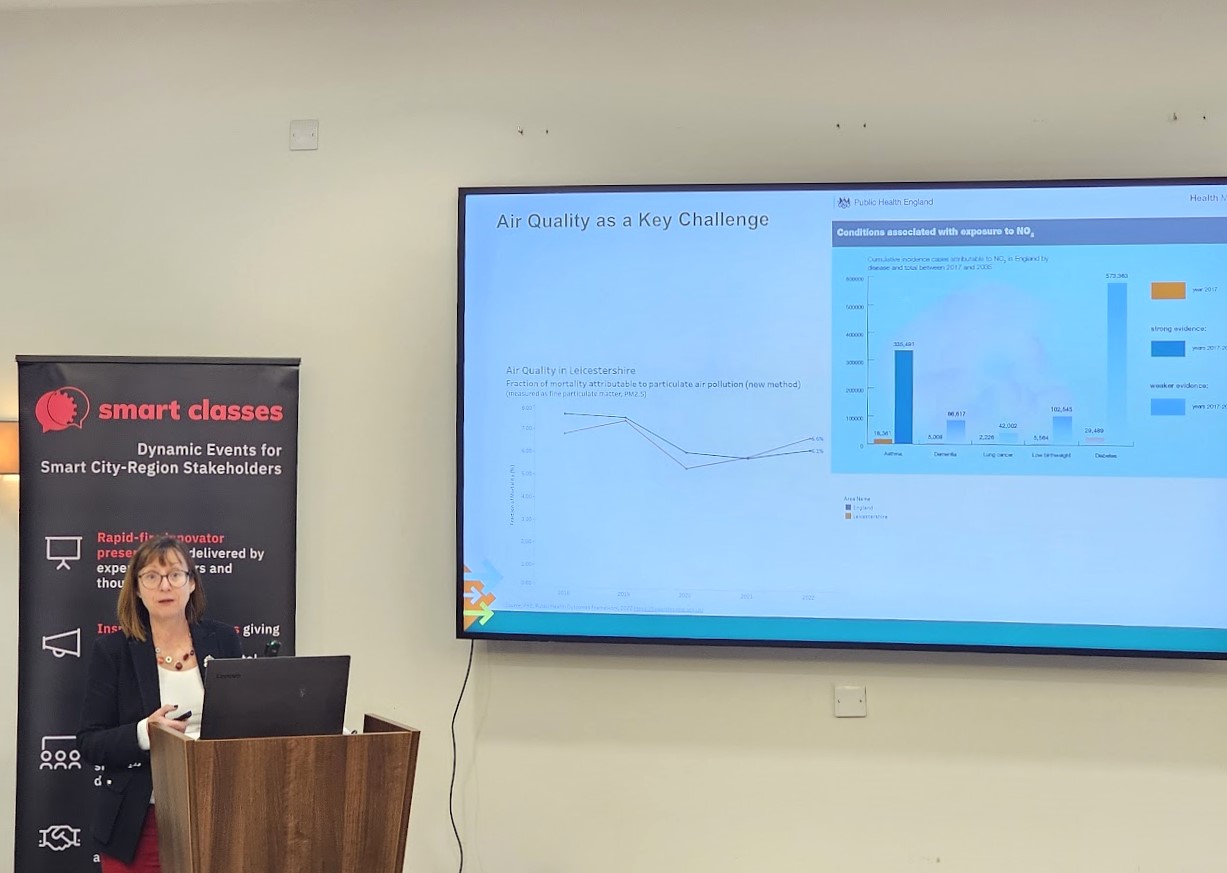
- Air Quality in Leicestershire compared to England – Fraction of mortality attributable to particulate air pollution (new method) 2018-2022;
- Conditions associated with exposure to NO2 – Cumulative incidences attributable to NO2 in England by disease and total between 2017 and 2035 (PHE Health Matters stats);
- Tackling the challenges through Policy…
- Core Principles – Tackling these challenges cannot be accomplished by transport or the County Council alone; We need to have an evidence-based approach to tackle these challenges head on; Foster an environment where our communities and LCC as an organisation understand that transport can be an enabler to tackle the challenges; Develop a strong policy foundation on which we can embed change for the betterment of our communities;
- Collaborative Working – Through several events and collaborative meetings; Identification of the following core areas – Communities, Health, Environment; Enabled support to undertake impact assessments at an early stage; Working collaboratively with external partners and stakeholders; Enabled a ‘check and challenge’ development environment for LTP4;
- From these discussions the Health and Carbon Workstream was set up, which included representatives from public health and the environment teams within the Council; Public health and environment teams were also invited to attend the project board; This input has been invaluable to support the development of LTP4 in terms of checking and challenging at various stages, being a ‘critical friend’ and supporting innovative thinking around the relationship between health and transport;
- LTP4 Development…
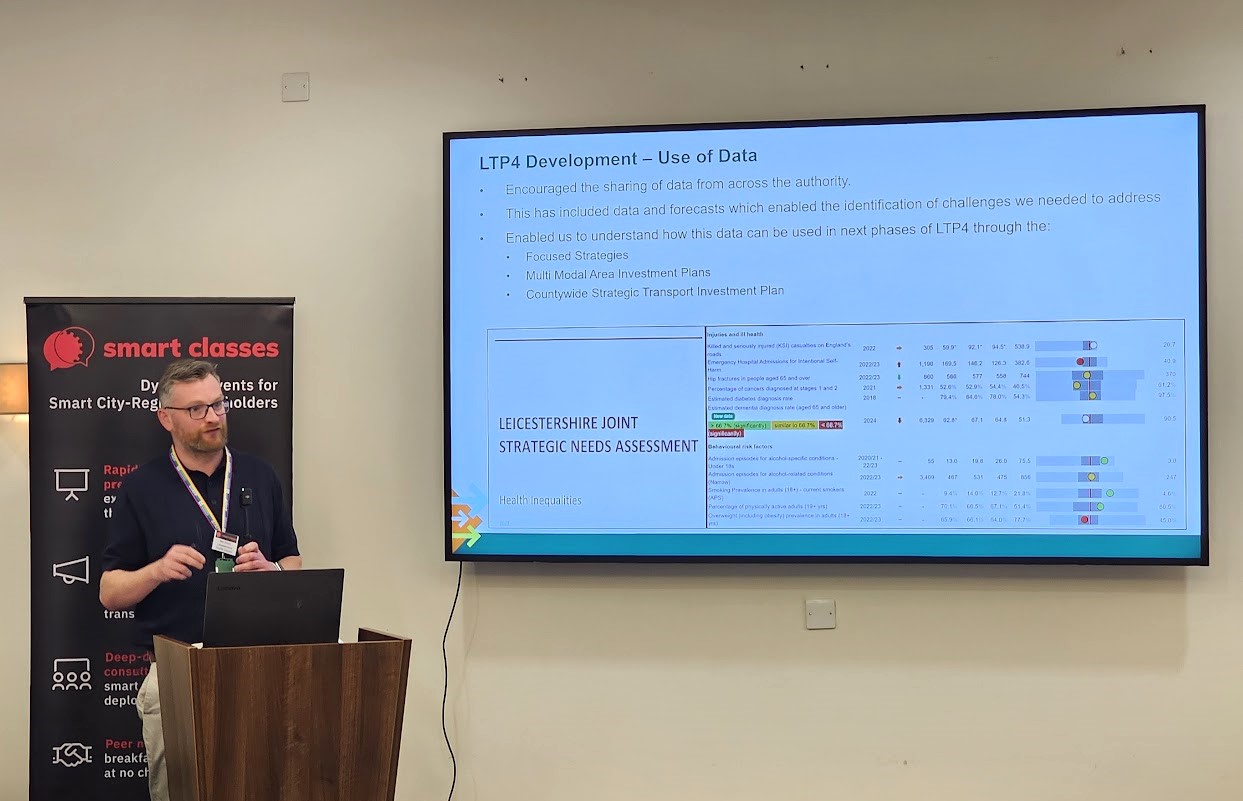
- Use of Data – Encouraged the sharing of data from across the authority; This has included data and forecasts which enabled the identification of challenges we needed to address; Enabled us to understand how this data can be used in next phases of LTP4 through the: Focused Strategies, Multi Modal Area Investment Plans, Countywide Strategic Transport Investment Plan;
- Leicestershire Joint Strategic Needs Assessment – JSNA will showcase how local level intelligence has been utilised; This is crucial as Leicestershire overall is considered healthy and performs significantly better compared to neighbours and against England average for a number of health outcomes – however, the overall Leicestershire picture can sometimes mask the variations happening at a neighbourhood level so using Public Health information can help inform the shaping of the plan to recognise the lower level key health challenges;
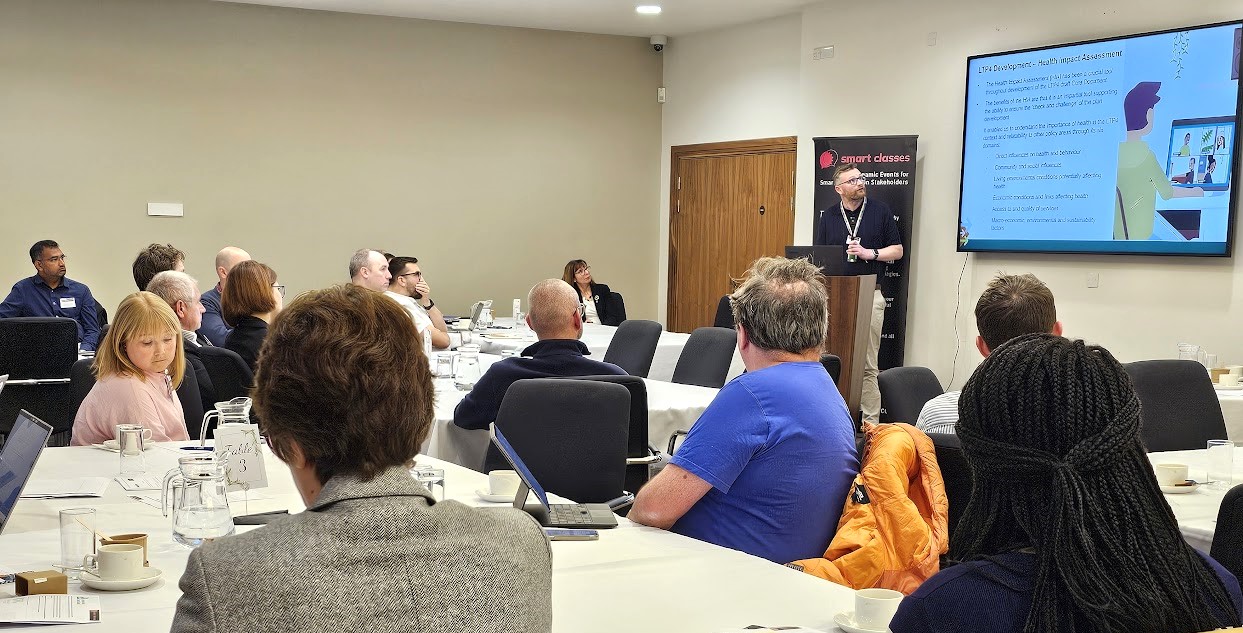
- Heath Impact Assessment (HIA) – The HIA has been a crucial tool throughout development of the LTP4 draft Core Document; The benefits of the HIA are that it is an impartial tool supporting the ability to ensure the ‘check and challenge’ of the plan development; It enabled us to understand the importance of health in the LTP4 context and reliability to other policy areas through its six domains: 1) Direct influences on health and behaviour 2) Community and social influences 3) Living environmental conditions potentially affecting health 4) Economic conditions and links affecting health 5) Access to and quality of services 6) Macro-economic, environmental and sustainability factors;
- Vision and Core Themes of LTP4 – “Delivering a safe, connected and integrated transport network which is resilient and well managed to support the ambitions and health of our growing communities, safeguards the environment whilst delivering economic prosperity”; The following themes will enable us to tackle the impact of Air Quality on our communities: Enabling Health and Wellbeing, Protecting the Environment, Enhancing our Transport Network’s Resilience, Embracing Innovation;
- Core Policies – Important that the Six Core Policies they enabled actions to be undertaken which would support the health and wellbeing of our communities; In addition, each of the policies has an objective which is associated with each of the core themes; This also enables the Transport Teams, Environment Teams or Public Health to utilise the policy justification to support funding opportunities or strategic cases for actions that need to be implemented for the betterment of communities across Leicestershire;
- Additional activities to improve air quality across Leicestershire…
- Continuing to work with District and Borough Councils in the implementation and management of Air Quality Management Areas; Also working with them on development of their Local Plans, to ensure that developments are sustainable and enable modal choice to reduce non-car-based journeys; Delivering on our works programmes, including Bus Service Improvement Plan and Local Cycling and Walking Plans; Electric Vehicle Charging Strategy; Working with other stakeholders to mitigate and manage the impact on air quality within Leicestershire e.g. National Highways, Network Rail, Midlands Connect; Include bike ability classes; Bus network review; Fox network; Working with stakeholders through Air Quality Partnership e.g. Air quality education for Leicester schools etc;
- Key messages conclusion
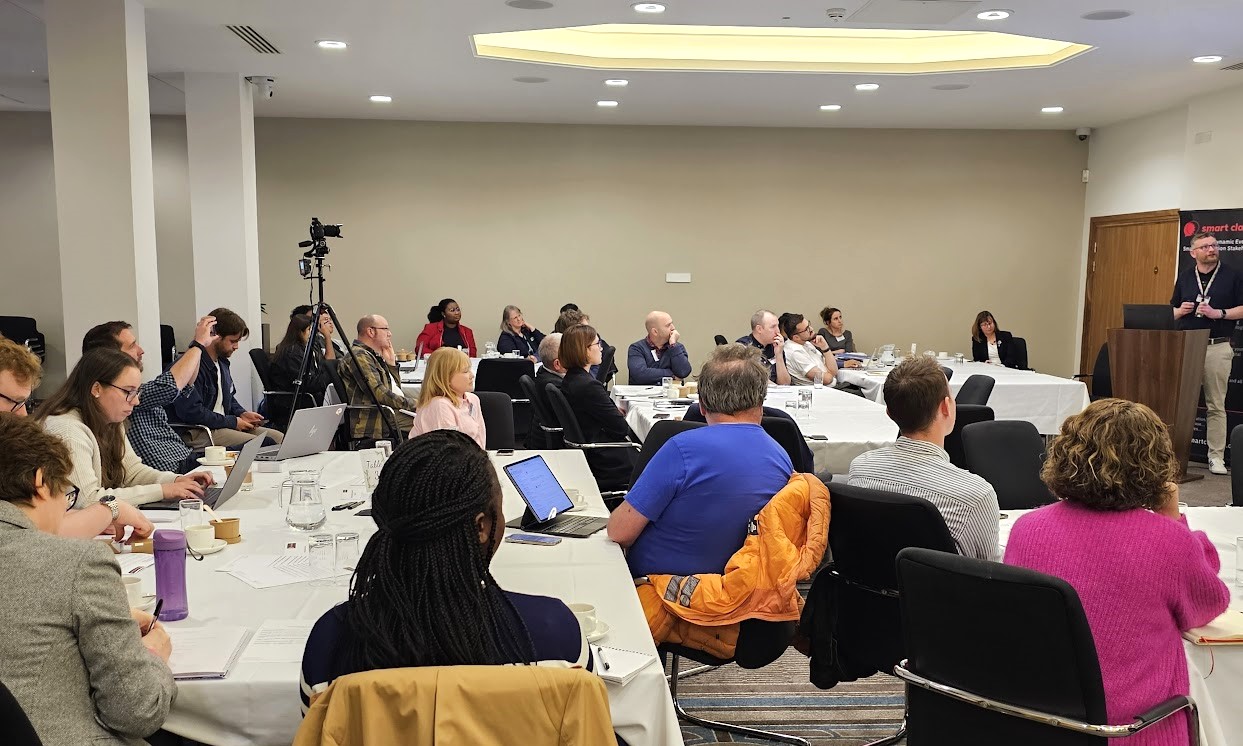
If you satisfy our regular delegate qualification criteria but were unable to join us in Leicester on May 8th for the live in-person event at City Hall, CLICK HERE and complete the short “Download form” (located at the bottom of the post) to receive a unique link enabling free access to the presentation video recordings and slides (including the film footage and slides from Ann and Ben’s keynote).
Those qualifying to receive the rich presentation content from this event include commissioning, procurement, trialling, partnering, policy and programme leads, senior influencers, strategic decision makers, environmental managers, climate/sustainability/transport/public health officers and planners from local authorities (e.g. city, borough, metropolitan, district and county councils); public and private transport operators/service providers; sub-regional transport bodies, combined authorities, integrated transport authorities and passenger transport executives; freight and logistics operators; airports anare the key challenges d port operators; vehicle manufacturers; energy providers; potential partners from industry (e.g. retail, construction, manufacturing and waste management sectors) and healthcare; DfT, Defra, EA, BEIS, DHSC, UKHSA and other and supporting national agencies; prime contractors; academia etc.