
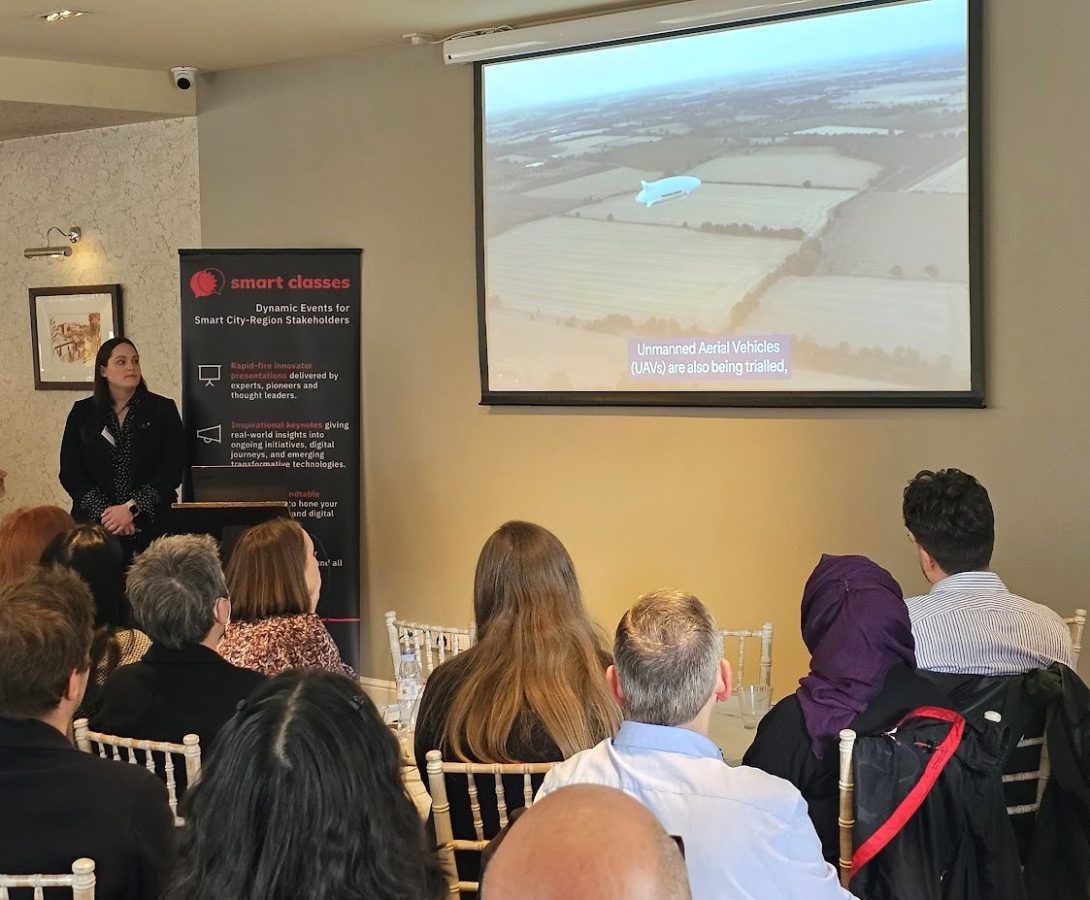
The Highlands and Islands Transport Partnership (HITRANS) is the statutory regional transport partnership covering the Western Isles, Orkney, Highland, Moray and most of the Argyll and Bute area. The Sustainable Aviation Test Environment (SATE) programme, led by HITRANS, aspires to become the UK’s Centre of Excellence for Sustainable Regional Aviation.
SATE Manager, Jayne Golding, joined us at TRANSPORT Smart Class, Scotland 2024 to highlight the transport challenges and opportunities faced by Scotland’s largest RTP, and explore how emerging sustainable aviation technologies can aid connectivity across the region.
Her keynote also delved into the different strands of sustainable aviation that SATE is focusing on, and explained how each is bringing new opportunities to the Highlands & Islands and supporting the region’s goal of net zero aviation by 2045.
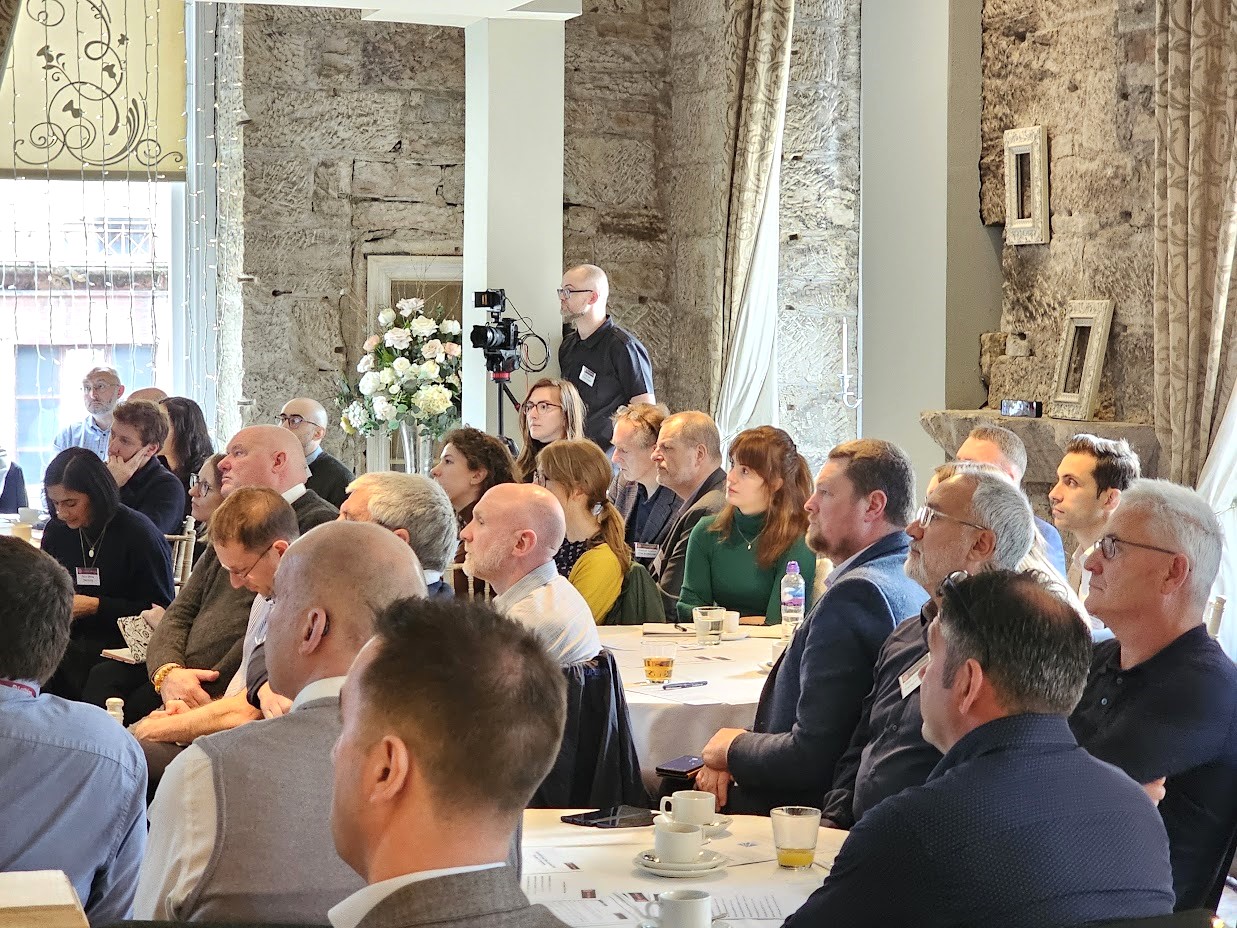
Presentation summary notes:
- SATE is the UK’s first operationally based low-carbon aviation test centre, based at Kirkwall Airport on Orkney;
- SATE Phase 1 (November 2020 – SATE established)…
- Construction of a new SATE testing facility at Kirkwall Airport; Feasibility studies on electric and hydrogen demand & supply, and low carbon surface access; Successful flight trials, including: Ampaire – First hybrid-electric flight in Scotland; Windracers – Longest beyond visual line of sight (BVLOS) flight in the UK through Kirkwall & Shetland operations;
- SATE Phase 2 (Kicked off in July 2022)…
- Focusing on various strands of sustainable aviation – Trialling and showcasing emerging aviation technologies, matched against real-world use cases and potential scenarios for the region; Developing into a regional asset for the Highlands & Islands;
- HITRANS Region…
- Largest of 7 Regional Transport Partnerships; Almost 50% of Scotland’s land mass but less than 10% population; Role to improve transport services & infrastructure; Brings together Local Authorities & key stakeholders to take a strategic approach to transport in the area; HITRANS region – 38,500 km2/population of 500k; By comparison, Netherlands – 41,500km2/population of 17 million;
- RTS Themes…
- Connecting our communities; Enhancing public transport connectivity; Improving the integration, quality of and access to public and shared transport; Providing connectivity that supports island and peninsular communities; Improving efficiency of transport networks and supply chains; Improving the safety, reliability and resilience of road & rail networks; Facilitating sustainable visitor demand; Decarbonising transport; Embracing new technologies; Reducing the cost of travel;
- SATE Opportunities…
- Strengthen islands connectivity through sustainable (environmentally & economically) fit-for-purpose technologies; Introduce technology that can be incorporated into the Highlands and Islands transport network (2-6 years); Deliver concepts of operations to validate technical and economic feasibility; Understand the cost of related infrastructure investment comparable with other modes of transport; Support the enabling pillars of future fuels, infrastructure and skills development; A blueprint of net zero aviation region by 2040 and make an increased contribution to economic and social development;
- Sustainable Aviation Technology Strands…
- Regional – Low or Zero Emission Passenger Aircraft (Hydrogen Electric & Hybrid Electric): Payload/Passenger Capacity – 30-50 seats; Range – 200+ nautical miles; In Service By – 2028+; Core Use Cases – Regional movement of passengers/Connections to Central Belt plus increased connectivity between major airports;
- Sub-Regional – Low or Zero Emission Passenger Aircraft (Hydrogen Electric & Hybrid Electric): Payload/Passenger Capacity – 9-19 seats; Range – Up to 200 nautical miles; In Service By – 2026+; Core Use Cases – Inter-Island & sub-regional movement of passengers/Lower costs drive lower fares – promote Regional Air Mobility Systems; World’s first zero emission commercial air service – Orkney 2027?
- Hybrid Air Vehicles – Payload/Passenger Capacity – 10-80 tons/100-130 passengers; Range – 2,000 nautical miles; In Service By – 2027+; Core Use Cases – Heavy cargo transportation/Tourism applications/Large no. pax carrying capability; Airlander – Rethinking the skies; September 2023 – Airlander feasibility study for the Highlands & Islands of Scotland;
- Advanced Air Mobility (Electric vertical or short take-off and landing): Payload/Passenger Capacity – 4-6 seats; Range – 100-200 nautical miles; In Service By – 2027+; Core Use Cases – New class of aircraft – air taxi/short sub-regional and urban flights/Emergency, offshore & tourism/Mobility-as-a-Service (MaaS) applications;
- Heavy Lift Drones (Conventional and vertical take-off and landing): Payload/Passenger Capacity – 100-300 kg; Range – 350-500 nautical miles; In Service By – 2025+; Core Use Cases – Logistics & mail deliveries/Firefighting, surveillance & monitoring/Detect, Drop & Deliver;
- Autonomous and cargo drone deployment in Antarctica, UAE, Cornwall, Orkney (Kirkwall-North Ronaldsay), Isle of Wight etc;
- SATE Partners – Orkney Islands Council, Highlands and Islands Airports, HIE, Cranfield Aerospace Solutions, EMEC, Hybrid Air Vehicles, Flare Bright, HITRANS, Connected Places Catapult, UHI, Arcadis, Windracers, Cormorant, ARC Aero Systems, Loganair
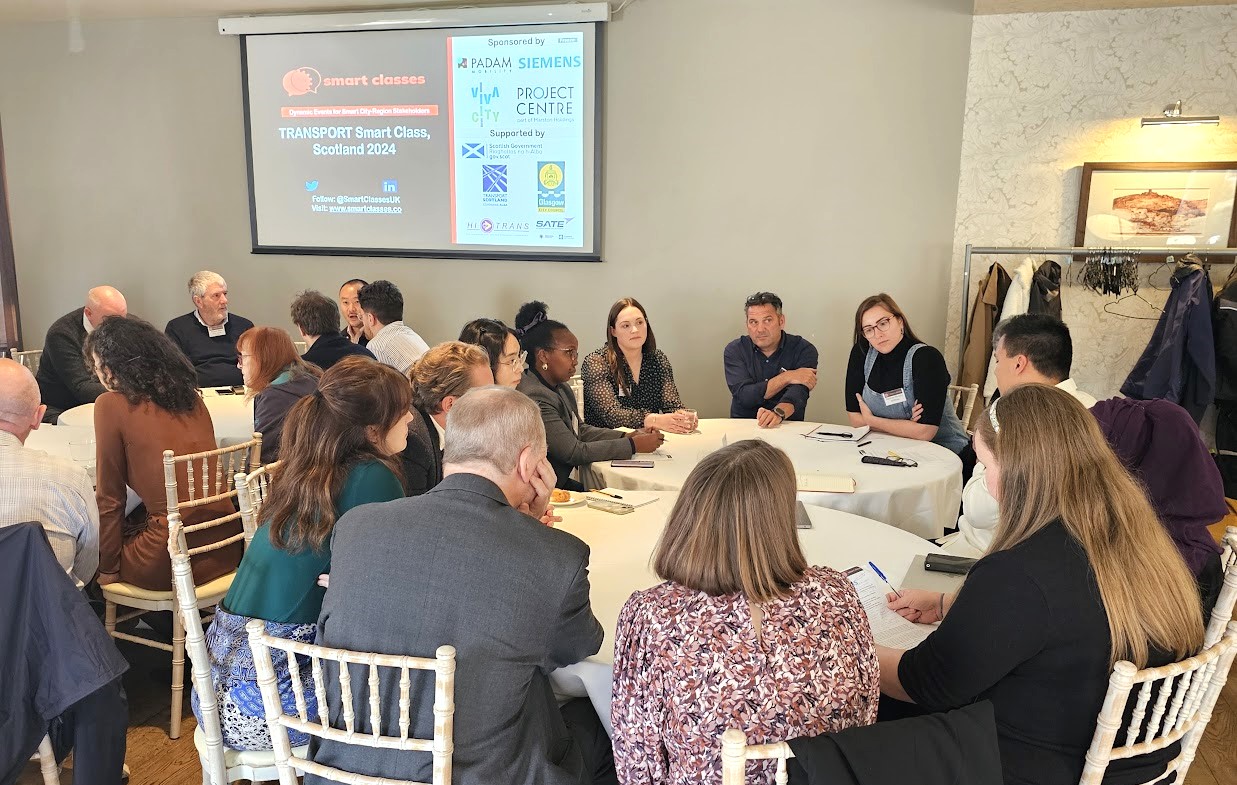
If you satisfy our regular delegate qualification criteria but were unable to join us in Glasgow on September 12th for the live in-person event at Citation, CLICK HERE and complete the short “Download form” (located at the bottom of the post) to receive a unique link enabling free access to the presentation video recordings and slides (including the film footage and slides from Jayne’s keynote).
Those qualifying to receive the rich presentation content from this event include commissioning, procurement, trialling, partnering and policy leads, senior influencers, strategic decision makers, programme managers and planners from local authorities (e.g. city, borough, metropolitan, district and county councils); public transport operators; regional transport partnerships, sub-regional transport bodies, combined authorities, integrated transport authorities and passenger transport executives; highways authorities and road operators; government and supporting national transport agencies; non-governmental organisations; fleet operators, parking operators, prime contractors etc.


