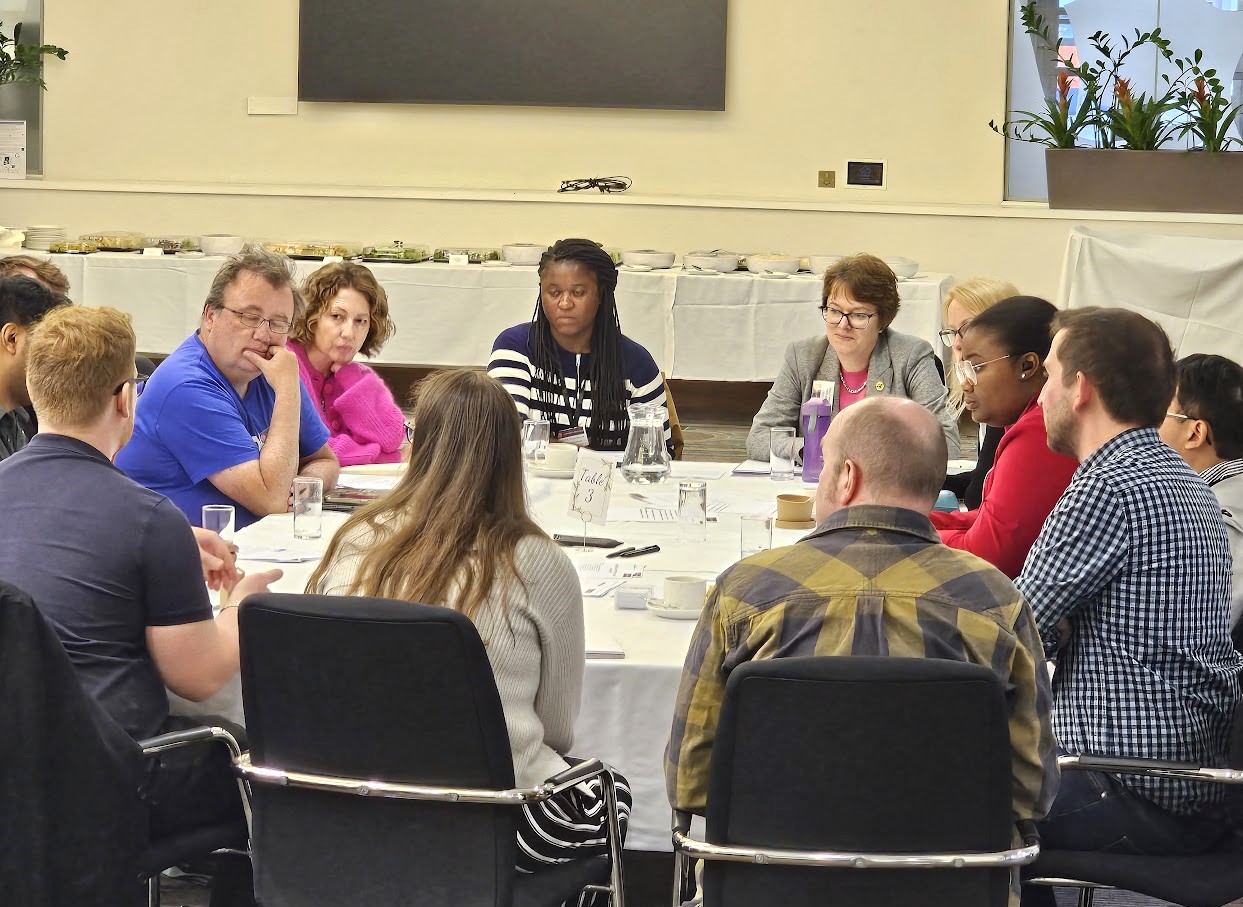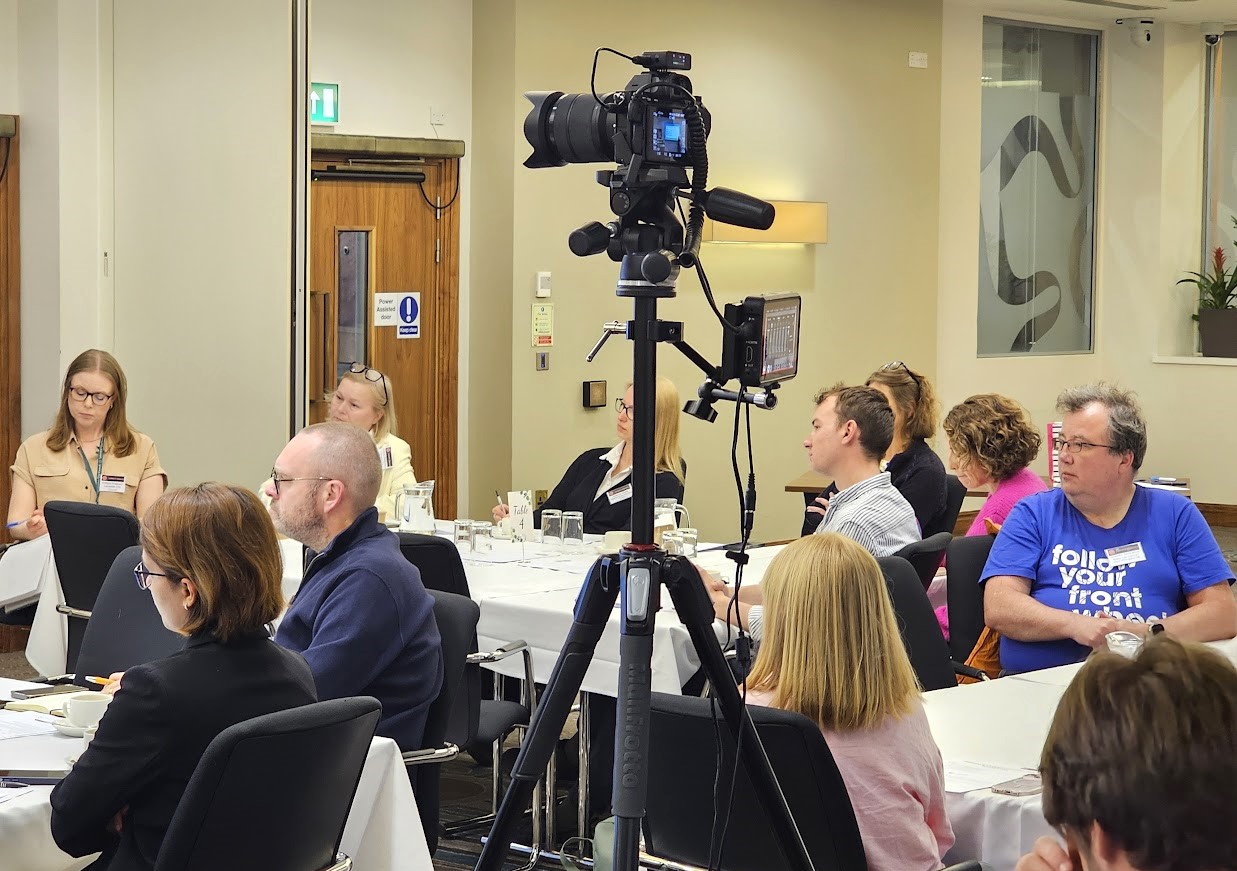
On May 8th we hosted EMISSIONS & AIR QUALITY Smart Class 2025 at City Hall, Leicester. This Smart Class provided a fresh take on how to deploy the latest digital technology-enabled solutions, data-driven strategies, policies, programmes and best practices to improve urban air quality and drive down emissions and air pollution in our cities and regions.
As usual, our videographer captured the keynotes and innovator presentations on film for additional stakeholders to enjoy post-event!
If you meet our regular delegate qualification criteria but were unable to join us on the day, just complete the “Download form” at the bottom of this page and we’ll give you complimentary access to the presentation video recordings and slides.
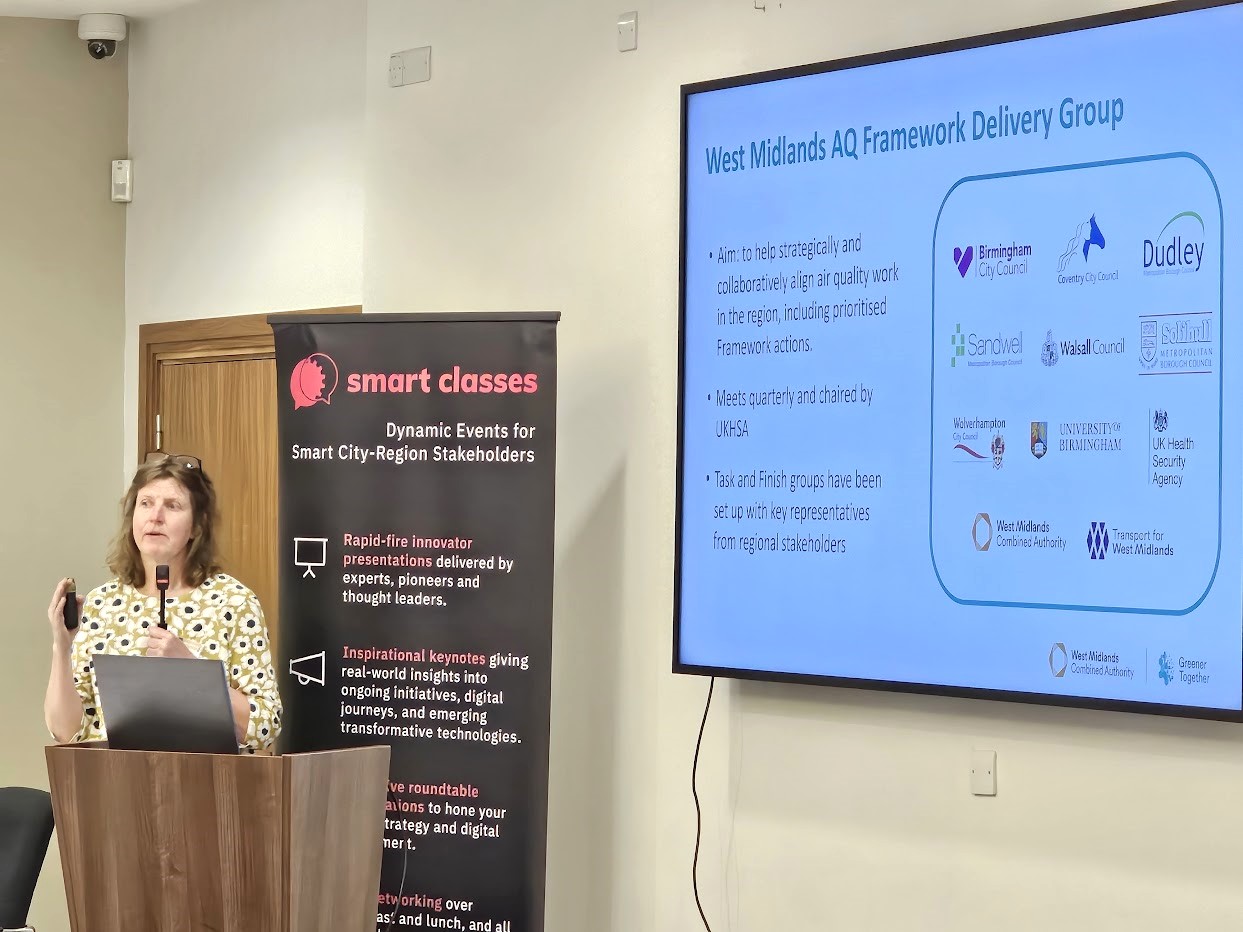
Our inspirational speakers included:
- Jackie Homan, Head of Environment at West Midlands Combined Authority (WMCA);
- Megan Black, Transport for Greater Manchester’s (TfGM) Head of Logistics & Environment;
- Ann Carruthers, Director of Environment and Transport at Leicestershire County Council, President of ADEPT, and Chair of MHA+; alongside Ben Simm, Leicestershire County Council’s Team Manager for Transport Strategy & Policy;
- Principal Consultant, Giles Lipscombe and Transport Consultant, Louise Twining from ITP, a company of Royal HaskoningDHV;
- Tim Bevington, Principal Air Quality Consultant at Ricardo plc;
- Lilli Helps, CENTA PhD Researcher at the University of Leicester’s Earth Observation Science Research Group.
The Smart Class also featured thought provoking Q&As and engaging roundtable sessions hosted by expert innovator teams from ITP, Ricardo and University of Leicester. Further networking was facilitated over breakfast, drinks and lunch. Additional thanks to our lunch networking sponsor, Green Valley Group!
There was invaluable delegate input into these discussions on behalf of key stakeholders such as Active Together, ADEPT (Association of Directors of Environment, Economy, Planning & Transport), Birmingham City Council, Bristol City Council, Bureau Veritas, Cundall, Hive Home – British Gas, Integrated Transport Planning (ITP), Leicester City Council, Leicestershire County Council, Midlands Highway Alliance Plus (MHA+), London Borough of Merton, Nottingham City Council, Nottingham Trent University, Oxford City Council, Project Centre, Ricardo, Royal Borough of Kensington & Chelsea, Transport for Greater Manchester (TfGM), University of Leicester, West Midlands Combined Authority (WMCA), West of England Combined Authority (WECA), West Northamptonshire Council, and more!
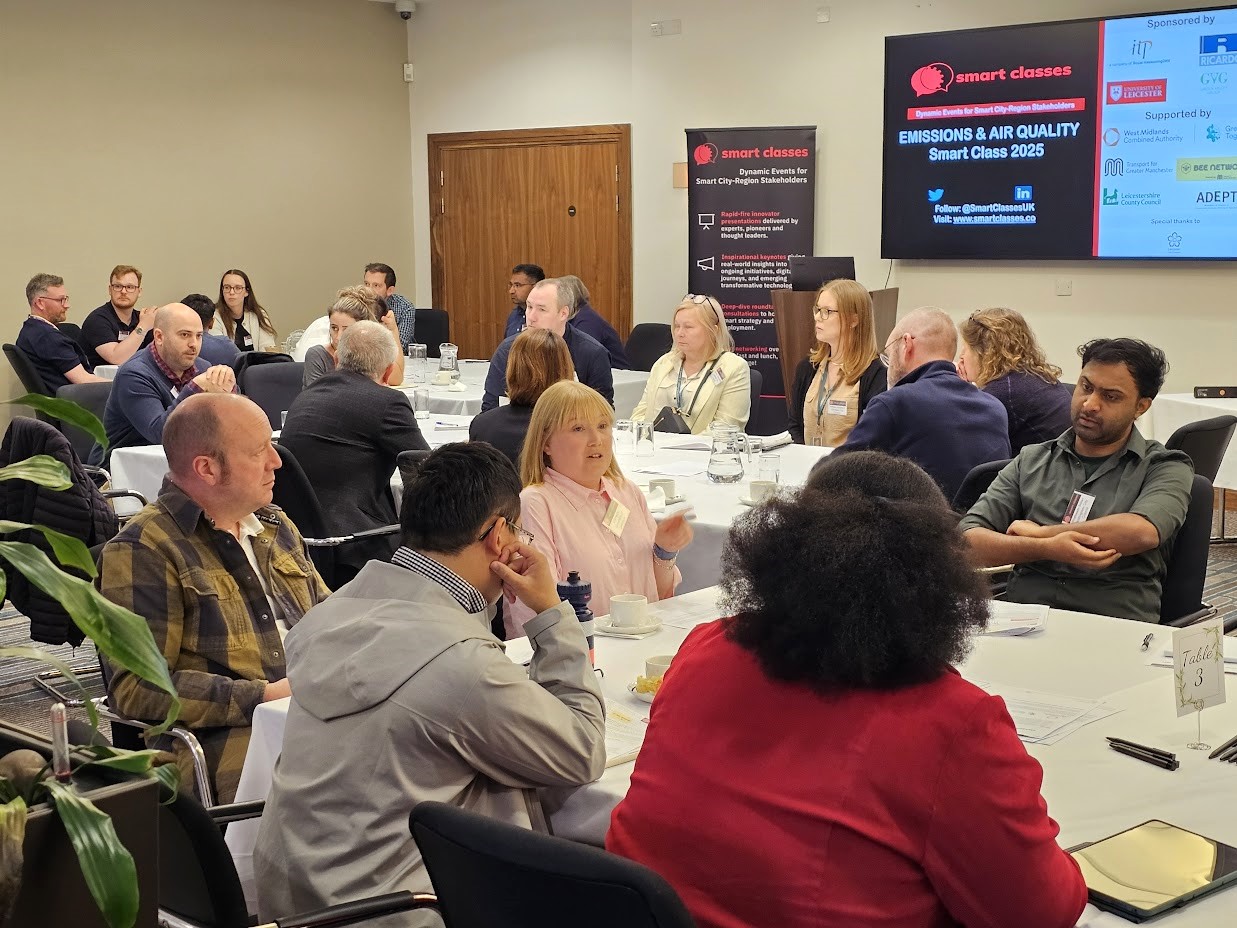
Topic highlights included:
- Creating a shared purpose to tackle air quality;
- WMCA environment programme overview and environment team strategies and plans;
- Air quality within the West Midlands – ‘Health of the Region’ report; Inequality of exposure; Road transport vs domestic combustion contributions, WM-Air early death estimates;
- WMCA air quality priorities and delivering the West Midlands Air Quality Framework;
- The West Midlands region wide sensor network;
- Behaviour change trials in Coventry, Sandwell, Wolverhampton, Walsall, Birmingham, Solihull and Dudley;
- Supporting West Midlands policy makers with a programme of air quality and carbon literacy;
- What’s next for West Midlands air quality? e.g. Working with Defra, additional funding, scaling behaviour change projects, ensuring reliable data, building air quality into community projects etc;
- The need to decarbonise transport;
- Domestic GHG emissions sector breakdown – Transport, Energy Supply, Business, Residential, Agriculture, Waste etc;
- What is behaviour change and how can innovative travel planning initiatives successfully promote behaviour change and a shift to more sustainable options?
- Why are co-design and comprehensive outreach key to achieving impactful results, how much CO2 can be saved and what is the public sector relevance? TripSwitch insights from Nottinghamshire, East Midlands Gateway, and Edgbaston Stadium;
- Carbon calculator – How to calculate greenhouse gas and air pollution savings to demonstrate your progress in reducing environmental impacts;
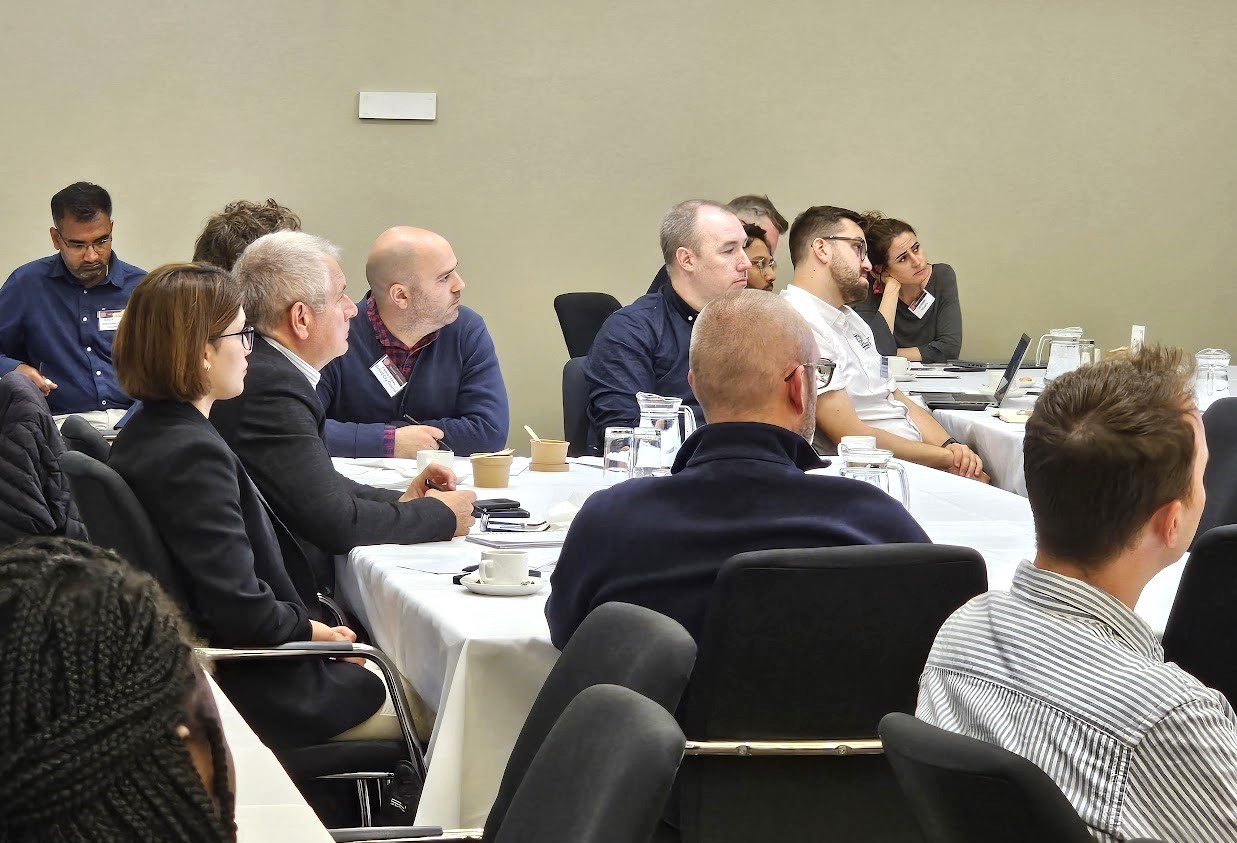
- Enabling local authorities across Greater Manchester to monitor the contribution to air pollution from wood burning stoves, raise public awareness of its risks, and reduce its impact on people’s health;
- Monitoring PM2.5, PM10, NO2, NO, CO, O3 and CO2;
- Why is an understanding of data quality and uncertainty required to enable evaluation of air pollution interventions?
- Evidencing winter behaviour change marketing campaigns aimed at reducing emissions from domestic burning, with low-cost sensor networks;
- LCS QA/QC methodology – Co-location correction scaling, regional scaling, and data ratification;
- Manchester Piccadilly – Ongoing sensor co-location case study;
- How are transport initiatives and strategies improving air quality in Greater Manchester?
- TfGM air quality responsibilities and coordination of AQ work across GM;
- Building the Bee Network, GM Transport Strategy 2040, Local Transport Plan vision, and Greater Manchester 5-year Environment Plan 2025-2030;
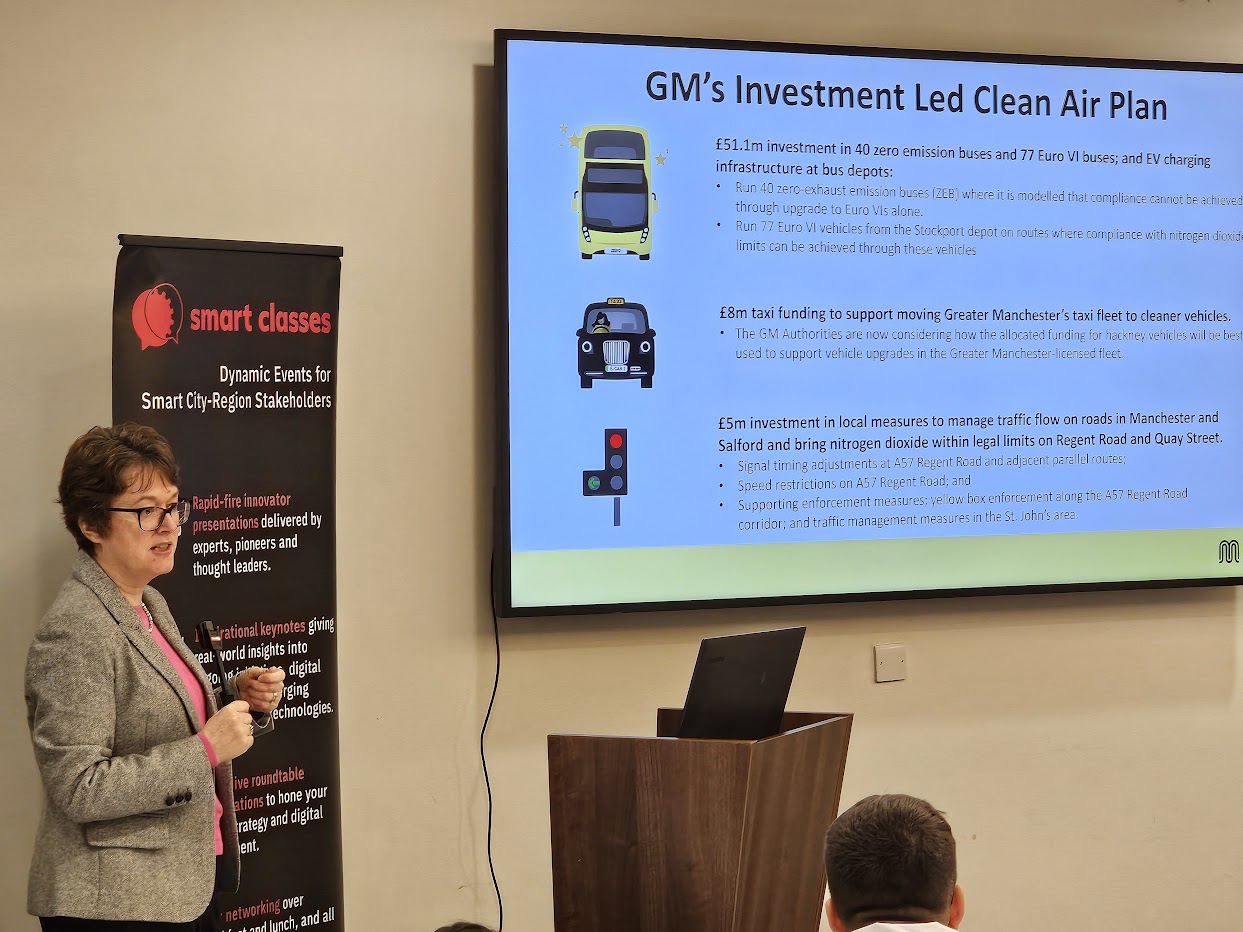
- Air Quality Action Plan (AQAP) and GM’s recently approved Investment Led Clean Air Plan;
- GM’s EV and charging infrastructure, ZEBs, monitoring electric travel and zero emission journey planner;
- Local traffic management, active travel mission and the Bee Network’s future proofed greener future;
- Clean Air GM website and data hub – Diffusion tube data, monitoring reports, automatic monitoring stations data, air quality forecast & alerts;
- Using machine learning to quantify air quality improvements from transport interventions;
- Air pollution from vehicle traffic – Brake and tyre wear, resuspension of road dust and tailpipe emissions, measured by AURN;
- Coinciding peaks in transport nitrogen dioxide concentrations;
- ‘Reduce (emissions), Extend (distance from people and sources), Protect (the most vulnerable)’;
- Effective modelling – Measuring the right parameters, tuning hyperparameters, emulating what concentrations would have been if there was no intervention, and calculating the difference between this modelled concentration and measurements made after the intervention;
- Case study – Inside and outside Birmingham’s CAZ;
- Clean air, healthy lives – The role of transport policy and Leicestershire’s new Local Transport Plan to empower transport as an enabler, and improve air quality to better the environment and the health and well-being of communities;
- The relationship between transport and health and key challenges faced by 2043;
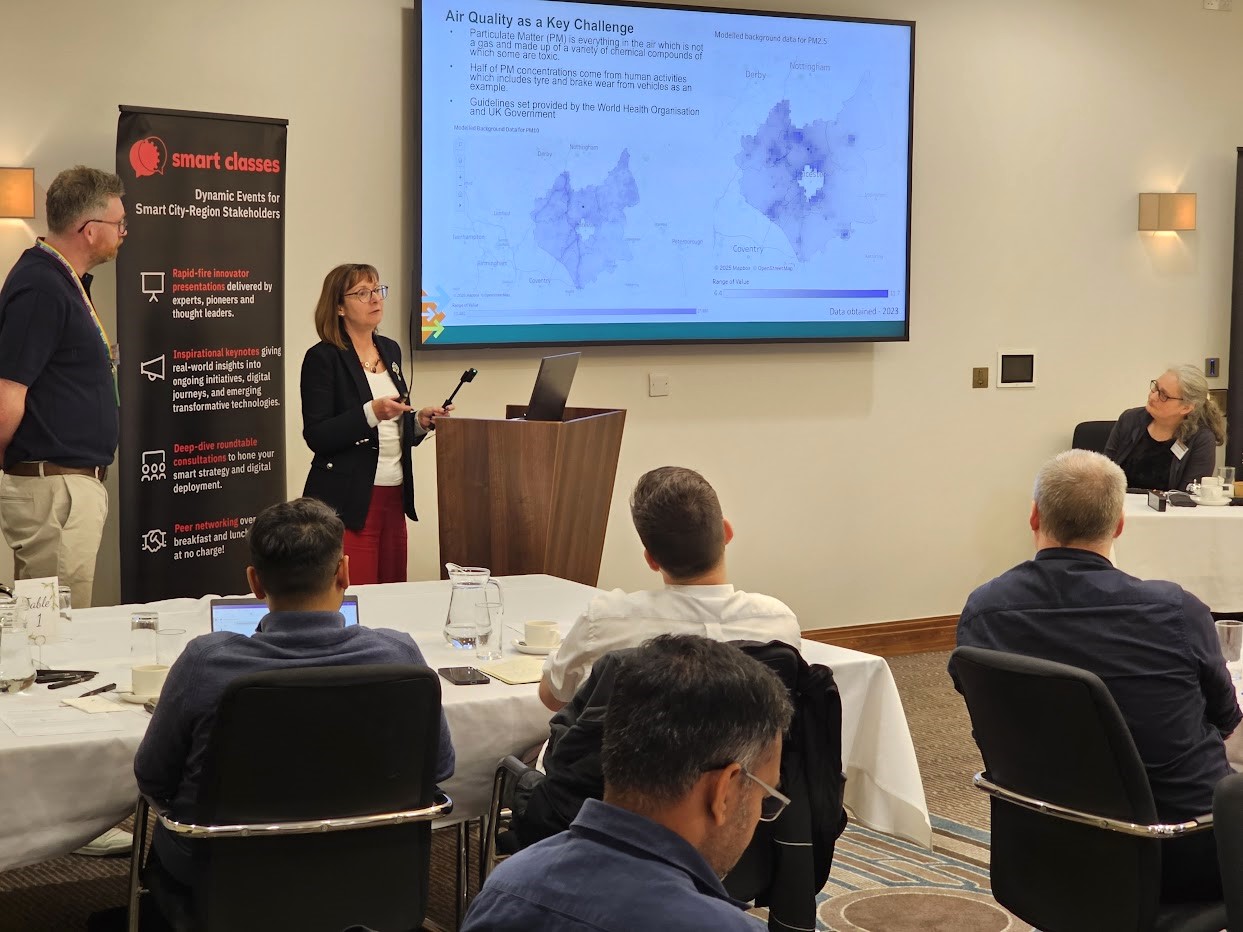
- Air quality as a key challenge – Sources of air pollution (Public Health England), how air pollution affects people throughout their lifetime, and air quality in Leicestershire;
- Tackling the challenges through policy – Core principles and collaborative working;
- LTP4 development – Use of data, health impact assessment, vision and core themes, supporting core policies;
- Additional activities to improve air quality across Leicestershire – e.g. working with districts 7 boroughs to implement and manage AQMAs; delivering on BSIP and local cycling and walking improvement plans; working with National Highways, Network Rail & Midlands Connect to mitigate impact on AQ; Fox network; Stakeholder collaboration through Air Quality Partnership etc
Those qualifying to receive the presentation videos and rich media content from this event include:
Commissioning, procurement, trialling, partnering, policy and programme leads, senior influencers, strategic decision makers, environmental managers, climate/sustainability/transport/public health officers and planners from local authorities (e.g. city, borough, metropolitan, district and county councils); public and private transport operators/service providers; sub-regional transport bodies, combined authorities, integrated transport authorities and passenger transport executives; freight and logistics operators; airports and port operators; vehicle manufacturers; energy providers; potential partners from industry (e.g. retail, construction, manufacturing and waste management sectors) and healthcare; DfT, Defra, EA, BEIS, DHSC, UKHSA and other and supporting national agencies; prime contractors; academia etc.
Register your details via the “Download form” below to receive a unique link enabling complimentary access!