
What makes a city truly smart — its technology, or its people?
In recent years, we’ve witnessed remarkable advances in the digital infrastructure of cities. From intelligent traffic systems to AI-powered services, the urban landscape is evolving faster than ever. Yet amid all the data dashboards and connected devices, one essential element risks being overlooked: the role of the individual.
Smart cities have long treated people as recipients of streamlined services and beneficiaries of innovation. But as we look toward more human-centred urban development, it’s time we shift our mindset. Individuals must be seen not just as users of the city, but as participants in shaping it.
The passive user model: why it’s no longer enough
Early smart city strategies focused heavily on efficiency automating services, digitising interactions, and minimising friction. Citizens were treated as end-users: their data collected, their patterns analysed, and their experiences optimised.
While this model brought undeniable benefits in speed and convenience, it also created distance. Engagement became transactional. The citizen became a silent node in a system rather than a voice in shaping it.
The rise of the digital participant
True transformation begins when individuals are seen not as consumers of solutions, but as contributors to them. Participation in smart cities means involving residents in co-creating services, shaping priorities, and even allocating resources.
Cities like Barcelona have pioneered this shift with platforms like Decidim, allowing citizens to debate and vote on public projects. In Helsinki, the OmaStadi participatory budgeting program gives people direct influence over how millions in city funds are spent. These aren’t symbolic gestures they’re structural shifts in how governance is shared.
Participation fosters trust, ownership, and innovation. It transforms a city from something we live in, to something we build together.
Tools that empower participation
So how do we move from vision to reality? Several tools are enabling this transition globally:
- Open digital platforms that invite ideas and feedback.
- Participatory budgeting portals that shift budget decisions closer to communities.
- Gamified apps like Oslo’s Traffic Agent, where schoolchildren report road safety concerns.
- Urban innovation challenges, where residents propose and test real solutions.
These tools work best when they are inclusive, transparent, and accessible — designed not just for tech-savvy citizens, but for everyone.
From tokenism to true inclusion
Participation isn’t a checkbox it’s a mindset. Cities must avoid symbolic or surface-level involvement that fails to translate into real outcomes.
That means building trust through transparent processes, providing feedback loops, and ensuring that every contribution has a path to impact. It also requires addressing digital inclusion ensuring equitable access to the tools and platforms that enable engagement.
After all, a city that invites participation but excludes access, ultimately creates more distance than connection.
The UAE context – a culture of engagement
In the UAE, 2025 has been declared the Year of the Community a powerful reminder that development is not just about infrastructure, but inclusion.
Across various national strategies, from digital transformation to sustainability, the message is clear: the human must be at the centre. Cities like Dubai and Abu Dhabi have launched open data initiatives, citizen innovation labs, and smart services platforms laying the foundation for greater civic involvement.
As we look ahead, embedding participation as a principle not a feature will define the next chapter of smart city development.
Conclusion – participation as the future of smart cities
The smart cities of the future won’t be defined solely by their technologies, but by their cultures of inclusion, collaboration, and shared ownership.
When individuals are empowered not just to use services, but to shape them, the city becomes more than a place it becomes a platform for belonging.
So let me leave you with a question: What would it look like if every resident helped design their own city experience? Let’s start imagining and building that city together.
“The future of cities will not be built by technology alone… but through dialogue and participation”.
Aisha Thani Al Falasi is a Senior Technology Projects Incubation Officer at the Telecommunications and Digital Government Regulatory Authority (TDRA) in the UAE
Article originally published on LinkedIn on 3rd June 2025 as part of the “Smart Details from the Heart of the City” series
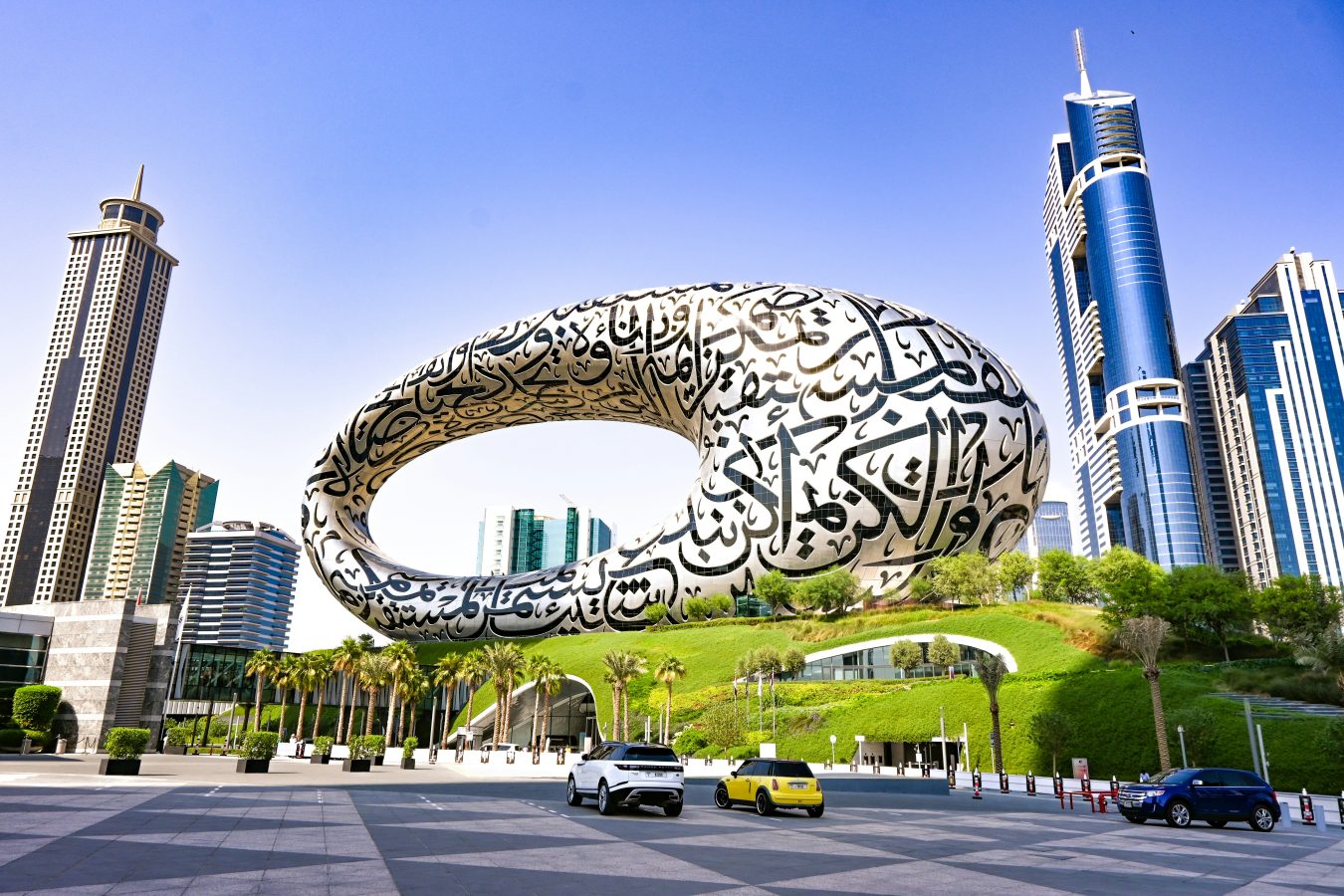
Feature Image: Museum of The Future – Sheikh Zayed Road – Dubai – United Arab Emirates – Ondrej Bocek on Unsplash