
Sustrans’ walking and cycling schemes, and delivery of low traffic neighbourhoods, healthy streets, and schools and workplace initiatives, are playing a key role in the creation of more liveable towns, cities and places.
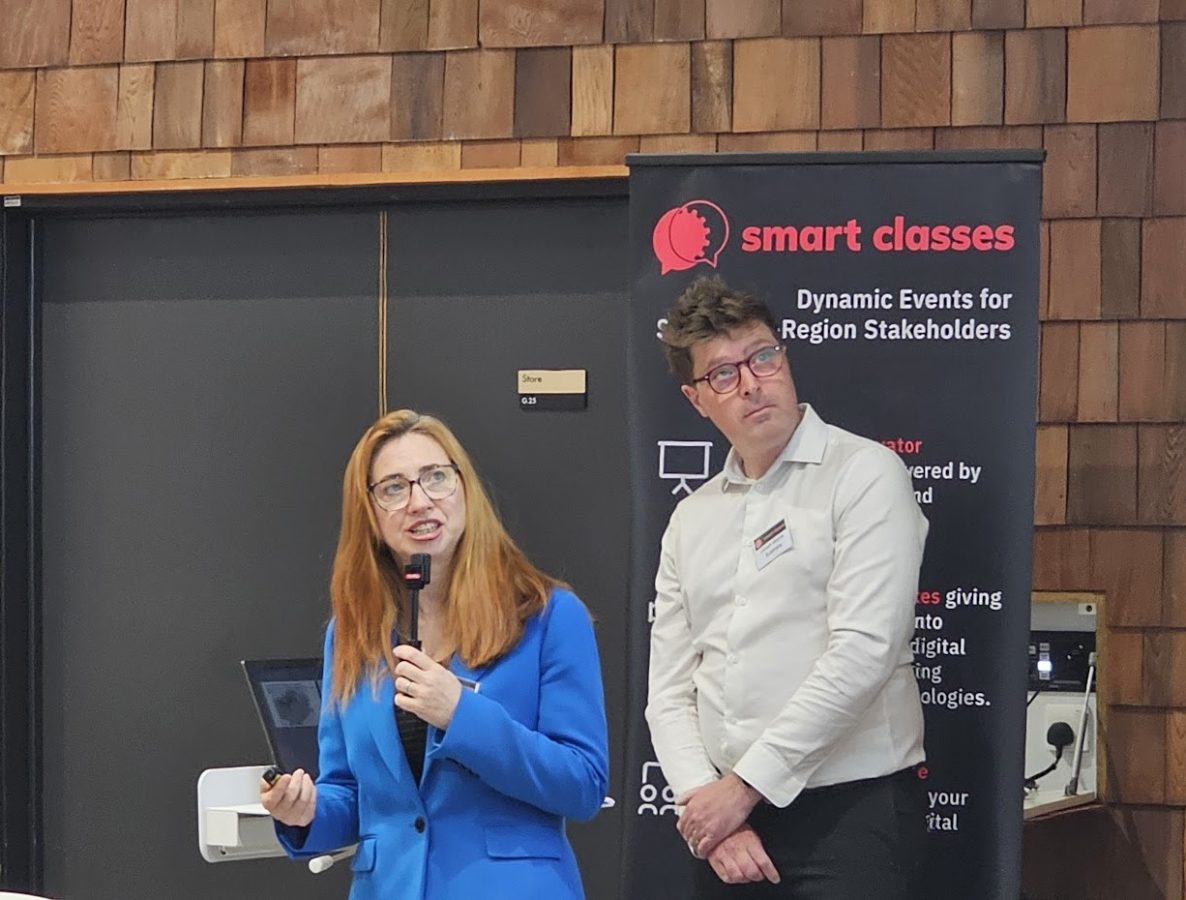
Rosslyn Colderley is Sustrans’ England Director for the North and is passionate about connecting people to landscapes, to each other and to their communities. Her team – including Jonah Morris, Partnerships Manager for the North East and Cumbria – look after hundreds of miles of cycleways, bridleways and footpaths, deliver life changing programmes and advocate for the choice to travel by foot, bike or public transport for everyday journeys.
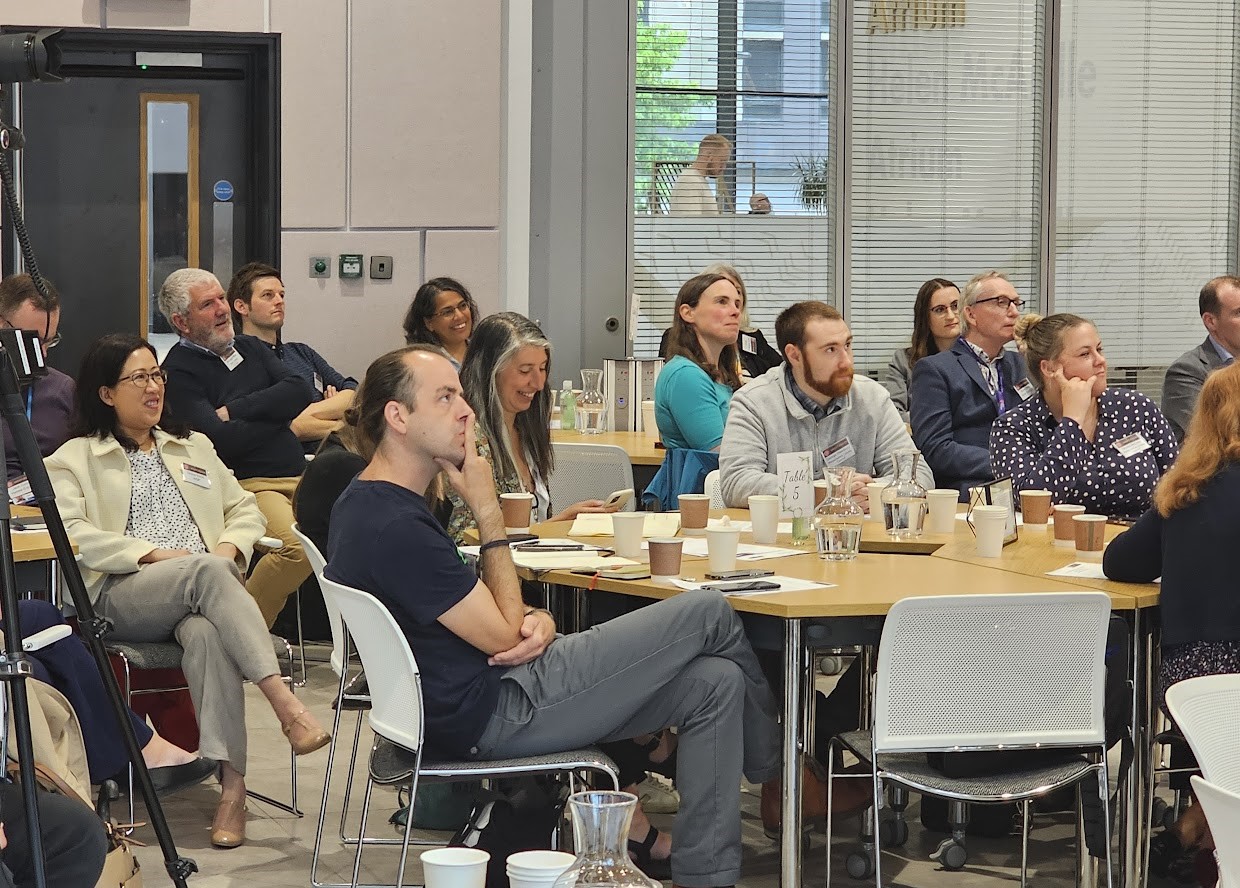
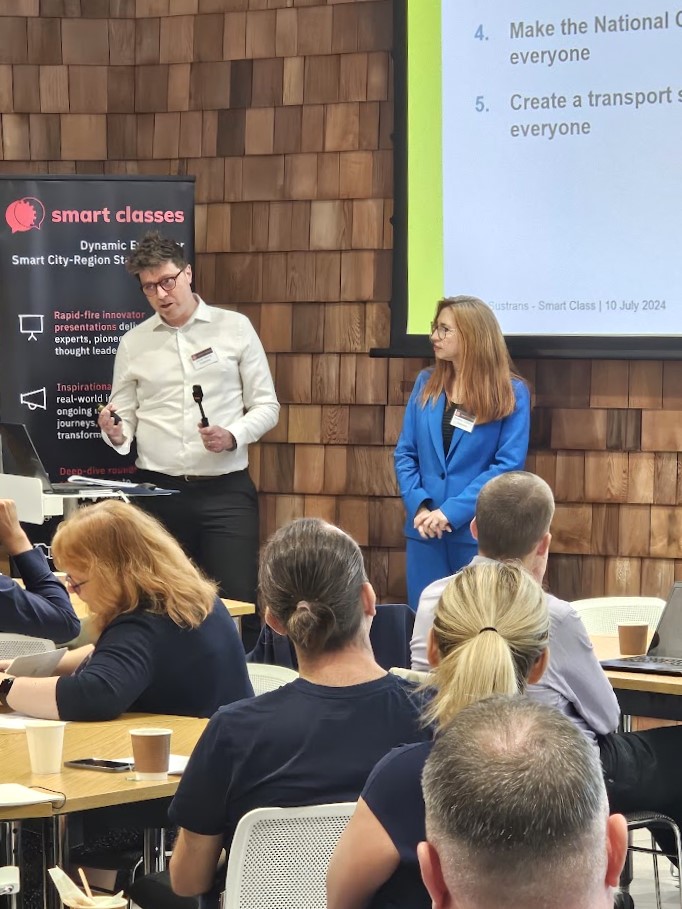
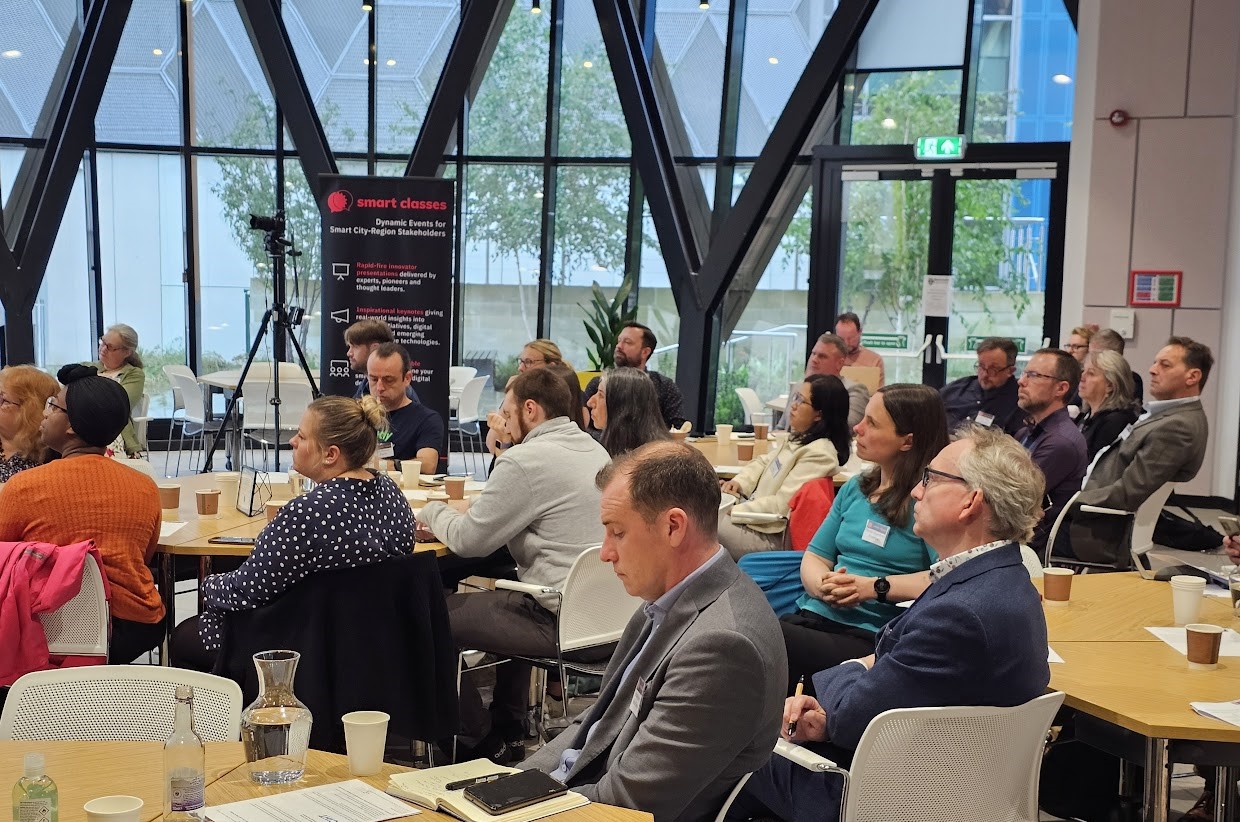
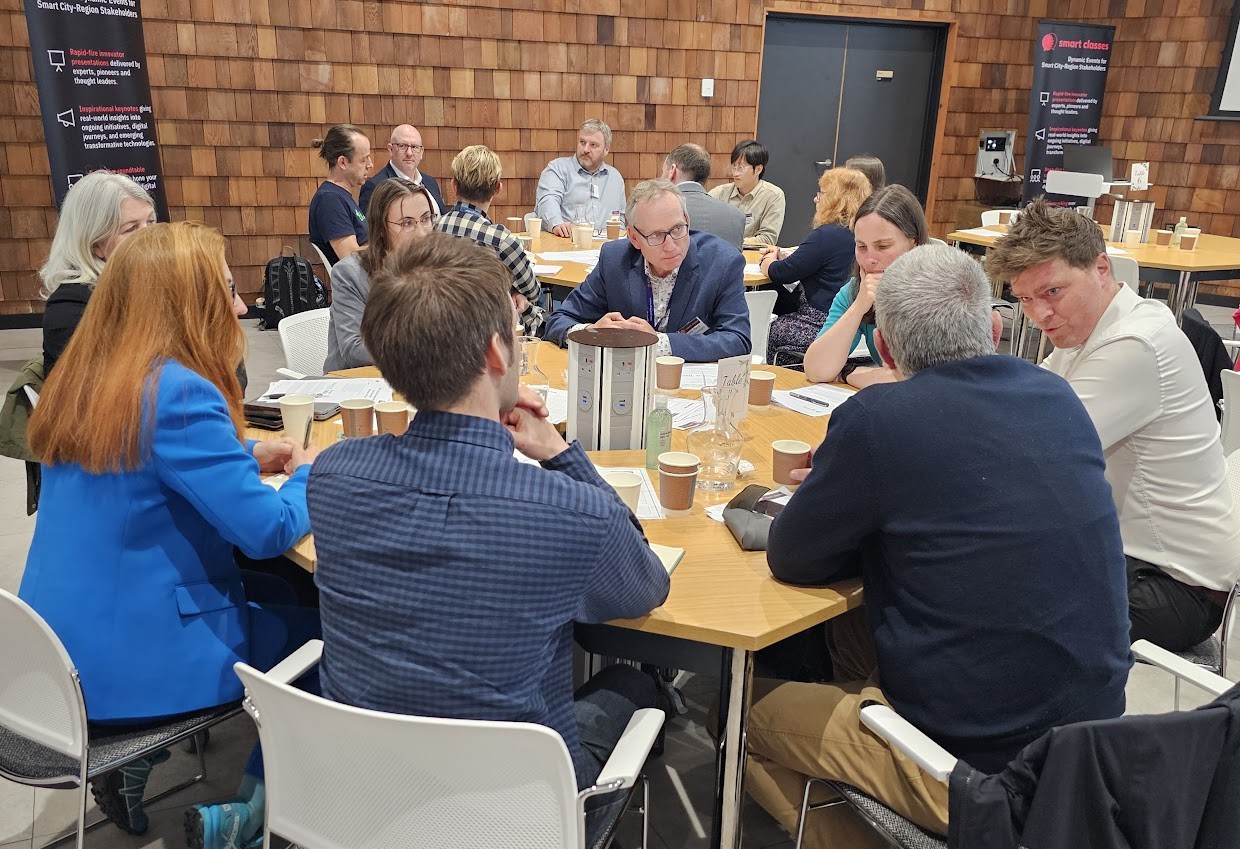
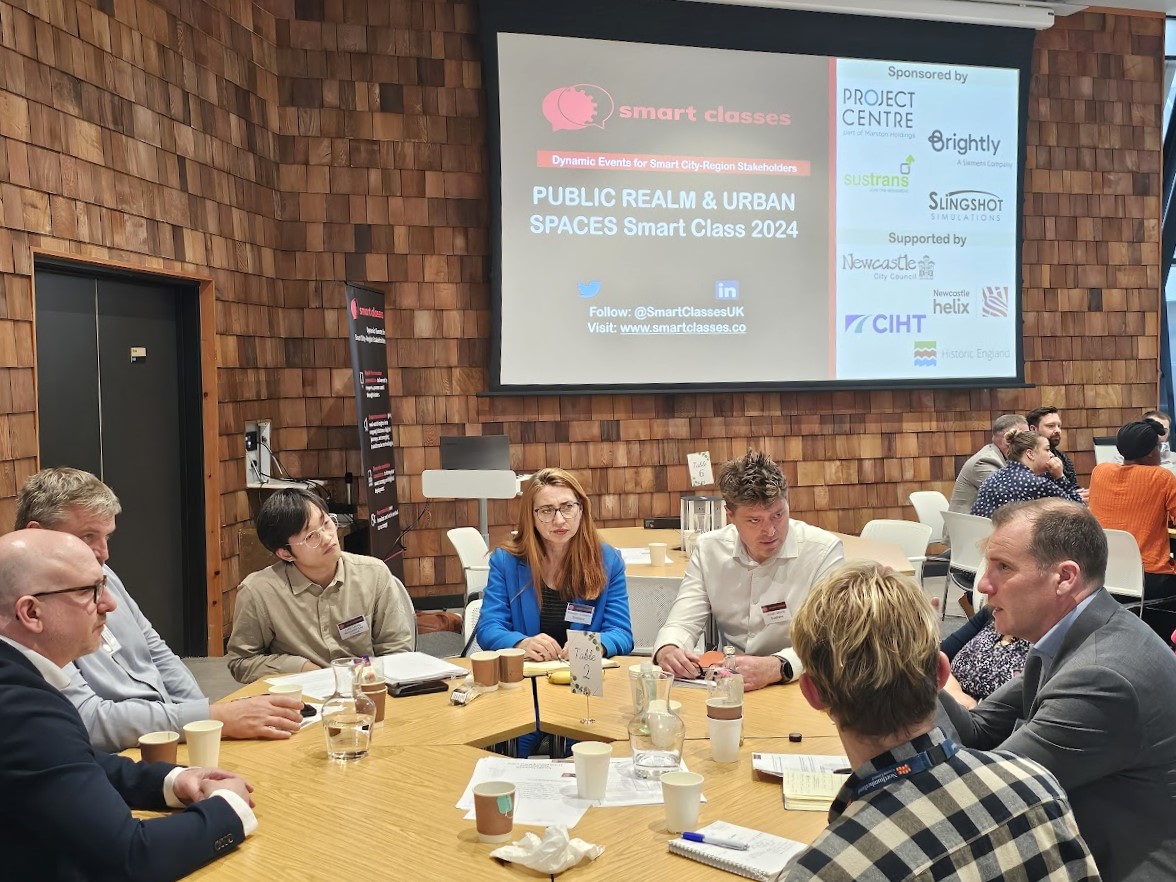
With a particular focus on the Sustrans Walking and Cycling Index (WACI) and Disabled Citizens Inquiry, Rosslyn and Jonah’s joint presentation at PUBLIC REALM & URBAN SPACES Smart Class 2024 demonstrated how the use of data and co-design can help win the case for change in urban active travel projects. They subsequently hosted deeper dive roundtable discussions with all delegates in attendance.
Presentation highlights:
- Sustrans’ mission and vision – “We make it easier for everyone to walk and cycle”/”A society where the way we travel creates healthier places and happier lives for everyone”;
- A liveable city or town for everyone – Has social connection at its heart; Has most of what you need just a short walk away; Has roots and celebrates its unique character; Is easy for everyone to move around in healthily; Has clean air and green space for all to live and play in;
- Liveable Cities and Towns for Everyone – Hubs; Liveable Neighbourhoods; School Streets; Schools Neighbourhoods; LTN1/20 Training;
- Paths for Everyone – Custodian of the National Cycle Network; Working to ensure the Network is accessible to everyone; Providing convenient choices for everyday journeys; Working with ATE (Active Travel England) and Authorities on LCWIP’s and urban projects; Developing routes from concept. through design and feasibility to delivery;
- Five steps to improve our neighbourhoods, health and the economy – 1) Make our streets safe for children 2) Give everyone access to a bike 3) Build developments where all the essentials are close by 4) Make the National Cycle Network work for everyone 5) Create a transport strategy that works for everyone;
- What is the Walking and Cycling Index?
- WACI (formerly known as ‘Bike Life’) is the biggest assessment of walking, wheeling and cycling in urban areas in the UK and Ireland; Survey of 21,374 residents aged 16 or above in the eighteen UK Index cities; Approx 1,100 in each city/urban region; Three areas in the North – Greater Manchester, Liverpool City Region and Tyneside;
- Why is it important?
- Little data locally about active travel; It helps places to understand residents; It gives people, especially disadvantaged groups, a voice in how their area is designed; It supports places to secure investment and deliver change; It can measure and track progress, transparently bring the community with you;
- What’s in the Index?
- City data to help understand infrastructure provision – For example, proportion of households within a 400m radius of the following amenities: Food shop, Park or space for recreation, Doctor’s surgery, Primary School, Library, A mix of cultural and leisure venues, Post Office, Bus stop, Railway or other station;
- Behavioural data – e.g. Residents who travel by the following modes five or more more days a week in Index cities: Walking or wheeling, Driving, Public transport, Cycling; Proportion of residents who walk or wheel at least five days a week broken down by Gender and sexuality, Ethnicity, Age, Disability;
- Attitudinal data – e.g. Percentage among Index city residents supporting or opposing: more cycle paths along roads, physically separated from traffic and pedestrians; the creation of more 20-minute neighbourhoods; the creation of more low-traffic neighbourhoods. Percentage agreeing or disagreeing that: increasing space for people socialising, walking, wheeling and cycling on their local high street would improve their local area; banning vehicles parking on the pavement; shifting investment from road building schemes to fund walking, wheeling, cycling and public transport. Percentage who would find more local amenities and services (e.g. shops, doctors surgeries, schools, parks or green spaces, cafes, entertainment venues etc) close to home useful to help them walk or wheel more;
- Benefits data – Sustrans models trips walked, wheeled or cycled and the associated benefits…
- 2023 UK – Every day, walking, wheeling and cycling takes up to 2,300,000 cars off the road. Each year, these journeys: Prevent 21,426 serious long-term health conditions; Create £6.1 billion in economic benefit for individuals and Index cities; Save 420,000 tonnes of greenhouse gas emissions. Walking in Index cities prevents 4,444 early deaths annually and prevents 6,790 hip fractures, 5,054 cases of dementia, 1,914 cases of depression, 1,853 cases of coronary heart disease etc, saving the NHS in Index cities £213.6 million per year (equivalent to the cost of 5.2 million GP appointments). People walking and wheeling more instead of driving improves air quality, saving annually 640,000 kg of NOx and 92,000 kg of particulates;
- Walking and Cycling Index 2023 UK aggregated headlines – Walking is the most common mode of travel; Walking, wheeling and cycling participation is not equal; Not all residents feel safe and welcome in their neighbourhood; Everyone benefits when more people walk, wheel and cycle; Residents want to walk, wheel and cycle more and drive less; Residents want more funding for walking, wheeling, cycling and public transport; Increased funding would help support more liveable neighbourhoods;
- UK messages from 2023 – People want governments to help them walk more; 50% of people in the UK would like to walk more; Only 15% want to drive more, while nearly a quarter of people (24%) want to drive less; Over a third (36%) often use a car as they feel they have no choice; More than half (56%) support shifting investment from road building to funding active travel and public transport – Only 17% oppose this;
- Children’s Index – Giving a greater voice to children; A new UK-wide survey of children aged 6-15; Parent/carer data from the Index UK 2023 data set; Storytelling and case studies; Launching in November;
- All About Cycling? Approach and Reactions;
- School Engagement; Parent Engagement; Pupil Design Workshops; Co-design Workshops; Out and about in the community;
- Learning Points and Successful Scheme Design;
- The Index as an anchor project – The Index provides information about issues and barriers. Sustrans then seeks funding to better understand and change these: The Disabled Citizens Inquiry on walking and wheeling; Transport to Thrive – improving transport for young people; Increasing cycle access for people on a low income or not in employment (Sept 2024); Improving cycle storage for people on a low income or not in employment (Sept 2024); Ensuring disabled representative as places seek to transform mobility (May 2025);
- The need for an inquiry – Disabled people take 38% fewer trips (Motability, 2022), and 30% fewer walking trips (National Travel Survey, 2020); Disabled people face greater barriers to travel; Walking and wheeling is a human right; Social model of disability – people are disabled by barriers in society, not by their impairment or health condition; Government and the Walking and Cycling sector is not representative;
- The Disabled Citizens’ Inquiry – A pan-impairment approach to understand what disabled people need to make walking and wheeling inclusive; Working in partnership with Transport for All; Generously funded by Motability; Mix of qualitative and quantitative research – Walking and Cycling Index > Citizens’ Workshops > Stakeholder workshop > UK-wide survey of disabled people;
- Survey findings – 41% of disabled people frequently experience problems reaching their destination due to accessibility barriers; 59% of respondents have reduced the amount they travel as a result of the cost of living crisis; Disabled women, disabled people of colour and disabled people on low incomes are more likely to face barriers;
- What would help disabled people walk or wheel more? Solutions:
- 1) Involve disabled people in shaping decision making 2) Create a long-term dedicated pavement fund 3) Stop pavement parking and manage pavement clutter 4) Ensure disabled people can live within walking or wheeling distance of services and amenities 5) Improve walking and wheeling crossing points across roads and cycle paths 6) Make wayfinding and journey-planning tools work for disabled people 7) Improve access to mobility aids 8) Improve off-road routes 9) Improve the integration of walking and wheeling with public transport;
- What Sustrans want to see:
- Radically reduced traffic speed and volume; Creation of sociable spaces where people can easily interact; Better connection of people to green and public space; Transport and planning policy that puts people first; Heritage of the places we work in to be valued and enhanced; Cities and towns that are inclusive and safe for all.
If you meet our regular delegate qualification criteria but were unable to join us at The Catalyst, Newcastle, for the live in-person event on July 10th, CLICK HERE and complete the short “Download form” (located at the bottom of the post) to receive a unique link enabling free access to the presentation video recordings and slides (including the film footage and slides from Rosslyn and Jonah’s initial presentation).
Those qualifying to receive the rich presentation content from this event include commissioning, procurement, trialling, partnering and policy leads, senior influencers, strategic decision makers, planners, place makers, architects, green space managers, urban designers, communities & neighbourhoods, highways & street scene, transport & mobility and high streets & regeneration professionals from UK councils and local authorities (city, borough, metropolitan, district, county and combined); people and place partnerships; developers, landowners and creators of privately owned public spaces; prime contractors and city centre management companies; DfT, DEFRA, MHCLG, EA and supporting governmental bodies; transport authorities, highways agencies and public transport operators; civic organisations and community groups; and other key players from the public realm ecosystem with responsibility for managing, maintaining and operating our streets, squares, forecourts, parks, pathways, retail centres, car parks, airports, ports, travel hubs, hospitals, housing estates, campuses, communal gardens and the assets contained within these public or semi-public spaces.


