
Ben Macdonald’s presentation at TRANSPORT Smart Class, Midlands 2026 on behalf of UK-based home EV charging solutions innovator Nodum, featured learnings from deploying a handful of guerrilla installs of non-gully style cross pavement solutions.
With a focus on making EV ownership more accessible for more people, Founder and Managing Director Ben also looked forward to how V2G could help alleviate some of the wider challenges around grid congestion and supply constraints. Key to this is enabling as many people to plug in as often as practicable – especially on those cold miserable winter days!
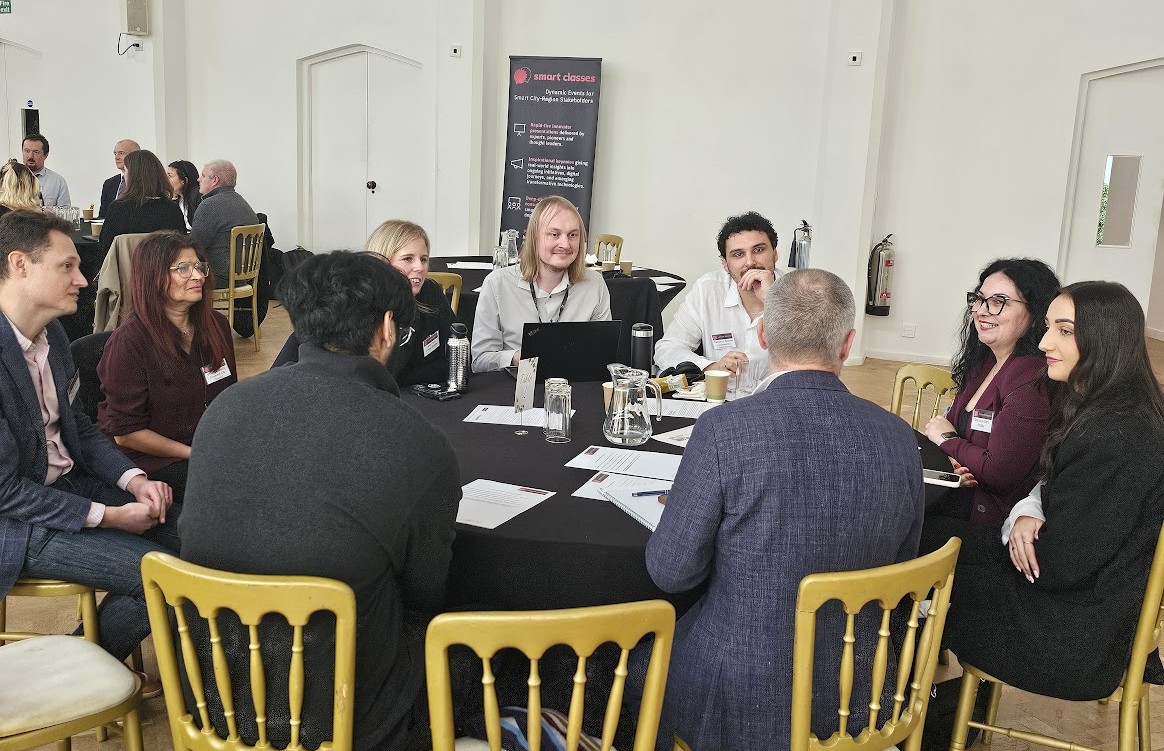
Ben subsequently hosted deeper dive roundtable discussions with all delegates in attendance.
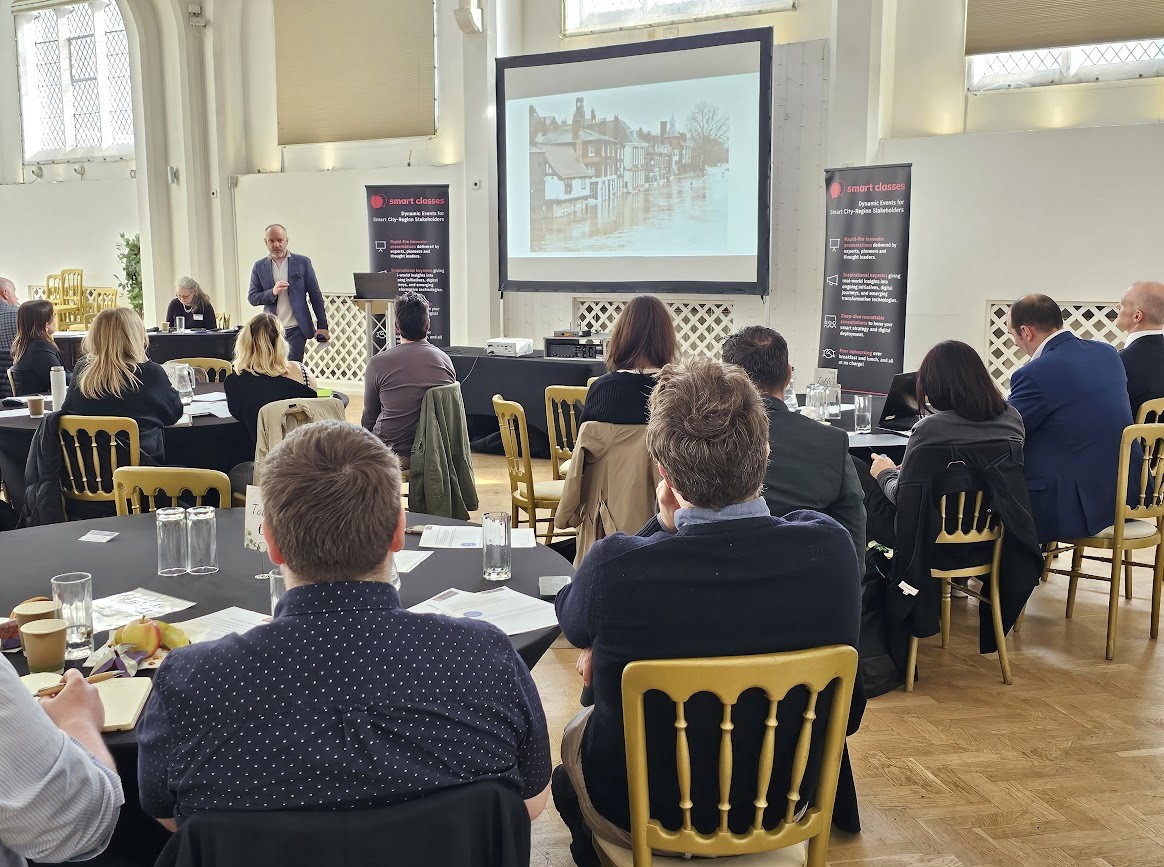
Presentation highlights and notes:
- Origin story of Nodum;
- Purpose of sustainable transport solutions and dealing with the climate crisis;
- Diesel car impacts on air quality – The Liverpool example;
- Widening the Ultra Low Emission Zone (ULEZ) in London – Demonstrating how the local air quality message is really powerful and “in many respects, trumps anything that you try to say about how switching to the electrification of surface transport is going to contribute to 26.5% of all emissions reductions in the next three CBs (2023-2037);
- Climate Change Committee (CCC) analysis of the distribution of emissions reductions during each carbon budget period – Over half of the emissions reduction to meet the first three carbon budgets come in the energy supply sectors. Looking forward, the majority of reductions to meet future carbon budgets will need to come from other sectors. Around half of the reduction during the seventh carbon budget period will come from surface transport and buildings;
- First three CBs = 2008-2022; Next three CBs = 2023-2037; CB7 = 2038-2042; After CB7 = 2043-2050;
- Sectors analysed – Energy supply, Industry, Waste and F-gases, Buildings, Surface transport, Aviation and shipping, Agriculture and land use, Engineered removals;
- “The biggest driver for anyone who wants to switch to EVs is going to be money, especially when you see what the impact has been regarding the support government has given with the likes of benefits in kind and salary sacrifice…this has ‘pump-primed’ the second hand electric vehicle market”;
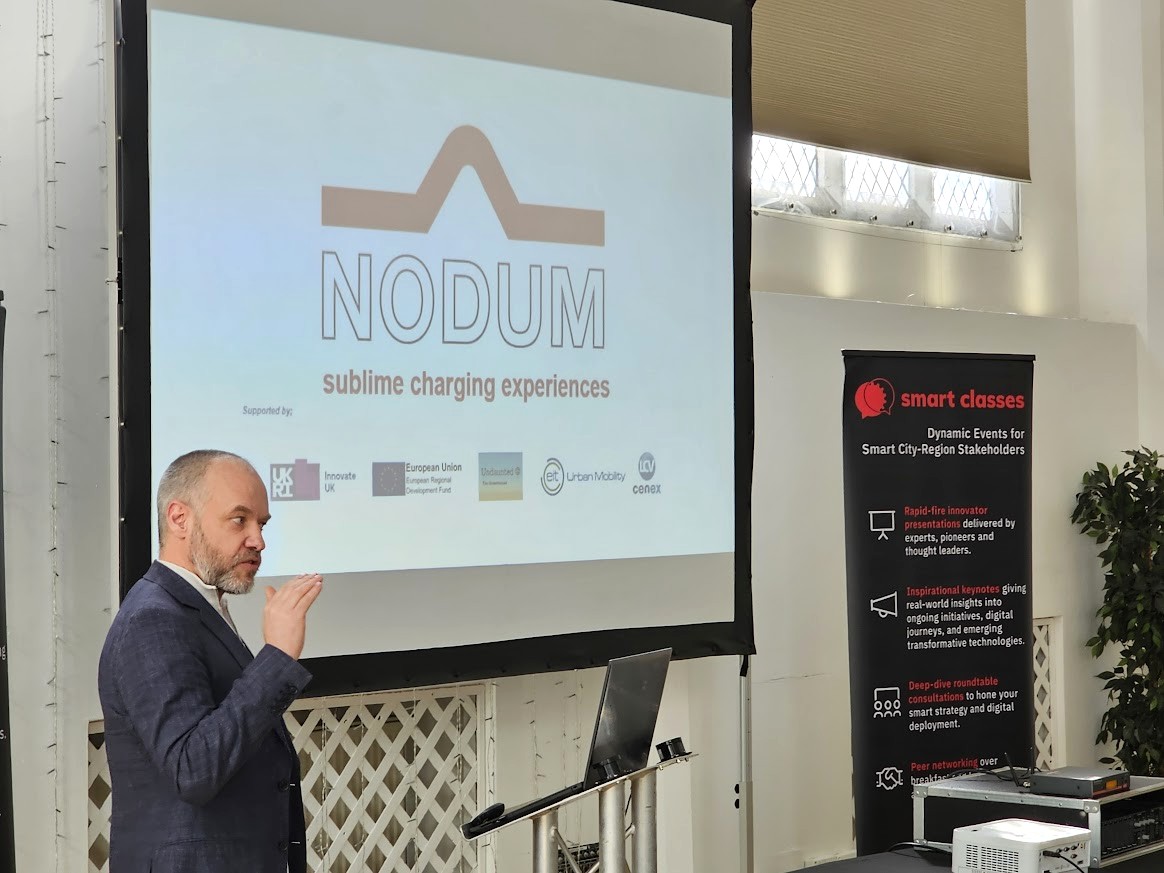
- Total cost of ownership – The cheapest way to charge your car is using your own home energy tariff;
- In order to make that happen for a good 30% of the population, we need something that is not just a wall box. We need to have a variety of solutions that go beyond just the gully cable option;
- Vehicle to grid is starting to happen in the current environment – e.g. EV charging bundle offered by BYD and Octopus Energy; Renault 4 & 5 V2G will be unlocked in 2nd half of year through Renault’s primary EV charging partner, Mobilize; Nissan is bringing out their Nissan Leaf version of V2G etc;
- These will initially begin as “walled gardens” (i.e. their own ecosystems) but common protocols will develop;
- Westminster City Council and its waste partner Veolia operate the UK’s largest fleet of electric refuse vehicles, featuring pioneering V2G technology – The trucks use their large batteries to discharge unused power back into the National Grid during peak demand hours;
- Sizewell B is the UK’s only commercial Pressurised Water Reactor (PWR), generating roughly 1.2 GW of low-carbon electricity. In order to get the same amount of power from a number of vehicles gently cycling onto the grid, you’ll need around 200,000 electric vehicles, “so not a huge number”;
- Amount between peak demand and low demand is about 10-12 GW over the course of a day, for which you’d need around 2 million cards plugging in – “That’s not beyond the realm of possibility when you consider that there’s a car park of around 35 million cars here in the UK”;
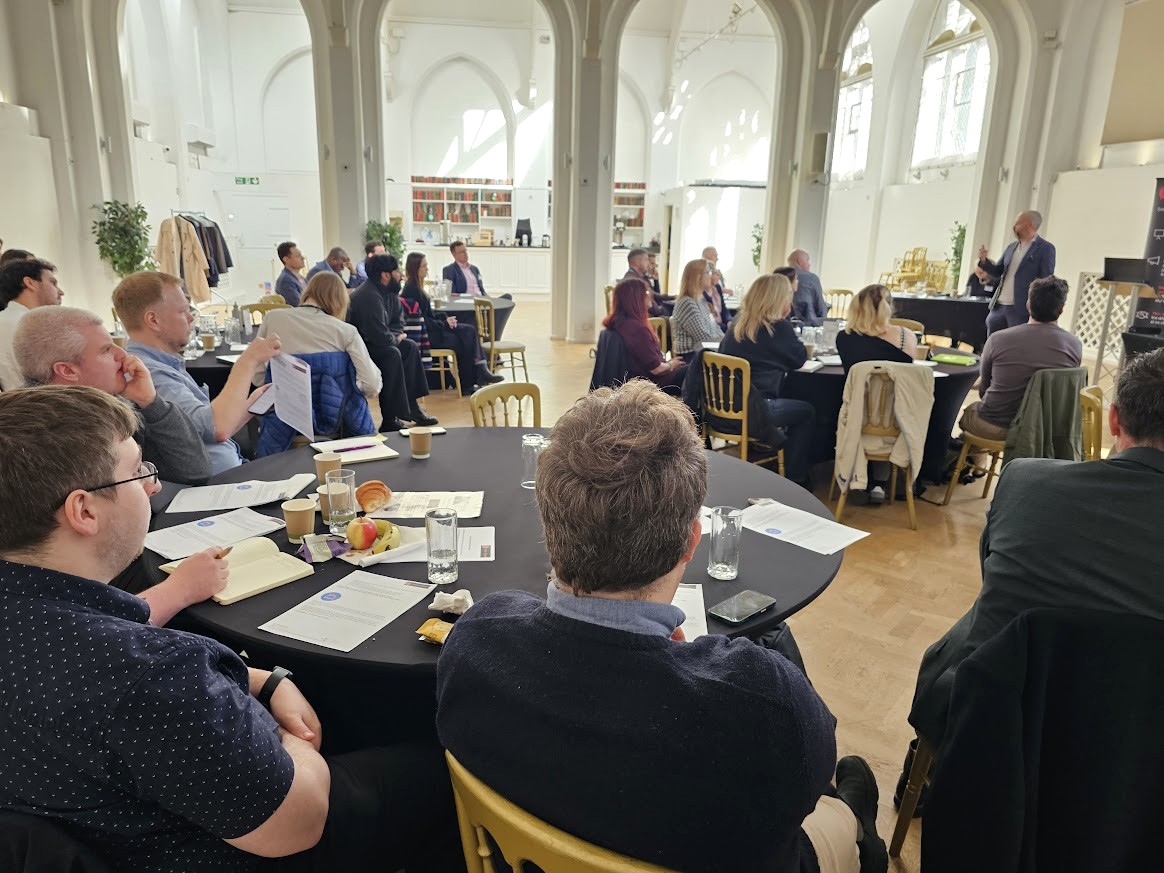
- How can we incentivise positive behaviour change? One way is to find ways that enable people to have a physical built environment that encourages good decisions;
- To this end, and for people with off-street parking, Nodum are creating a mechanism with their system that geo-locates the car, recognises whether it is beneficial for you the driver to charge the vehicle and/or beneficial to discharge back to the grid;
- ChargeBeam is a remote operated charge cable deployment – A guerrilla instal on a street in Lewisham has been used most successfully by an Uber driver;
- It is likely that ChargeBeam installation will require planning permission from Local Authorities and Nodum are currently working with a number of Authorities across the country to develop a framework which other areas can adopt;
- They are also working with partner companies to develop systems for sharing the charging resource. In this situation if you can’t park outside your own home, you could use another charger on your street which is available and pay via the app;
- The government’s £25 million grant for cross pavement charging solutions went entirely to the gullies but the point is that a variety of systems need to be found that allow drivers to plug in so that we can make the best of our renewable energy.
If you satisfy our regular delegate qualification criteria but were unable to join in Birmingham on February 25th for the live in-person event at The Old Library, CLICK HERE and complete the short “Download form” (located at the bottom of the post) to receive a unique link enabling free access to the presentation video recordings and slides (including the film footage and slides from Ben’s initial presentation).
Those qualifying to receive the rich presentation content from this event include commissioning, procurement, trialling, partnering and policy leads, senior influencers, strategic decision makers, programme managers and planners from local authorities (e.g. city, borough, metropolitan, district and county councils); public transport operators; regional transport partnerships, sub-regional transport bodies, combined authorities, integrated transport authorities and passenger transport executives; highways authorities and road operators; government and supporting national transport agencies; non-governmental organisations; fleet operators, parking operators, prime contractors etc.