Devolution brings major opportunities for the Midlands by giving local leaders greater control over transport, infrastructure, and economic growth. But turning these new powers into real, on‑the‑ground delivery remains challenging.
While major programmes such as Midlands Rail Hub, HS2 to the West Midlands, and multi‑year Transport for City Regions funding continue to advance, longstanding issues persist — including ageing infrastructure, the cancellation of schemes like Midlands Main Line Electrification, and uneven investment across the region. The WMCA–EMCCA compact is a positive step toward coordinated growth, yet varied devolution timelines and ongoing local government reorganisation create uncertainty.
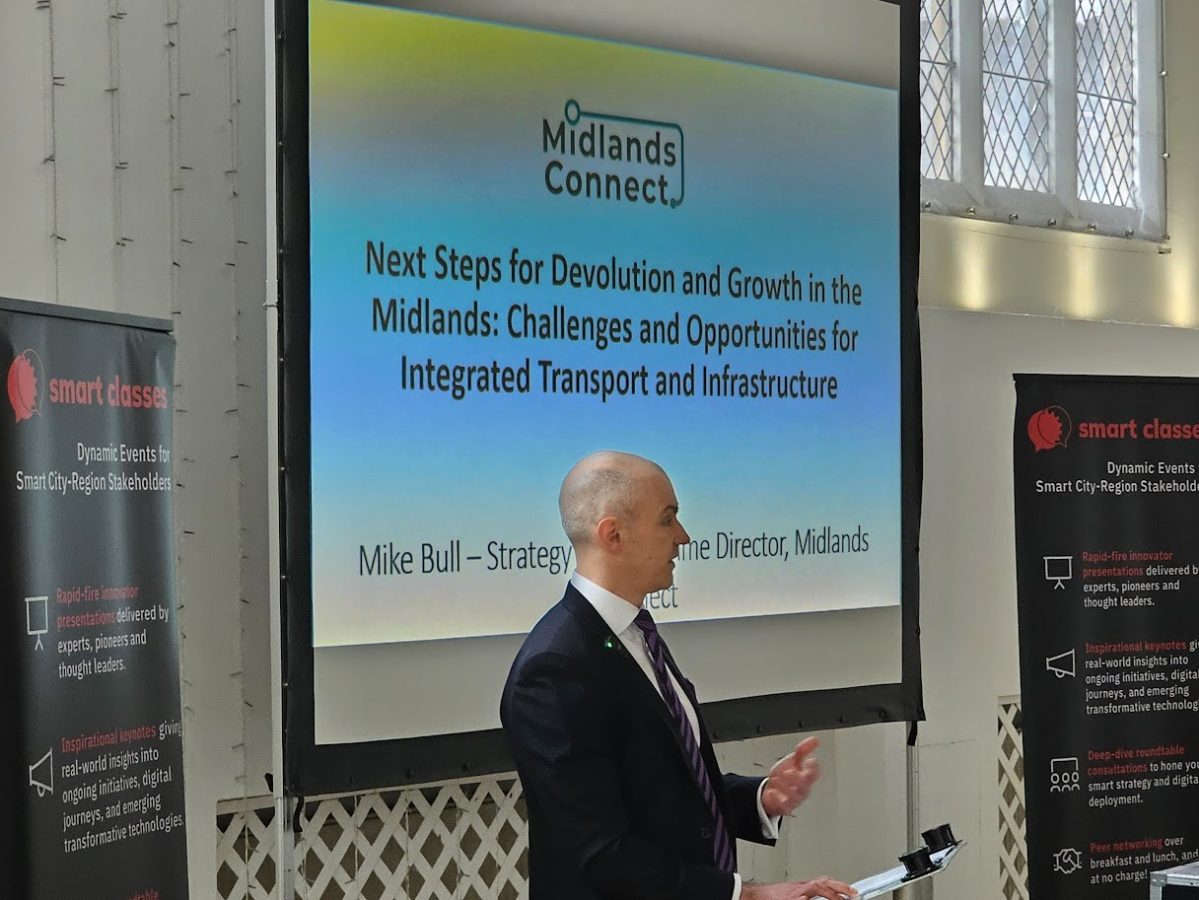
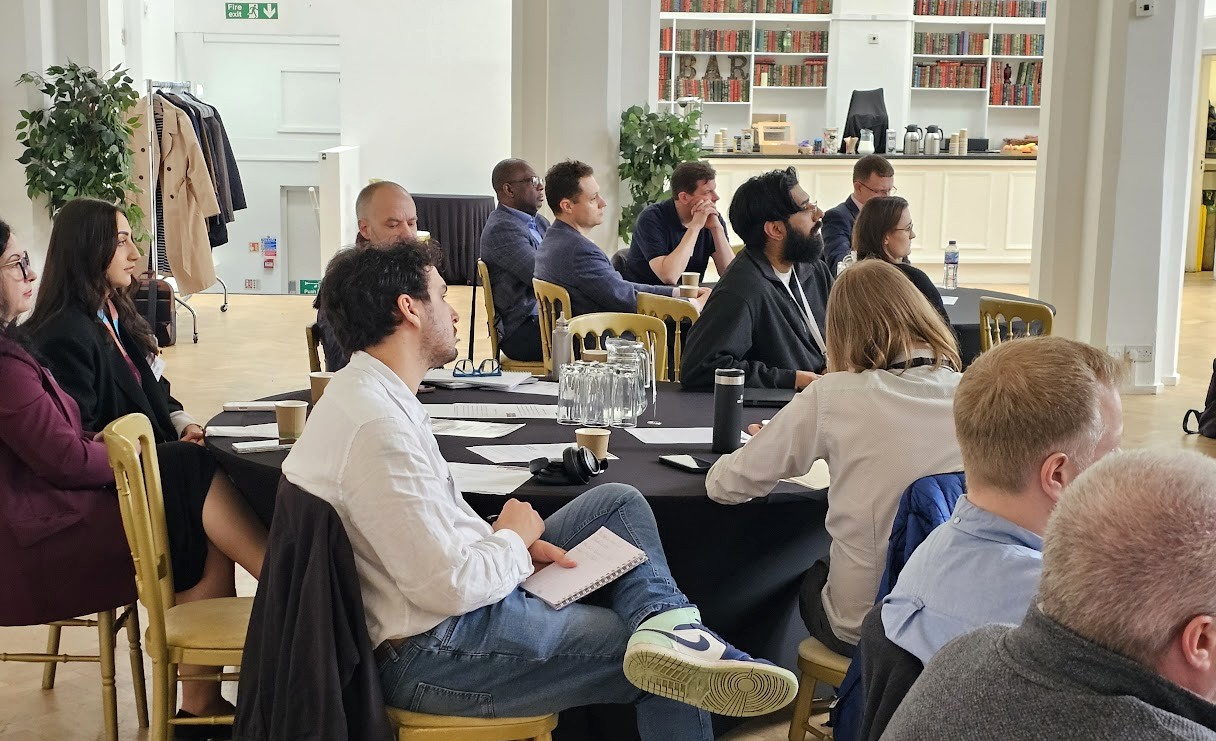
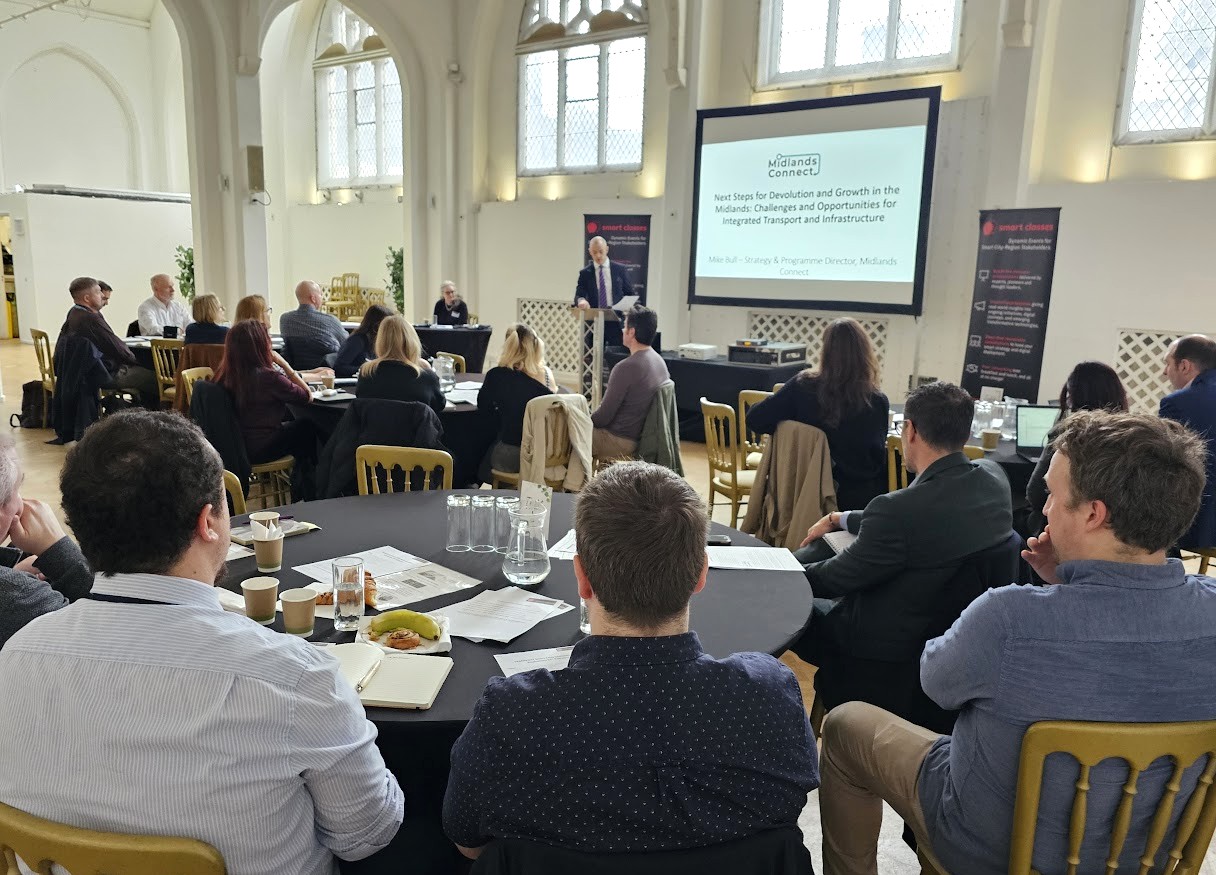
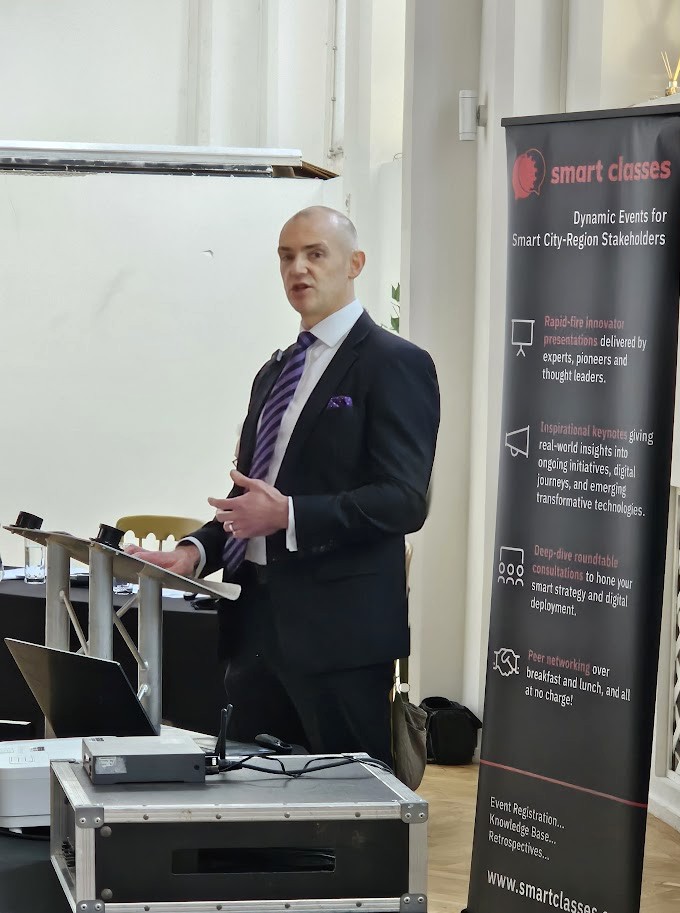
In his opening keynote at TRANSPORT Smart Class, Midlands 2026, Mike Bull, Strategy & Programme Director at Midlands Connect, set out some of the key challenges and how strengthened collaboration, shared capability, and integrated planning will be essential to deliver more resilient infrastructure and inclusive regional growth.
Executive Summary of presentation highlights:
1. The Midlands: Why Devolution Matters
The Midlands is a region of national economic significance—home to 10.6 million people and contributing £277bn GVA to the UK economy—yet it faces persistent productivity challenges and structural connectivity gaps. Devolution presents an opportunity to reshape how the region plans and delivers infrastructure, with new powers enabling more local control over transport, housing, regeneration and skills. The pressing question is whether the region is sufficiently empowered, structured, and aligned to turn this opportunity into meaningful delivery outcomes.
Key Points
• Devolution provides a platform for regional autonomy, but outcomes depend on delivery capability, collaboration, and long-term planning frameworks.
• The Midlands needs a more coherent regional system to close productivity gaps and drive a step-change in economic performance.
2. Challenges Facing Infrastructure Delivery
The last few years have brought significant uncertainty—altered national priorities, funding instability, and major programme changes such as the cancellation of HS2 Phase 2. However, there is renewed momentum through commitments such as Midlands Rail Hub, HS2 reset between London and the Midlands, and forthcoming National Highways RIS3.
Despite these positives, the Midlands faces systemic challenges:
Key Challenges
• Funding volatility and incomplete investment programmes (e.g., cancellation of Midlands Mainline Electrification).
• Lowest transport spend per capita in the UK in the East Midlands.
• Ageing infrastructure and climate pressures require a shift toward network resilience, renewals and maintenance.
• Long-term Integrated Settlements give Mayors flexibility but require strong assurance frameworks and demonstrable delivery capability.
There is a tension between public desire for more capacity and the essential need to safeguard existing assets. Without strengthened maintenance strategies, there is risk of system failures undermining growth. Devolved powers can rebalance priorities, but only if matched with capability and stable funding.
3. Key Changes Underway
The regional governance landscape is undergoing significant transformation. The WMCA and EMCCA Compact establishes a new foundation for joint work on infrastructure and economic priorities. Devolution is progressing unevenly, however, with non-Mayoral areas (Staffordshire, Warwickshire, Leicestershire) operating at different speeds and structures—creating risks of fragmented planning and uneven representation.
The transition to Great British Railways (GBR) is also creating uncertainty, with emerging guidance showing stronger roles for Mayors, and weaker clarity for Local Authorities.
Recently, EMCCA has become the strategic transport authority for Nottinghamshire and Derbyshire—taking over public transport infrastructure and bus policy oversight. Highway maintenance, however, remains with constituent local authorities.
Key Points
• Governance fragmentation could hinder integrated planning across corridors.
• Funding for Sub-National Transport Bodies ends in 2027, requiring new regional collaboration models.
• Devolution is enabling progress on bus reform, franchising, and multimodal integration—but integration remains inconsistent.
Opportunities
• Future multimodal integration (e.g., aligning bus and rail schedules) becomes more feasible with Mayoral control and GBR collaboration.
• Local Transport Plans provide a platform to embed integrated transport principles and prepare the region for further devolution.
4. The Big Prize: Strategic Opportunities for the Midlands
The Midlands has a once-in-a-generation opportunity to transform its connectivity. The Midlands Rail Hub (MRH)—a £1.75bn programme—offers up to 300 extra trains per day and 20 million additional seats annually, improving east-west and north-south services through Birmingham. £123m has been secured to develop MRH West, but full programme approval is still required.
Improving East–West connectivity is one of the region’s greatest structural opportunities. Routes such as Nottingham–Derby–Birmingham, Humber–LincolnDerby–Birmingham, and Nottingham–North Staffordshire are vital strategic growth corridors supporting logistics, manufacturing, and innovation.
Key Opportunities
• Strengthen regional productivity by reducing slow, unreliable east-west travel times.
• Support labour mobility and widen access to employment markets.
• Provide competitive advantages for logistics, manufacturing and global trade.
• Integrate transport planning with housing, skills and energy for place-based growth.
Fully unlocking these opportunities requires alignment between Mayoral authorities, Local Authorities, DfT, National Highways, Network Rail/GBR, developers and utilities. Devolution provides the tools—but the region must lead the coordination.
5. What It Takes to Deliver
Although funding such as the £1.1bn for MRH West is welcome, the Midlands’ investment levels remain low relative to national comparators. The recently updated Green Book may help rebalance decision-making towards more equitable regional outcomes, but only if government and agencies adopt it consistently.
The region’s ability to deliver depends heavily on capability, capacity and alignment:
Key Challenges
• Authorities vary significantly in maturity and delivery capability, which could limit the effective use of TCR settlements.
• GBR business units remain aligned to north–south routes, limiting focus on eastwest connectivity.
• Many infrastructure sectors (transport, energy, digital, utilities) are still planned in silos, limiting integrated solutions.
Critical Success Factors
• Strong pan-Midlands collaboration
• Shared technical capacity and consistent standards
• Clear, stable pipelines to support industry, supply chains and talent
• Joined-up regional advocacy (e.g., supporting MRH inclusion in Spending Reviews)
6. Strategic Priorities
In terms of the key priorities for transport, infrastructure, and economic growth:
1. Using devolved powers to integrate transport, housing, regeneration and skills, supported by clear multiyear funding settlements and resource capabilities.
2. Focusing on building a fully integrated, multimodal transport system (across bus, rail, road, tram, active travel), shaped to the needs of the regional economy, and communities, rather than being led by national agencies.
3. Focus on Transforming East–West connectivity to unlock labour mobility and productivity.
4. Maximise HS2 connectivity and wider rail integration to leverage economic clusters, and spread the benefits from released capacity.
5. Ensure a long-term, stable infrastructure pipeline to provide certainty and confidence for regional investment, skills and supply chain development.
7. What Success Looks Like
Success under devolution requires the Midlands to act as a coherent regional system—coordinating decisions, sharing capability, integrating planning and presenting a unified voice to government. Devolution gives the region meaningful control, but also greater responsibility to demonstrate delivery excellence.
If successful, the Midlands can achieve:
• A truly integrated transport network
• More balanced national investment
• Stronger regional productivity and competitiveness
• Improved quality of life through better access to opportunities
Summary of Key Recommendations
1. Strengthen Regional Governance & Collaboration:
• Formalise pan-regional delivery structures to replace STB funding post-2027.
• Adopt shared standards and pooled expertise for planning, appraisal and assurance.
2. Prioritise East–West Connectivity:
• Accelerate development of strategic growth corridors.
• Align rail and road programmes with MRH, A46/A52/A50 upgrades and GBR’s future structure.
3. Build an Integrated Multimodal Network:
• Embed multimodal planning into all Local Transport Plans.
• Develop bus–rail timetable synchronisation pilots based on Swiss models.
4. Improve Delivery Capability & Capacity:
• Establish a regional centre of excellence for transport planning, major projects and appraisal.
• Ensure MSAs have sufficient skills and resources to deliver TCR programmes.
5. Secure Long-Term Funding and a Stable Pipeline:
• Develop a unified regional investment narrative for future Spending Reviews.
• Use updated Green Book methodologies to strengthen business cases.
6. Maximise HS2 Connectivity & Released Capacity:
• Influence GBR service specifications to ensure HS2 benefits cascade across the region.
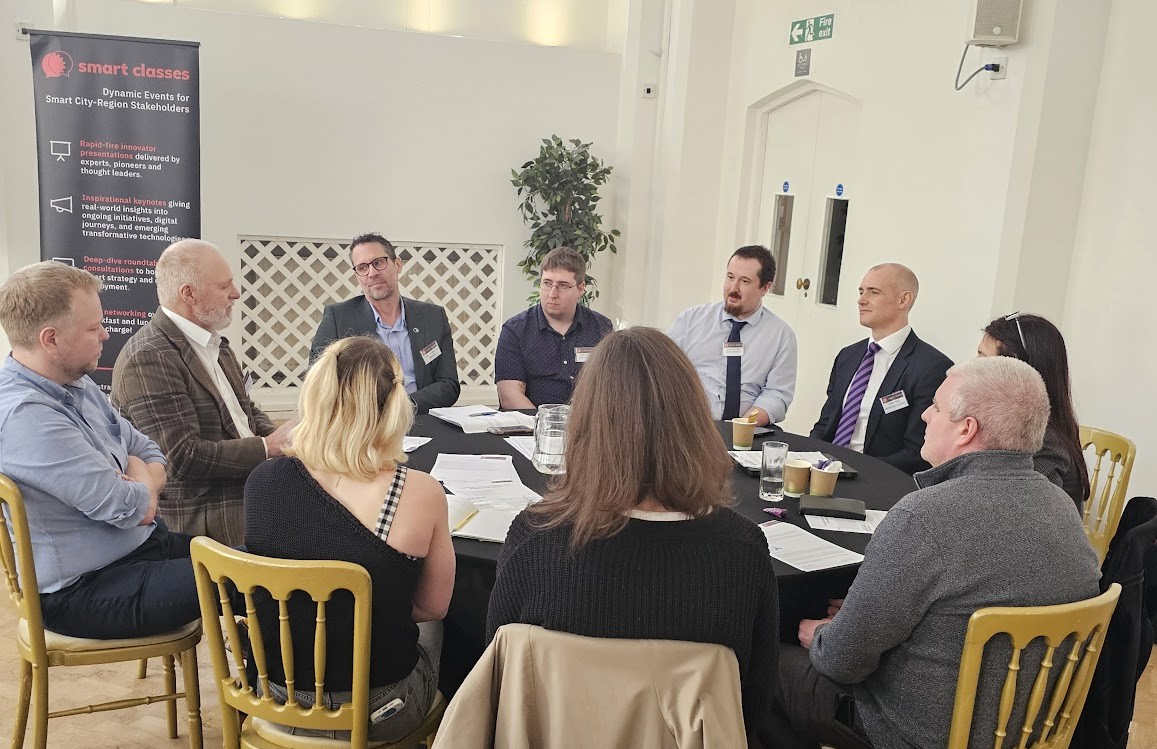
If you meet our regular delegate qualification criteria but were unable to join us The Old Library, Birmingham, for the live in-person event on February 25th, CLICK HERE and complete the short “Download form” (located at the bottom of the post) to receive a unique link enabling free access to the presentation video recordings and slides (including the film footage from Mike’s keynote).
Those qualifying to receive the rich presentation content from this event include commissioning, procurement, trialling, partnering and policy leads, senior influencers, strategic decision makers, programme managers and planners from local authorities (e.g. city, borough, metropolitan, district and county councils); public transport operators; regional transport partnerships, sub-regional transport bodies, combined authorities, integrated transport authorities and passenger transport executives; highways authorities and road operators; government and supporting national transport agencies; non-governmental organisations; fleet operators, parking operators, prime contractors etc.