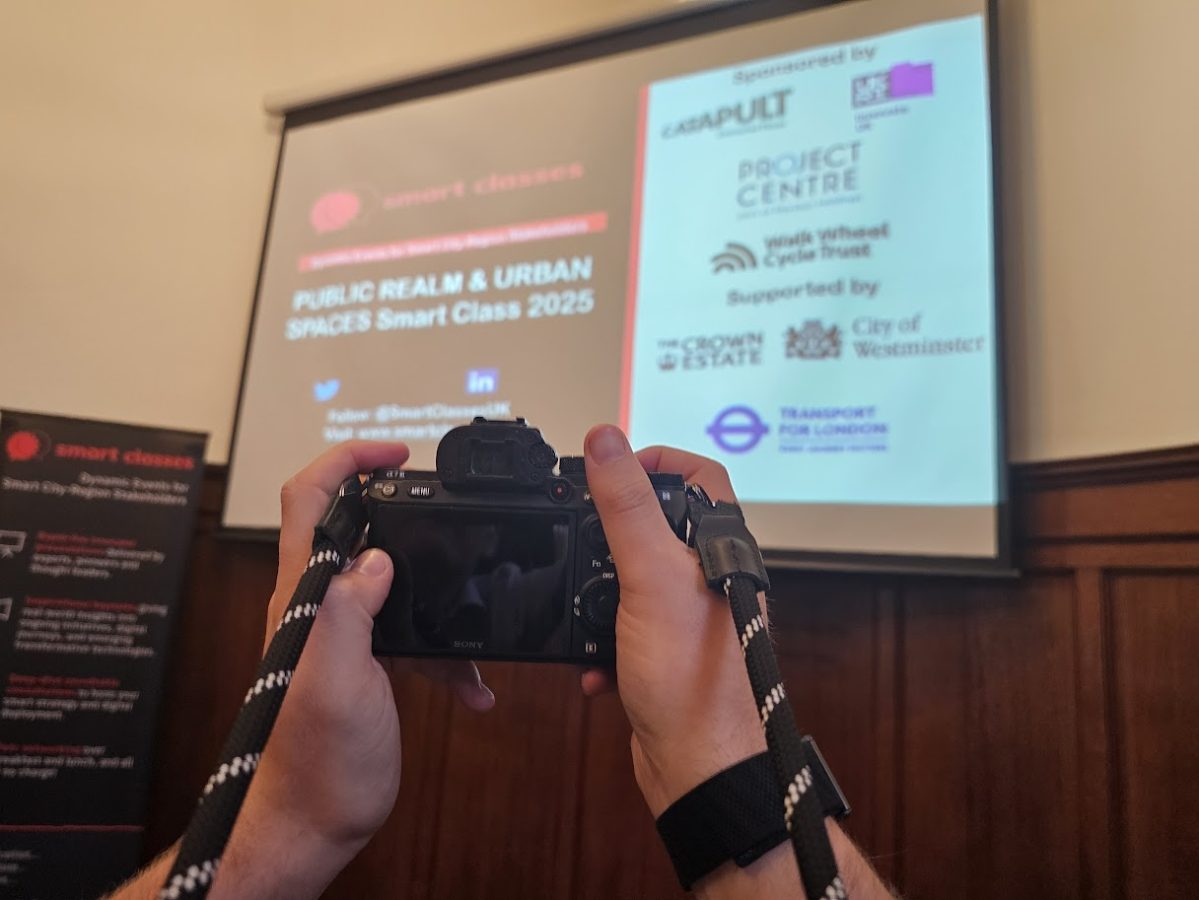
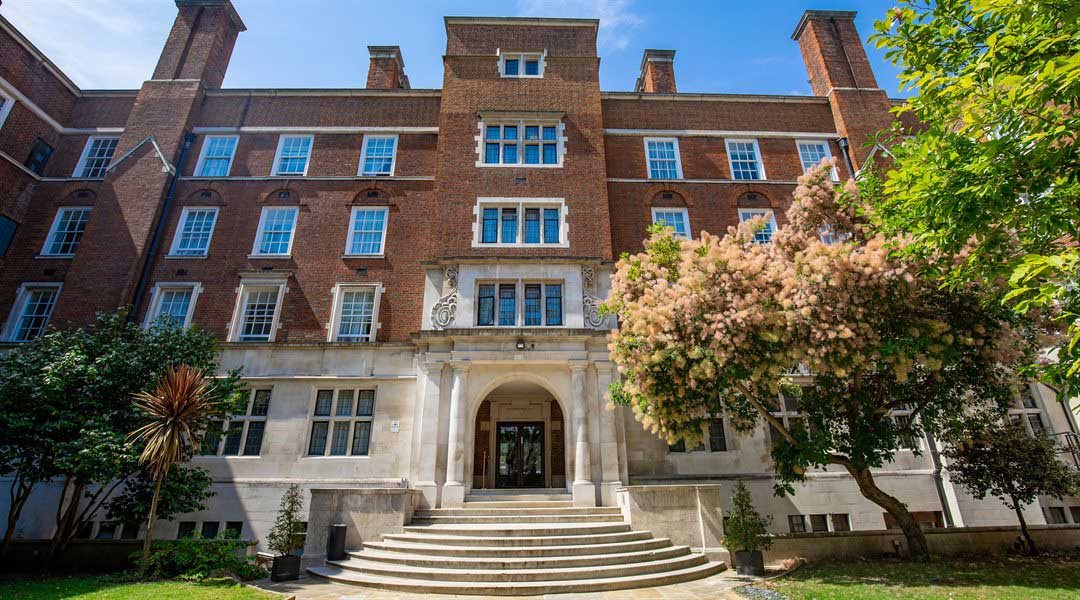
On December 4th we hosted PUBLIC REALM & URBAN SPACES Smart Class 2025 at The Wellington Hotel, London. This Smart Class provided a fresh take on how to harness innovation, data science, design, policies and best practice to create the next generation of smarter spaces and places in our cities and regions.
As usual, our videographer captured the keynotes and innovator presentations on film for additional stakeholders to enjoy post-event!
If you met the regular delegate qualification criteria but were unable to join us on the day, just complete the “Download form” at the bottom of this page and we’ll give you complimentary access to the presentation video recordings and slides.
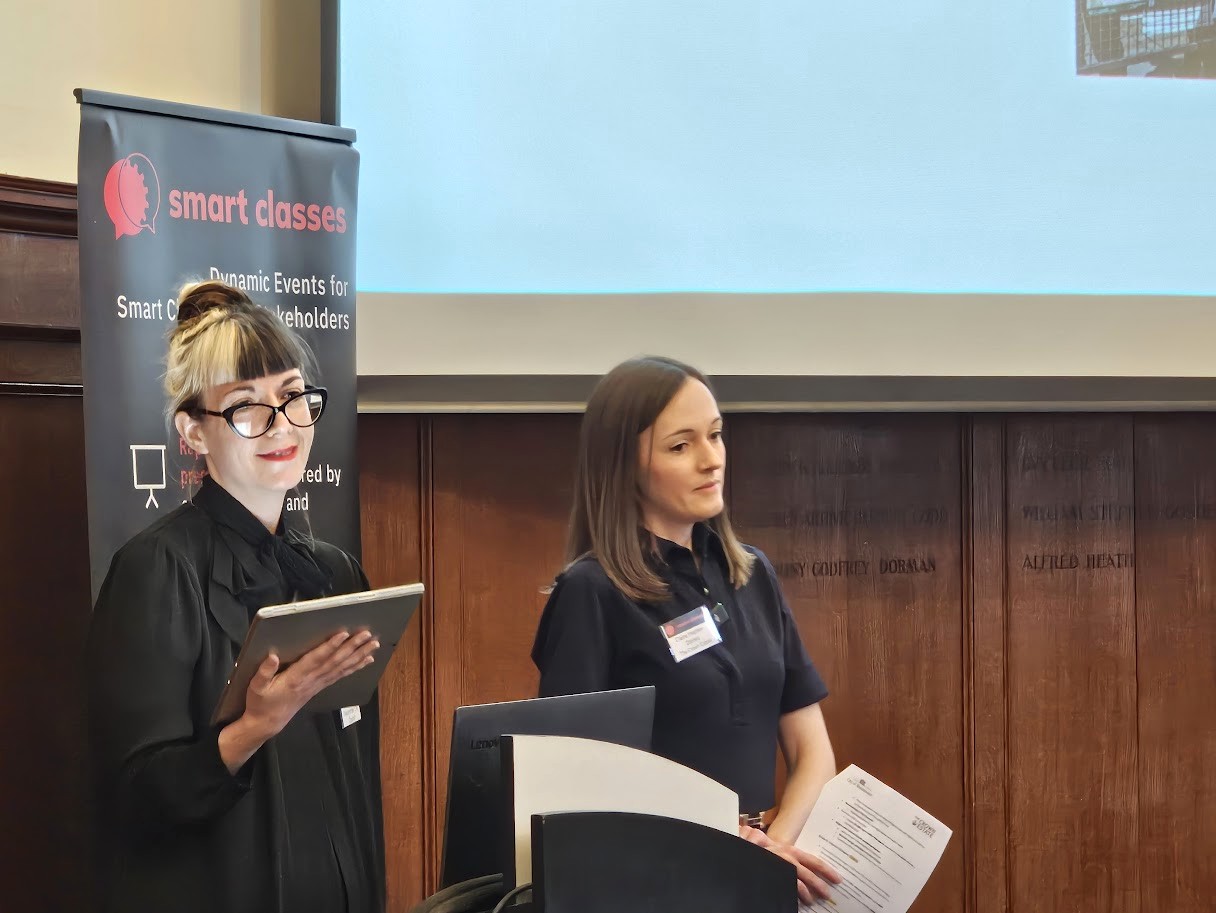
Our inspirational speakers included: Claire Hepher-Davies, Senior Development Manager – Public Realm at The Crown Estate; Westminster City Council’s Head of Public Realm, Sarah Hoare; Transport for London (TfL) Lead Sponsor, Robert Edwards, accompanied by Principal Sponsor, Alina Sechrest; Geoffrey Stevens, Director of Built Environment and Urbanism, alongside Joshua Thomas, Head of Built Environment and Urbanism – Technical, from the Connected Places Catapult; Project Centre’s Technical Director for Landscape Architecture and Urban Design, Bharati Ghodke, Associate Director – Flood and Water Management, David Chapman, and Associate Director for Lighting and Technology, Herbie Barnieh; and Walk Wheel Cycle Trust’s Principal Engineer, Zeina Hawa, and Senior Engineer, Lorenzo Ciancarini.
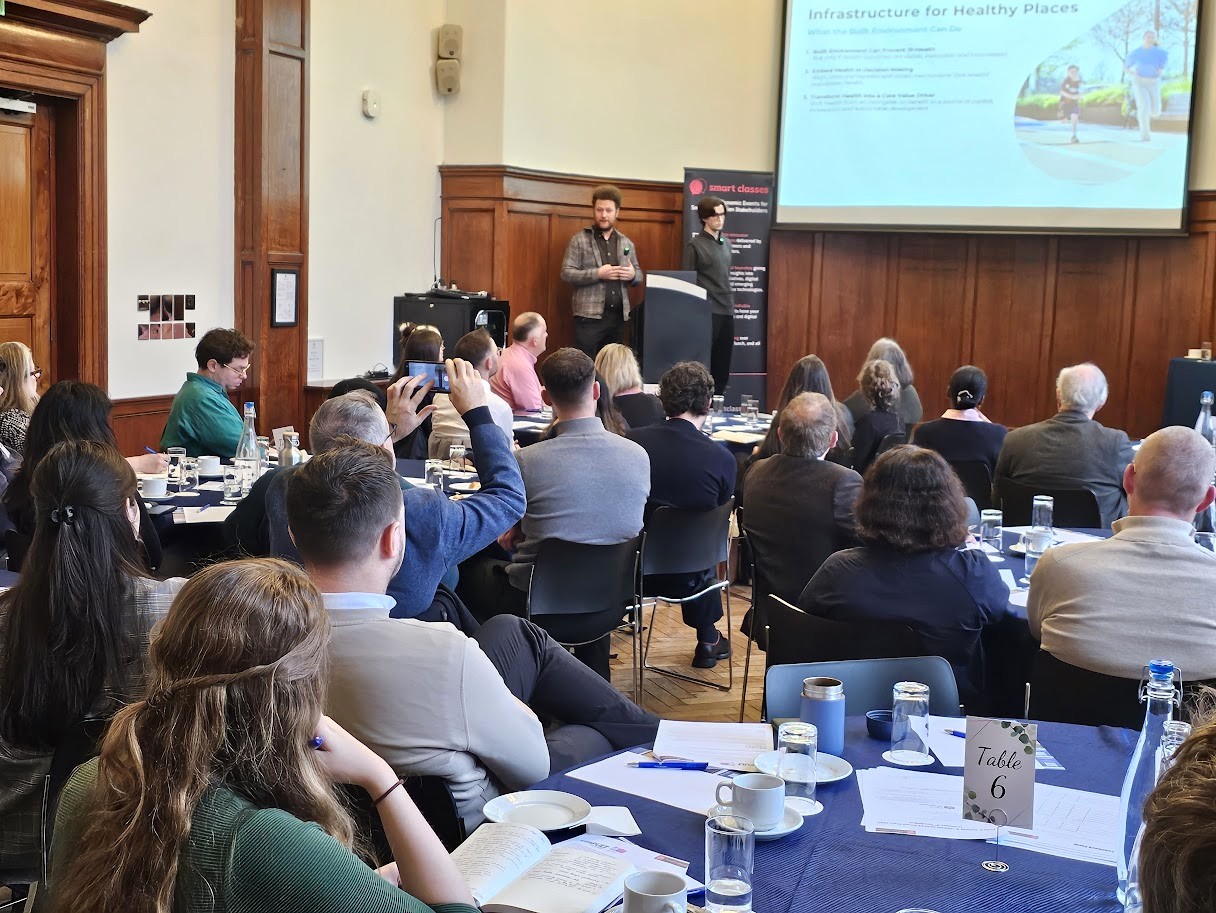
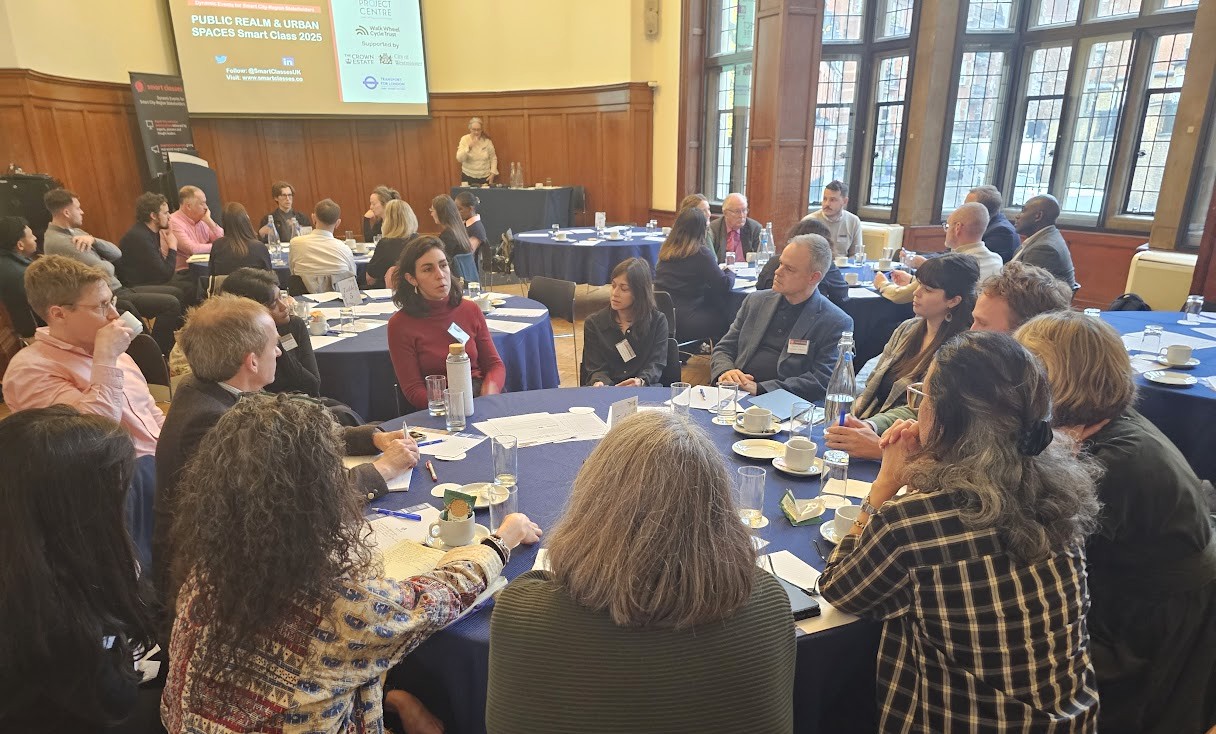
The Smart Class also featured thought provoking Q&As and engaging roundtable sessions hosted by the innovator teams. Further networking was facilitated over breakfast, drinks and lunch.
There was invaluable delegate input into these discussions on behalf of key stakeholders such as Barnet Council, Colchester City Council, Croydon Council, East Herts & Broxbourne Councils, Gravesham Borough Council, Greater London Authority (GLA), Hertfordshire County Council, London Borough of Hammersmith & Fulham, London Borough of Hounslow, London Borough of Lambeth, London Borough of Redbridge, Newham Council, Royal Borough of Greenwich, Westminster City Council, Cross River Partnership, London Heritage Quarter (LHQ), London Legacy Development Corporation (LLDC), Old Oak & Park Royal Development Corporation (OPDC), Queen Elizabeth Olympic Park, The Crown Estate, Transport for London (TfL), Association of Transport Co-ordinating Officers (ATCO), Beyond the Red Line, Matter Space Soul, Sustrans, Transport Initiatives, Velocity Transport Planning, and more!
Presentations included:
Reimagining the Public Realm of Regent Street, Haymarket, and Piccadilly Circus – The Regent Street, Haymarket and Piccadilly Circus public realm project is a collaborative initiative between The Crown Estate and Westminster City Council aimed at transforming one of London’s most iconic streets into a greener, safer, and more accessible destination. With a rich history dating back to 1819, Regent Street has long been a hub for retail, culture, and architecture. The programme focuses on securing the future of this street amongst global competition and climate challenges.
The programme reflects a forward-looking vision that balances heritage with innovation, ensuring the street remains vibrant and resilient for years to come.
In this opening keynote, Claire Hepher-Davies (Senior Development Manager – Public Realm) from The Crown Estate and Sarah Hoare (Head of Public Realm) from Westminster City Council shared how this unique partnership has formed, the proposals following recent engagement on a masterplan and movement strategy and the opportunities and challenges a proposal of this nature faces.
Shaping Better Public Spaces through Innovation – The Innovate UK Catapult Network provides a unique combination of cutting-edge R&D facilities and world-class technical expertise to support UK business innovation. Connected Places Catapult is the UK’s innovation accelerator for the Built Environment, Local Growth, and Transport.
In this presentation, Geoffrey Stevens (CPC’s Director of Built Environment and Urbanism) and Joshua Thomas (Head of Built Environment and Urbanism – Technical) shared insights from their work establishing the Public Realm Innovation Lab.
The Lab partners with local authorities, developers and communities to test and co-create solutions that make public spaces more inclusive, sustainable and successful. By addressing fragmented policies, limited evidence and weak community engagement, the Lab aims to pilot real-world interventions and generate evidence to improve public spaces and attract investment.
Designing Sustainable Places for People and the Future – Project Centre design sustainable, resilient, and people-centred places that respond to the evolving social and environmental challenges of our built environments. Understanding the importance of balancing design quality, functionality, and sustainability within complex urban contexts, they approach every project with a focus on long-term impact and practical delivery.
Project Centre’s integrated portfolio spans urban design, landscape architecture, lighting, and drainage infrastructure, delivering schemes that combine technical excellence with innovative elements such as adaptive lighting, nature-based solutions, and inclusive placemaking. The result is designs that are tailored to communities and councils’ needs, easy to maintain, and aligned with carbon-reduction and future sustainability goals.
Three Project Centre experts – Bharati Ghodke (Technical Director for Landscape Architecture and Urban Design), David Chapman (Associate Director – Flood and Water Management) and Herbie Barnieh (Associate Director for Lighting and Technology) – teamed up for this presentation to share best practice from recognised schemes across the UK, demonstrating how evidence-based design and integrated, innovative solutions can reduce energy use, enhance biodiversity, and create vibrant, attractive spaces that work for both the people and the environment.
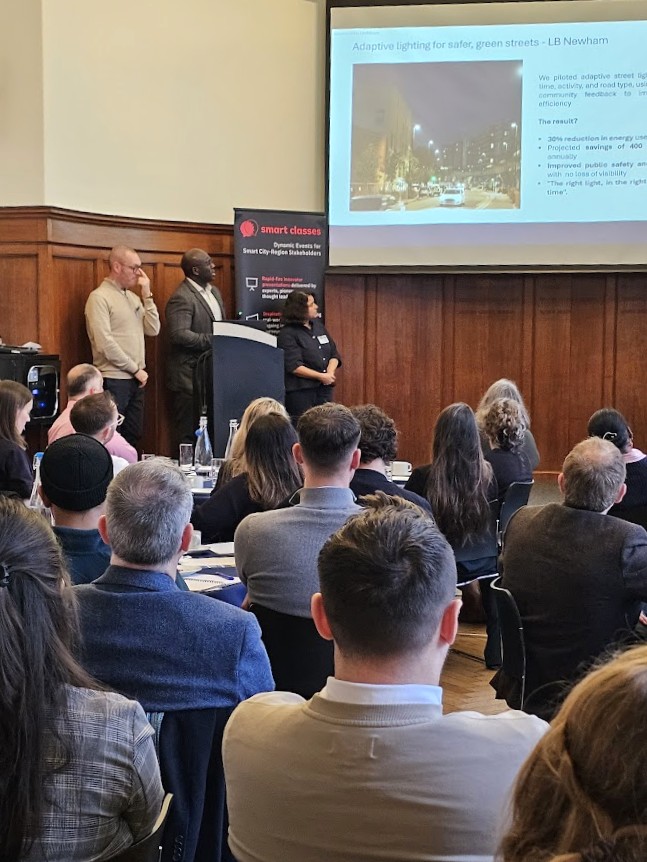
TfL’s Role in Improving London’s Public Realm through the Healthy Streets Approach – Rob Edwards is a Lead Sponsor at TfL and works with the North London Boroughs on their programme of schemes funded through the LIP funding from TfL. He has delivered an extensive programme of enhancement schemes on the Mayors Road Network such as the Angel Town Centre scheme, Elephant and Castle Southern roundabout, early phase schemes at Old Street Roundabout and Highbury Corner, Finsbury Park gyratory removal and an extensive package of pedestrian improvements along Edgware Road in Westminster.
TfL have adopted the Healthy Streets Approach to improve air quality, reduce congestion and help make London’s diverse communities greener, healthier and more attractive places to live, work, play and do business. This approach to public realm puts people and their health at the centre of decisions about how we design, manage and use public spaces.
Rob reflected in this keynote on progress (or lack of) over the last 35 years and asked, “Why does it matter?”.
With additional input from Alina Sechrest (a Principal Sponsor on Rob’s team), the presentation featured case studies of Edgware Road in Westminster and Upper Street in Islington, and highlighted lessons learnt.
Finally, by way of conclusions, Rob explored “reasons to be cheerful” and “some reasons to be worried”.
Integrating Active Travel and Public Space: Creating Spaces that Work for Young People – This presentation on behalf of Walk Wheel Cycle Trust showcased a selection of School Streets and neighbourhood approaches projects that have involved deep community engagement along with child led design through various methods, delivering public space transformation and active travel improvements.
Zeina Hawa (Principal Engineer) and Lorenzo Ciancarini (Senior Engineer) touched on the role of widening the scope of highways improvement projects to encompass wider public health benefits, and on the role of meaningful, broad engagement and data collection in shaping design proposals and creating lasting street transformations.
Those qualifying to receive the presentation videos and rich media content from this event include:
Commissioning, procurement, trialling, partnering and policy leads, senior influencers, strategic decision makers, planners, place makers, architects, green space managers, urban designers, communities & neighbourhoods, highways & street scene, transport & mobility and high streets & regeneration professionals from councils and local authorities (city, borough, metropolitan, district, county and combined); people and place partnerships; developers, landowners and creators of privately owned public spaces; prime contractors and city centre management companies; DfT, DEFRA, MHCLG, EA and supporting governmental bodies; transport authorities, highways agencies and public transport operators; civic organisations and community groups; and other key players from the public realm ecosystem with responsibility for managing, maintaining and operating our streets, squares, forecourts, parks, pathways, retail centres, car parks, airports, ports, travel hubs, hospitals, housing estates, campuses, communal gardens and the assets contained within these public or semi-public spaces.
Register your details via the “Download form” below to receive a unique link enabling complimentary access!