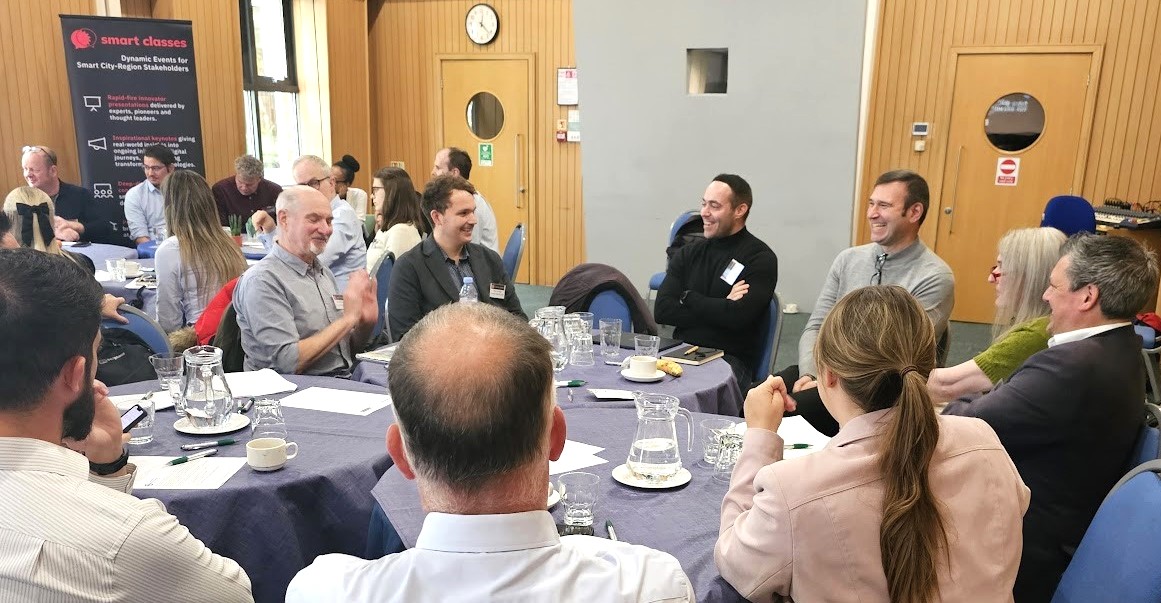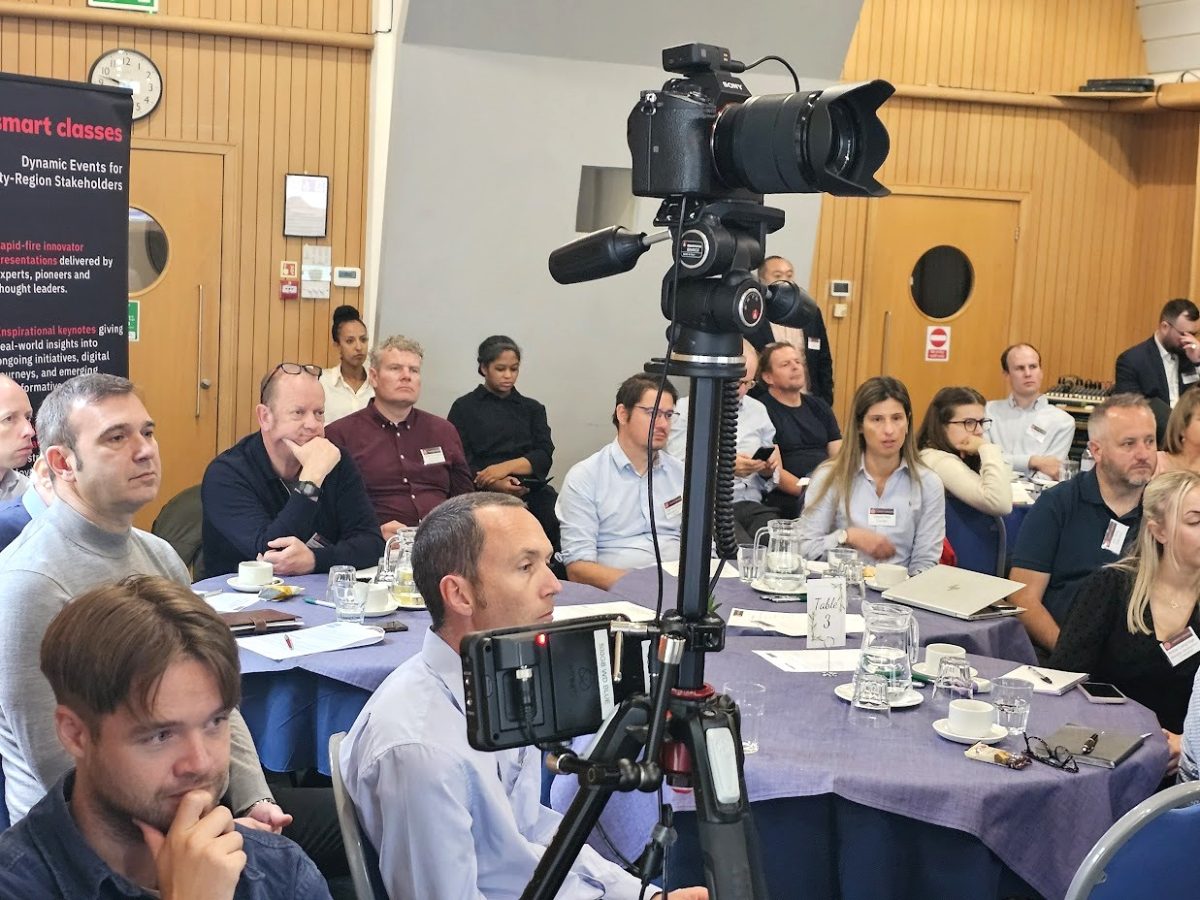
On October 10th we hosted TRANSPORT Smart Class, London & South East England 2024 at Greencoat Place Conference Centre. This Smart Class provided a fresh take on how to deploy the latest digital technology-enabled solutions, data-driven strategies, policies and best practices to tackle transport and mobility challenges faced by London, its hinterland, burgeoning smart city-regions of the South East and East Anglia, and beyond, and deliver a transport system that will allow passengers and citizens to travel efficiently, safely and with minimal impact on the environment.
Our film maker captured the keynotes and innovator presentations for additional stakeholders to enjoy post-event!
If you satisfy our regular delegate qualification criteria but were unable to join us on the day, just complete the short application form below and we’ll grant you free access to the presentation video recordings and slides.
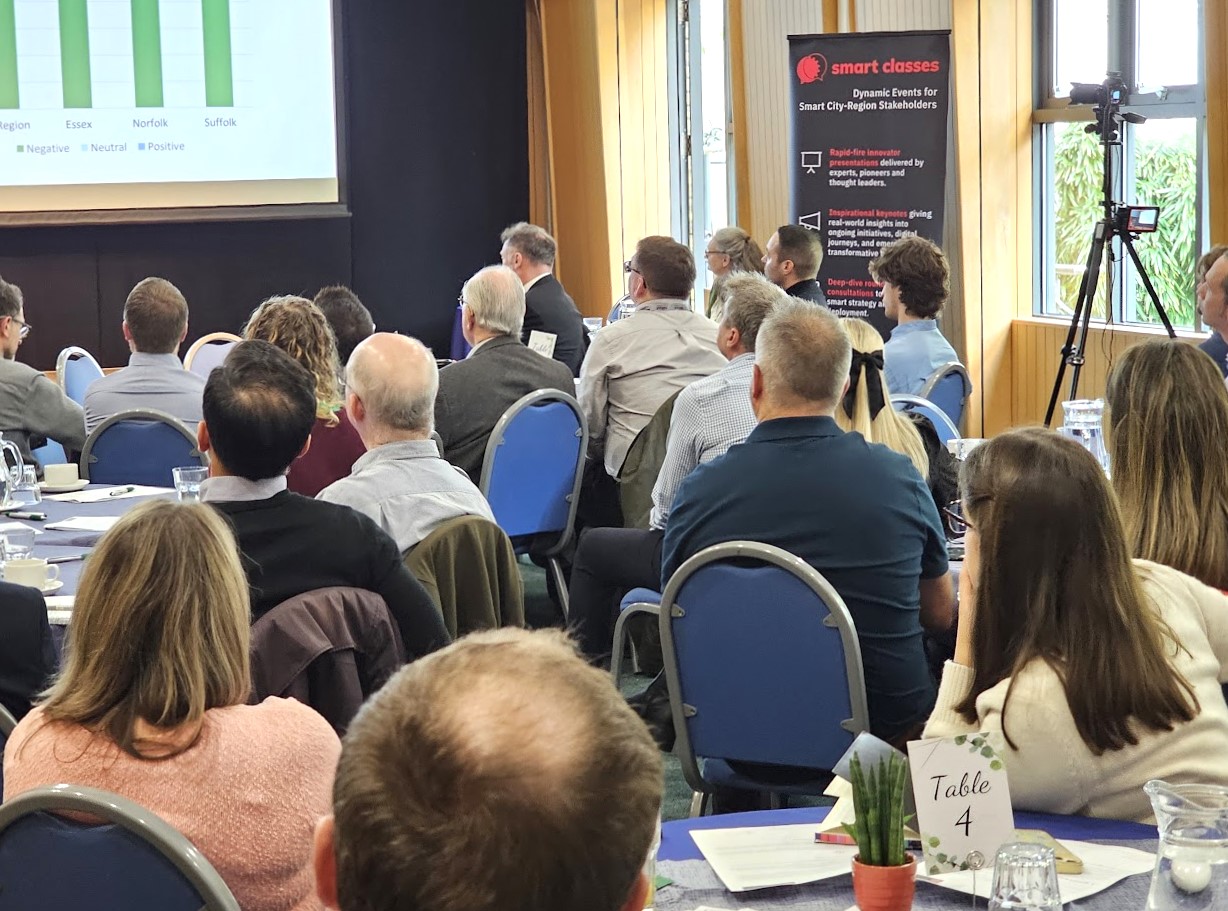
Our inspirational keynote speakers included: Geoff Hobbs, Transport for London’s (TfL) Director of Public Transport Service Planning; Keir Wilkins, Head of Programme and Policy at Transport for the South East/TfSE (the Sub-National Transport Body for the South East of England); and Andrew Summers, Chief Executive of Transport East (the Sub-National Transport Body for Essex, Norfolk, Suffolk, Southend and Thurrock).
The Smart Class also featured insightful innovator thought leadership presentations, delivered by: Antoine Lunet, General Manager EMEA at Spare, with support from Adrian Ulisse, Global Transit Partnerships Lead at Uber Transit (a Spare partner); Vitor Kono, VivaCity’s UK & Ireland Marketing Manager; and Alison Litherland, London Head of Behavioural Change at Sustrans.
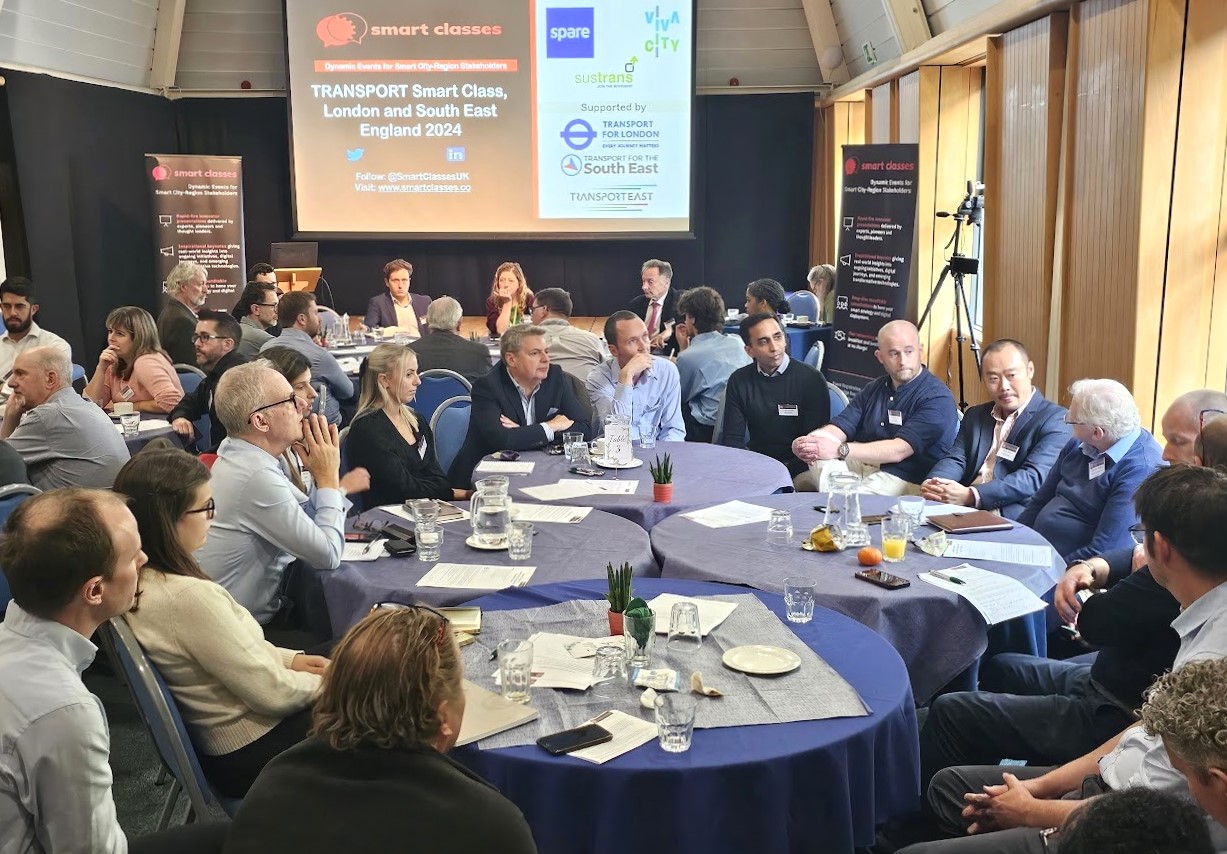
The innovators expert teams – which, in addition to their speakers, also featured Shane Foley (Strategic Partner Lead) and Charn Aujla (Strategic Partnerships Executive) from VivaCity, and further representation from Sustrans – subsequently hosted confidential, deeper dive, roundtable sessions with all delegates in attendance.
The live (in-person only) event also included thought provoking Q&As and further networking opportunities over breakfast, drinks and a cooked lunch.
Noteworthy contributions to these discussions were also made by influencers and decision makers from the likes of Arup, Association of Transport Co-ordinating Officers (ATCO), Brent Council, Brighton & Hove City Council, Buckinghamshire Council, Central Bedfordshire Council, Cundall, Department for Transport (DfT), Ebbsfleet Development Corporation, Epping Forest District Council, First Bus, Hackney Council, Hertfordshire County Council, Honda, The Go-Ahead Group, Ian C Wright Associates, London Borough of Camden, London Borough of Hounslow, London Borough of Waltham Forest, London Councils, London Environment Directors’ Network (LEDNet), MP Smarter Travel, Oxfordshire County Council, Pell Frischmann, South Western Railway, Surrey County Council, TPL Transport Planning, Transport East, Transport for London (TfL), Transport for the South East (TfSE), Transport Initiatives, West Sussex County Council, and more!
Topic highlights included:
- The Elizabeth Line – The most significant addition to London’s transport network in a generation and a game-changer for the city and the wider South East;
- How have TfL adjusted their bus, underground and DLR networks to accommodate the new line?
- How have travel patterns changed and how can post-Covid travel patterns be accommodated? Car, bus and rail trips in aggregate; Public transport/sustainable mode share;
- Demand generation in response to journey time – How has EZL, the biggest single intervention in London and the UK, helped accelerate recovery?
- What impacts have the changes had on waiting time, interchange time, crowding and customer experience, and how have they affected new infrastructure and services such as Superloop, NLE and BRE?
- What are the EZL impacts on GLA area population and employment?
- Thinking strategically about the future of demand responsive transport in the UK to ensure long-term sustainability;
- Innovative ways to enhance the efficiency and effectiveness of DRT schemes – Optimising fleet management, streamlining call centre operations, and improving financial performance to reduce costs and increase service reliability;
- Automate and integrate – Fully integrated multimodal trip planning, booking and payment;
- How can AI-driven fleet management and integrated service operations empower DRT providers to break through current limitations?
- Open fleets – Becoming multi-provider and carpooling ready in West Sussex; Integrating a cloud-based on-demand transit platform with Uber’s extensive driver network;
- Proven at scale – DART GoLink (Dallas, TX) case study, the world’s largest Microtransit service;

- What are sub-national transport bodies?
- What is the common legislative framework that underpins STBs?
- Changes to the policy landscape – Devolution, rail reform, planning reform and infrastructure investment;
- How should the role of STBs develop to pre-empt these changes?
- Why are TfSE and other STBs perfectly positioned to bring local, regional and national government together, to help deliver a better integrated transport network for the future, and support decarbonisation and other new government objectives?
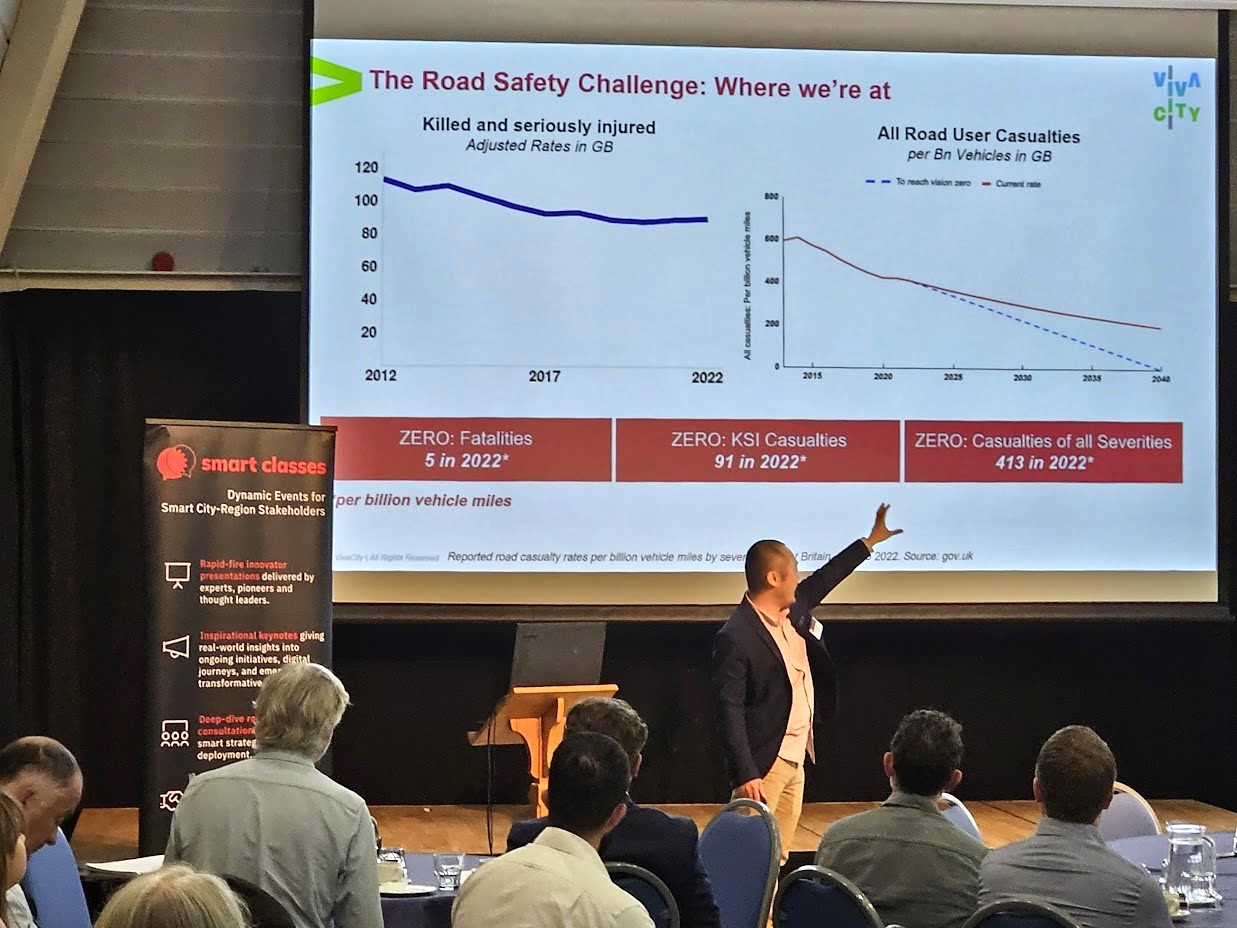
- Vision Zero – Where are we at with the road safety challenge?
- Integrating AI-powered computer vision technology to boost Transport for West Midlands’ refreshed 2024 road safety strategy and protect vulnerable road users;
- Combining safe systems with data-led road safety strategies;
- Cutting-edge safety features, including the latest pedestrian or cyclist vs. vehicle near miss technology;
- Case studies from hazardous sites within TfWM’s network, and the proactive interventions and early results;
- How has this structured road safety initiative helped TfWM scale across the region to identify similar high-risk sites, and build an evidence-base to secure more funding?‘
- New government priorities for transport – Bus, rail and greener transport, greater integration, and boosting economic growth, decarbonisation and social inclusion;
- How can this be delivered in places outside of large metro areas, like the East of England?
- Opportunity East – How the East of England will drive national productivity through innovation;
- Major externalities in the East – Rising carbon emissions, poor connectivity and congestion, social exclusion;
- Examining these challenges through the lens of Transport East’s recently published transport strategy for the East;
- Decarbonisation to net zero, connecting growing towns and cities, energising rural and coastal communities and unlocking international gateways – EV charging infrastructure, strategic rail and freight, rural mobility/accessibility, and integrating passenger transport and active travel;
- Transport East as a devolution partner;
- Sustrans’ approach to addressing beyond infrastructural barriers to walking, wheeling and cycling;
- COM-B method of behaviour change;
- Importance of partnership working and co-design;
- Wheels4MeLondon – Raising awareness about accessible cycling for disabled people, whilst improving travel safety and confidence;
- Revolutionising who can access non-standard cycle loans and training in London? Project progress to date etc
Those qualifying to receive the presentation videos and rich media content from this event include commissioning, procurement, trialling, partnering and policy leads, senior influencers, strategic decision makers, programme managers and planners from local authorities (e.g. city, borough, metropolitan, district and county councils); public transport operators; regional transport partnerships, sub-regional transport bodies, combined authorities, integrated transport authorities and passenger transport executives; highways authorities and road operators; government and supporting national transport agencies; non-governmental organisations; fleet operators, parking operators, prime contractors etc.
Register your details via the “Download form” below to receive a unique link enabling complimentary access!