
In a world increasingly focused on sustainability and accessibility, micromobility has emerged as a vital component of a truly integrated and seamless transport network. Whether it is the buzzing hum of an e-scooter or the sleek silhouette of an e-bike cutting through traffic, these small vehicles are proving their worth in the complex puzzle of modern mobility. However, as with all good ideas, challenges abound, and navigating the regulatory labyrinth has become a defining task for policymakers and operators alike.
Micromobility, encompassing a range of lightweight vehicles like e-scooters and e-bikes, has the potential to address one of the most persistent issues in modern transport systems: the first- and last-mile problem. This challenge arises when public transportation, while efficient for the bulk of a journey, falls short in delivering users directly to their destinations. This is particularly significant in areas with limited bus or rail networks, where short car journeys often become the default.
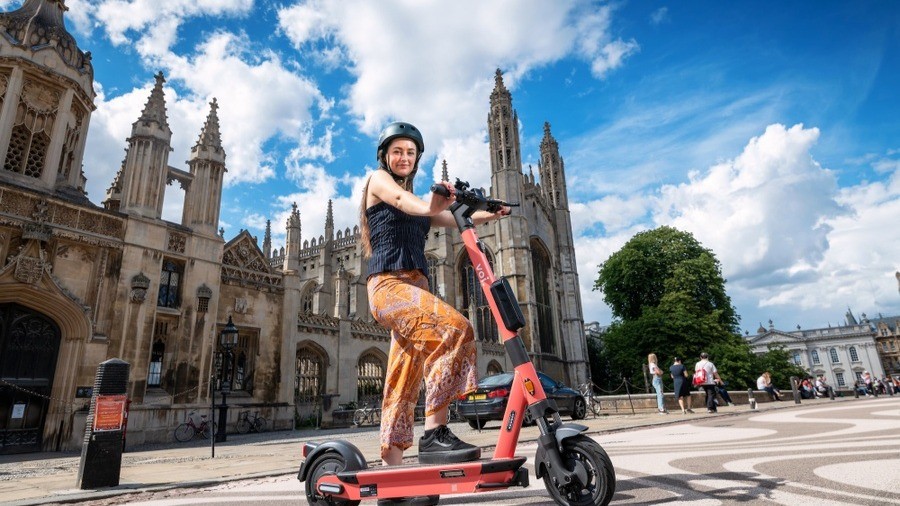
Cambridge, in my own Authority area, has been a pioneer in this space, thanks to its VOI e-scooter trial. The results have been nothing short of impressive, marking another step forward in the city’s commitment to sustainable and active travel. Year-on-year data reveals a 22% increase in rides, accompanied by a 28% rise in the total distance travelled, showcasing the growing popularity of this eco-friendly mode of transport among residents and visitors alike.
The environmental benefits are equally impressive. The e-scooter initiative has contributed to a significant reduction in emissions, cutting an estimated 173 tonnes of CO2 equivalent (CO2e) and 33.5 kilograms of particulate matter (PM2). These reductions highlight the role of e-scooters in tackling air pollution and lowering the city’s carbon footprint, further aligning with Cambridge’s broader sustainability goals.
The recent expansion of the trial will further cement its role as an integral part of the city’s transport network, offering a convenient and sustainable alternative to short car trips. For many users, e-scooters and e-bikes have provided newfound freedom, enabling them to move quickly and efficiently without the hassle of traffic or parking.
Beyond convenience, micromobility also brings substantial environmental benefits. By reducing reliance on cars for short journeys, these vehicles contribute to lower greenhouse gas emissions and improved air quality. Cities like Cambridge, which are grappling with congestion and pollution, stand to gain significantly from widespread micromobility adoption. Moreover, the physical activity involved in using these vehicles, especially e-bikes, aligns with broader public health goals, encouraging active travel and reducing sedentary lifestyles.
While the promise of micromobility is compelling, its implementation is far from straightforward. One of the most pressing issues is safety. The shared use of urban spaces by pedestrians, cyclists, and micromobility users often leads to conflicts. Inadequate infrastructure exacerbates this problem, forcing e-scooter and e-bike riders to navigate busy roads or cluttered pavements. This has led to accidents and raised concerns about the safety of both users and bystanders.
Addressing safety concerns requires a multi-faceted approach. Education campaigns can help promote responsible riding behaviour, while investment in dedicated infrastructure, such as protected bike lanes, can create safer environments for all road users. Additionally, technology can play a role, with geofencing and speed restrictions ensuring that vehicles are used appropriately in different areas.
Another challenge lies in the physical infrastructure needed to support micromobility. The lack of designated parking and charging stations often leads to cluttered pavements, as users abandon vehicles wherever it is most convenient. This not only inconveniences pedestrians but also undermines the perception of micromobility as an orderly and efficient mode of transport. To address this, cities must invest in well-designed parking solutions that integrate seamlessly with the existing urban fabric.
Equity and accessibility are also critical considerations. While app-based rental systems are convenient for many, they risk excluding individuals who lack access to smartphones, credit cards, or the digital literacy required to navigate these platforms. Ensuring that micromobility services are inclusive and accessible to all segments of the population is essential for their long-term success.
The regulatory environment surrounding micromobility in the UK is, to put it mildly, complex. Outside of approved trials, e-scooters remain illegal for use on public roads. This creates a paradox: a mode of transport with proven benefits and significant public demand is simultaneously championed and restricted. The English Devolution White Paper has added a new dimension to this debate, granting Combined Authorities the power to regulate micromobility within their regions. While this presents an opportunity to tailor policies to local needs, it also introduces additional layers of complexity and potential inconsistency across regions.
Cambridge’s VOI trial provides valuable insights into how these regulatory challenges can be navigated. The trial’s success in reducing car journeys underscores the potential of micromobility to drive meaningful change. User satisfaction has been high, with many praising the convenience of app-based rentals and the expanded coverage that allows greater access to these services. These positive outcomes highlight the importance of creating an enabling regulatory framework that supports innovation while addressing safety and operational concerns.
For micromobility to reach its full potential, it must be integrated into a broader transport ecosystem. This vision of a seamless network involves linking micromobility with buses, trains, wheeling, walking, and cycling to create a cohesive system that caters to diverse needs. Imagine a commuter who steps off a train, unlocks an e-scooter parked nearby, and arrives at work within minutes – all through a single app that integrates routes, schedules, and payments. This level of integration would not only enhance convenience but also increase the accessibility of jobs, services, and social opportunities for people across the region.
Following the publication of the English Devolution White Paper, the role of Combined Authorities in facilitating this integration cannot be overstated. By aligning micromobility policies with broader transport strategies, these Authorities can ensure that small vehicles complement rather than compete with existing modes of transport. For example, incentivising the use of e-scooters for last-mile journeys to and from public transport hubs could help boost ridership on buses and trains, creating a virtuous cycle of increased usage and investment.
Trend data holds the power to shape the future. For example, the VOI trial in Cambridge has provided a wealth of data that can inform future micromobility initiatives. One notable finding is the significant reduction in car journeys (over 342k car trips replaced), with users consistently choosing e-scooters for short trips that would otherwise have been made by car. This shift has not only eased congestion but also contributed to a measurable improvement in air quality. The expansion of the trial has further demonstrated the scalability of micromobility solutions, with increased coverage enabling more residents and visitors to benefit from these services.
Public feedback from the trial has also highlighted areas for improvement. While many users appreciate the convenience and sustainability of e-scooters, concerns about safety and parking remain prevalent. Addressing these issues will require a combination of infrastructure investment, technological innovation, and robust regulation. For example, the introduction of designated parking zones and enhanced safety features, such as automatic speed reduction in high-risk areas, could go a long way in addressing user concerns.
Of course, micromobility has its lighter moments. Who hasn’t seen a commuter in a suit wobbling uncertainly on an e-scooter? These quirks are a reminder that innovative technologies often come with a learning curve. However, they should not detract from the serious potential of micromobility to transform urban transport.
As we stand on the cusp of a micromobility revolution, it is time to ask some hard questions about the road ahead. For users, how can you take personal responsibility for safe and considerate use of micromobility options, ensuring they remain a viable and welcome part of the urban landscape? Are you willing to shift your habits and embrace new modes of transport that prioritise sustainability over convenience?
For policymakers and operators alike, what will it take to create a unified, forward-thinking regulatory framework that balances innovation with public safety? How can you ensure that micromobility is accessible to all, not just the tech-savvy or well-off? And are you prepared to invest in the infrastructure needed to support this burgeoning mode of transport? Finally what role will technology play in improving user experiences and reducing operational challenges?
Finally, for governments, how do you reconcile the legal restrictions on micromobility with the clear demand and benefits demonstrated by trials? Are you ready to empower local authorities to take bold action, or will regulatory inertia hold back progress?
The answers to these questions will determine whether micromobility becomes a cornerstone of sustainable, integrated transport systems or remains a niche solution with unrealised potential. One thing is certain: the journey ahead will require collaboration, innovation, and a willingness to embrace change. With the right approach, these small wheels can indeed drive big change, transforming the way we move and live in our cities.
Tim Bellamy is Assistant Director – Transport at Cambridgeshire & Peterborough Combined Authority
Tim originally published this article on LinkedIn on 9th January 2025
Feature Image: Author sourced
On Thursday 8th May we’re hosting EMISSIONS & AIR QUALITY Smart Class 2025 in Leicester. This event will show key buyer side stakeholders how they can deploy the latest digital technology-enabled solutions, data-driven strategies, policies and best practices to improve urban air quality and drive down emissions and air pollution in our cities and regions.
Qualifying delegates can register here for a free place (see website for summary of qualifying stakeholders).
Up to 5 innovation sponsorship slots are available for pioneering software/technology solution vendors and consultancies to showcase their innovations and thought leadership by representing a priority topic – “e-scooters key role in reducing emissions/tackling air pollution”, for example! – in the presentations, Q&As and hosted roundtable sessions. Drop us an e-mail if you’d like to discuss this opportunity further with a member of our team!