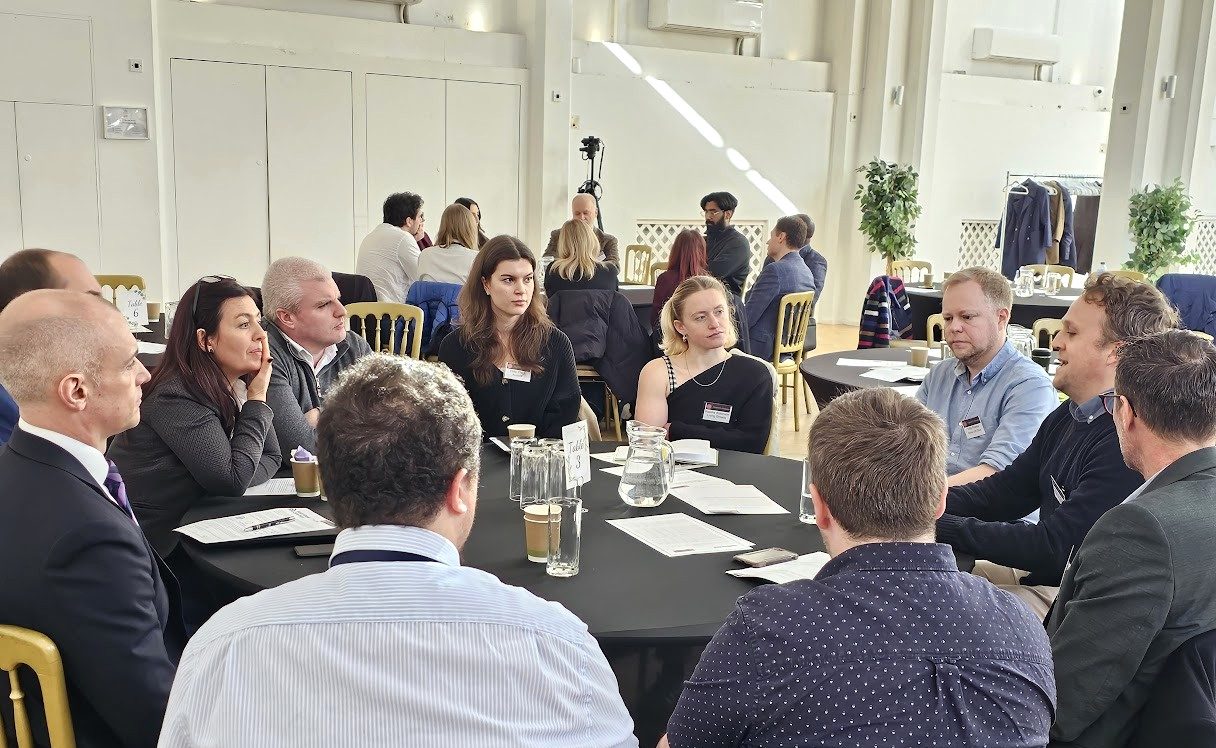
Walk Wheel Cycle Trust provide advice and consultancy to make walking, wheeling and cycling safer and easier. They are trusted by public and private sector partners to deliver projects that transform routes, spaces and travel habits.
Senior Engineer Lorenzo Ciancarini joined us again at TRANSPORT Smart Class, Midlands 2026 to explore how Minecraft can be used as a joyful, accessible tool for engaging young people in engineering thinking and placemaking design. Drawing on recent projects, Lorenzo demonstrated how virtual modelling supports child‑led insight into street layouts, movement, safety, and public space quality.
His presentation and subsequent roundtable sessions highlighted how blending digital play with hands‑on engagement and local conversations can spark collective imagination, build stronger relationships between young people and their surroundings, and inspire more responsive, community‑rooted active travel and public realm improvements.
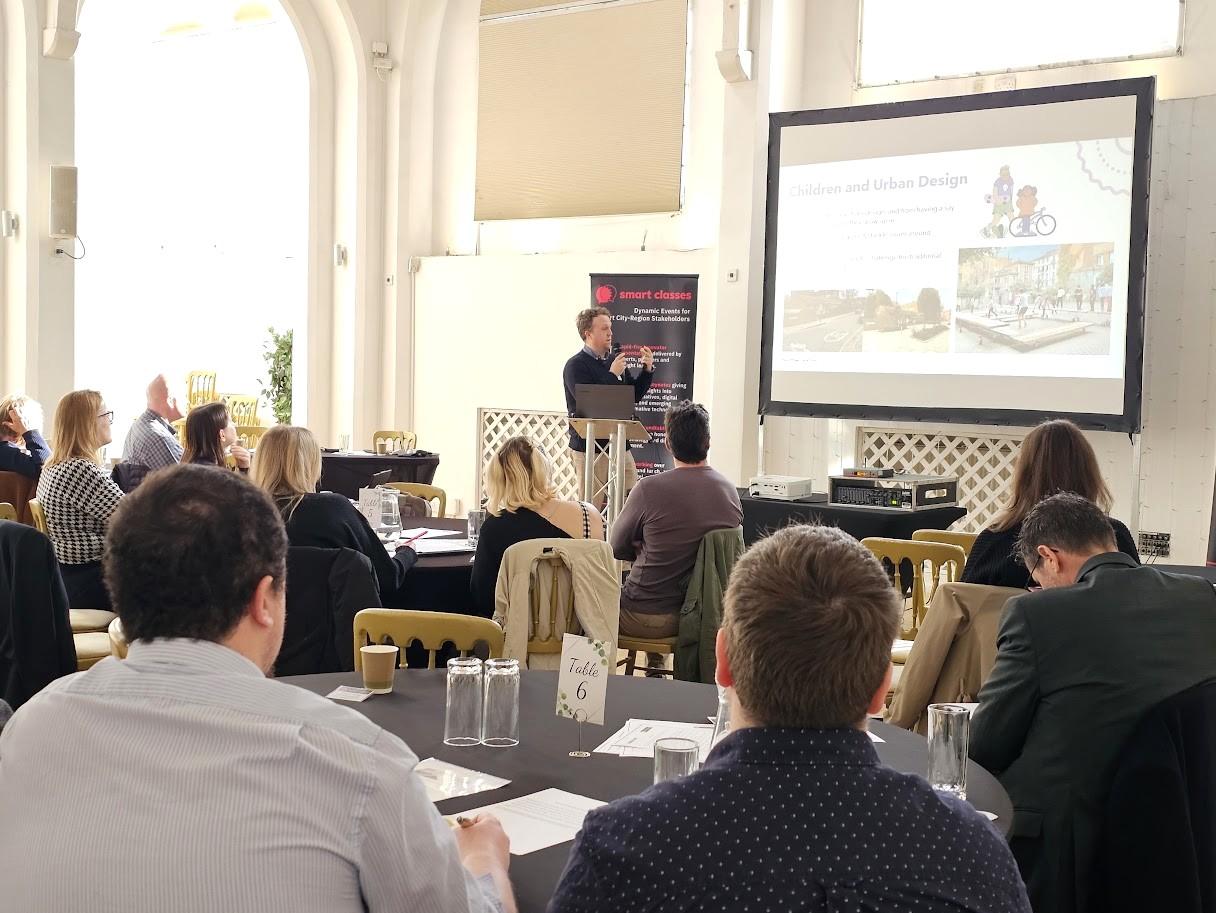
Presentation highlights and notes:
- Walk Wheel Cycle Trust (WWCT), formerly Sustrans – Same charity, same people, same goals; Just a different name and branding;
- Streets today – Streets make up more than 80% of the public space in our cities and are an incredible resource; What are the demands on this space?
- There’s a lot of competition for space in our streets: Moving – Private cars, Buses, Commercial vehicles, Cycle users, Pedestrians, Waste collection, Emergency vehicles; Static – Spaces for business deliveries, Bus stops, Parking bays, Street furniture (benches, postboxes, signage, lighting), Utilities (above and below ground), Cycle parking;
- Thinking holistically…
- Children’s Walking and Cycling Index 2024 (23 cities surveyed) – This Report makes it clear that more people want to see active travel improvements and more people want to see improvements in street environments e.g. 15% of people want to drive more, 50% of people want to walk and wheel more, 43% of people want to cycle more;
- What percentage of residents think that these changes would help them walk or wheel more? 72% Wider pavements; 72% More frequent road crossings, with reduced wait times; 78% Nicer places along streets to stop and rest, like more benches, trees and shelters; 74% Better pavement accessibility, like level surfaces, dropped kerbs at crossing points; 68% Fewer cars parked on the pavement; 71% Less feat of crime or antisocial behaviour in their area;
- Benefits to economy, health and connectivity – Living Streets ‘The Pedestrian Pound. 3rd Edition’ (2024) reveals that: 95% of London business improvement districts (BIDs) agreed that a safe, attractive walking environment is good for business; 41% of disabled pedestrians consider the UK’s streets to be inaccessible; 41% of people reported increased well-being after using a parklet in London; 44% of people in Scotland walk to local shops daily or several times a week; the introduction of default 20mph speed limits in Wales is estimated to have saved the Welsh NHS just over £92m in the first year alone – nearly three times higher than the implementation costs;
- So there’s lots of demand on nice spaces; lots of evidence around nice spaces improving health and wellbeing; and lots of evidence around needing more accessible, safe, streets that unlock opportunities;
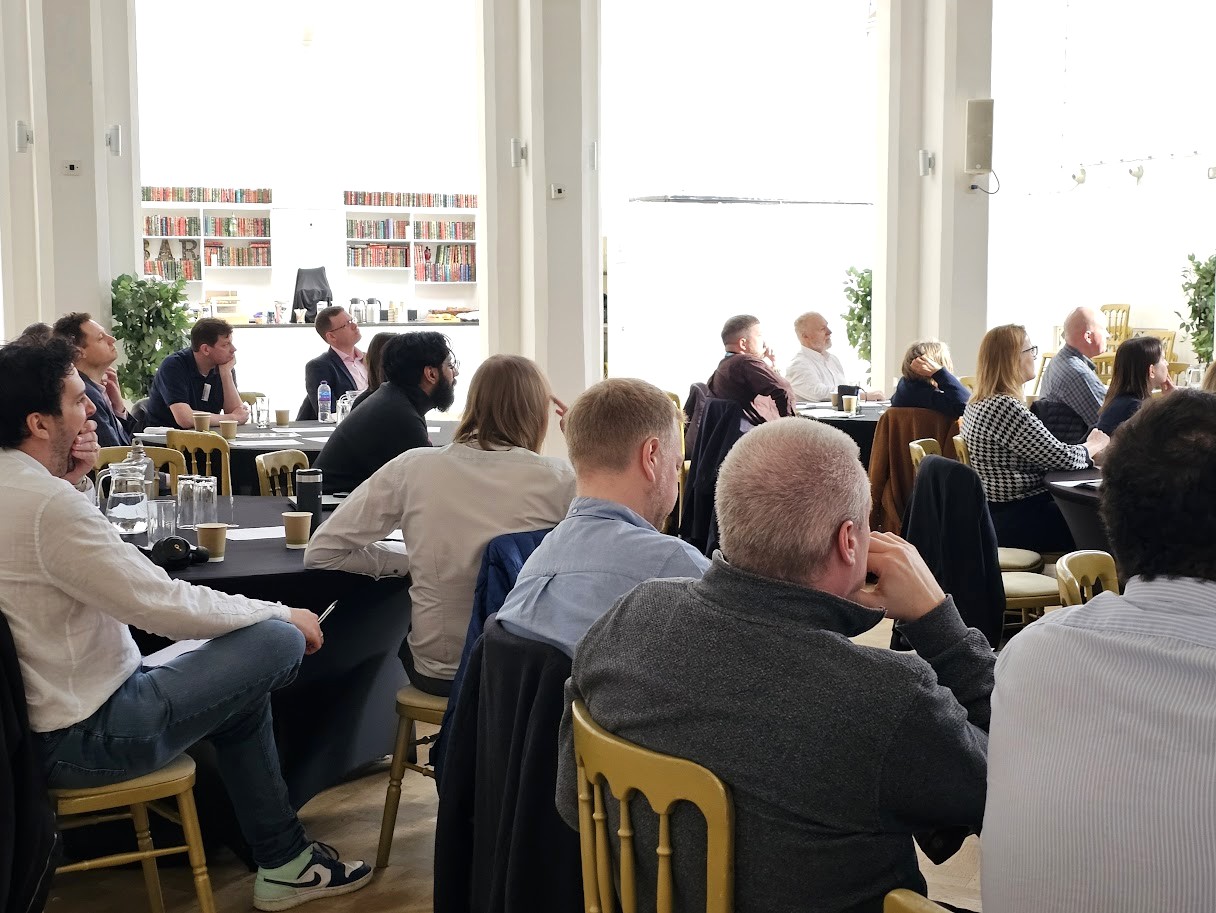
- Children and Urban Design…
- Children’s exclusion from design, and from having a say in the environments they grow up in; School streets as a space to tackle issues around exclusion; School streets as a place to challenge the traditional definition of a street;
- We focus on children in urban design because they are among the most vulnerable road users, yet their needs reveal what makes places safe, inclusive, and liveable for everyone; Engagement is vital because children’s perspectives – often overlooked – bring creativity, authenticity, and lived experience that shape healthier, more human-centred environments; The quality of public space in urban and
suburban spaces is crucial for the physical, social and cognitive development of young children and as opportunities of outside play; - School streets are a good entry point to focus on these conversations, thinking about wellbeing, health, social interaction and what we want from our most valuable public space, the street; Children are less independent and more exposed to traffic dangers. Designing for them ensures safer streets, crossings, and play areas, which benefit all residents; When children and their families are part of the design process, they feel invested – This builds long-term support for active travel and public space improvements;
- School Streets…
- School streets is an all-encompassing term – Traditionally tackle congestion and improve air quality at the school gates, particularly at drop off and pick up times, making it easier and safer to walk and cycle to school; London boroughs have delivered hundreds of them over the years, though the original concept started in Italy;
- Most of the focus of school streets has been on temporary timed closures – Limited to timed closures during pick up and drop off hours usually through signs, cameras or gates; Tackles idling, congestion & air pollution (temporarily); However, does not provide additional benefits beyond timed closures (air pollution, street environment etc); Low place making value;
- However, there’s a lot more opportunity for wider and more permanent street transformations around schools – Wherever possible, look for opportunities to create permanent closures and the potential to truly transform streets; Road space reallocation, creating a sense of place, flipping the priority of streets to put children first, improving safety and accessibility; Changing children’s relationship with their urban environment, residents and parents too; Long term mode shift change to active travel is also part of the aims; Can be complementary to a timed closure;
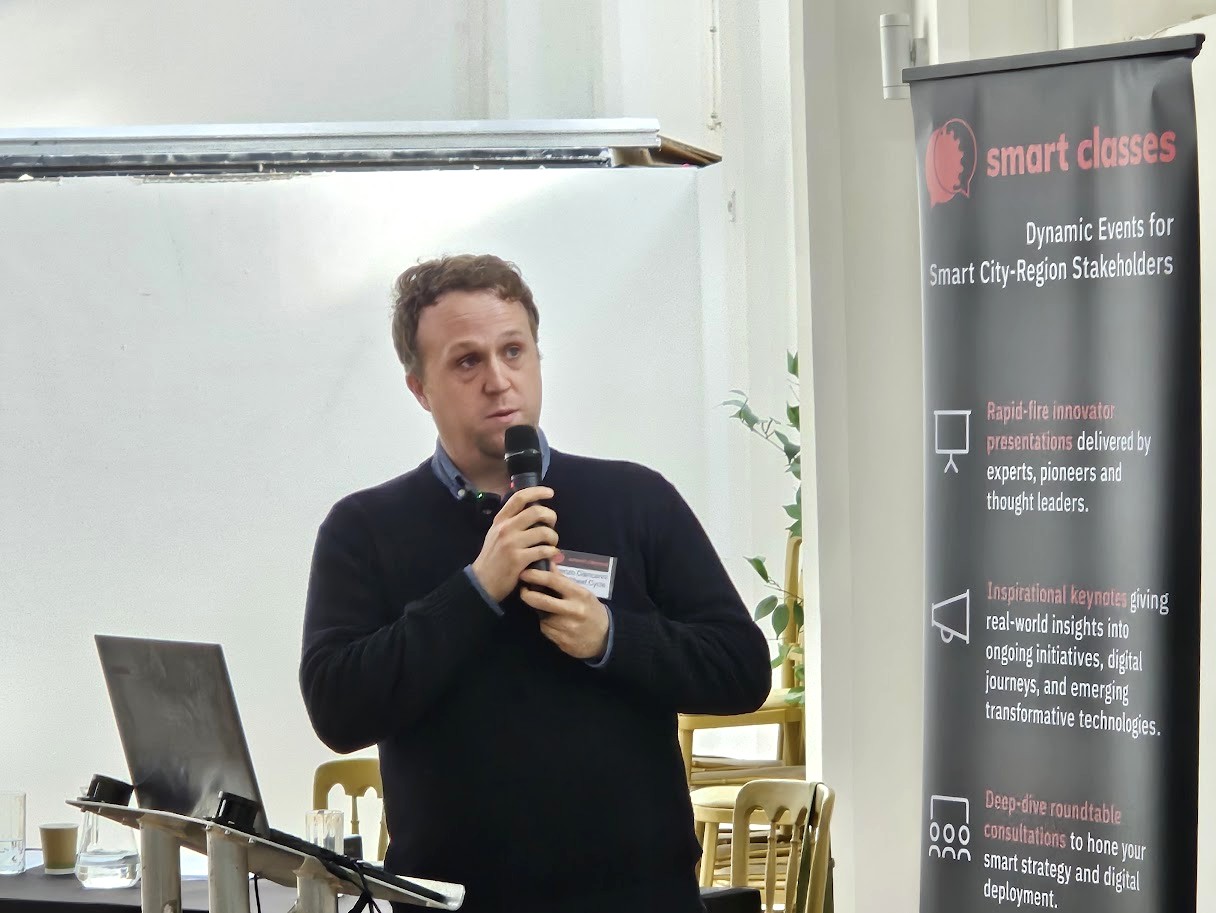
- Westminster SS: Minecraft as a street design and engagement tool with students and local authority engineers…
- To place children at the heart of school street design, WWCT has been championing creative engagement with young people, and one of the tools they have been using for several years is Minecraft, a 3D sandbox game that allows you to build infinite worlds;
- This is an example where WWCT worked with Westminster Council on 5 school streets, delivering 1) Healthy Streets Audits 2) Minecraft focused design workshops 3) Early concept designs focused on student’s ideas;
- The five schools in Westminster: St. Joseph’s, St Saviour’s, St George’s, St Gabriel’s, and Pimlico Primary;
- Most of these school streets already had timed closures; WWCT’s focus was on child-led design, expanding scope from timed closures to design more ambitious school streets, permanent street transformations, and ensuring children’s ideas were brought to life; Another consultancy would value-engineer them and progress until construction, due to existing Framework;
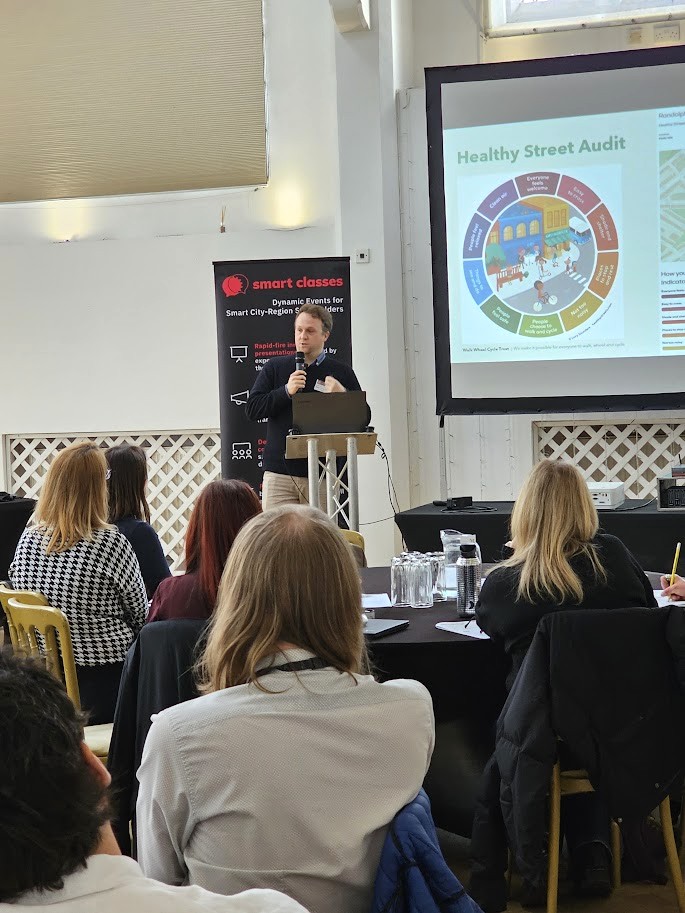
- Healthy streets audits conducted around the streets in each school to help highlight issues and low scoring areas – ideally this would be done with students as well; These were discussed with the students along with “a brainstorm of what we could improve in the weaker areas (in the case of Randolph Avenue, for example: excessively wide carriageway, domination of parked vehicles, substandard pavement at crossover) before going into Minecraft; Giving children tools and critical discussion around the street and improvements before they jump into design”;
- In the first group discussion pupils were asked to give their thoughts on what makes a street healthy. Their responses are summarised in the diagram on the slides; Pupils thoughts focused on safety for cyclists and pedestrians and social spaces for the community;
- Base model – Lorenzo spent a few days building the school models, so the kids could start working on their improvements immediately…”2 days of work playing on Minecraft”;
- Children intuitively use this video game to re-imagine their environment – a co-learning process takes place through which engineers and designers learn how to use the tool from the children;
- Something can go wrong – “Don’t be fooled, it’s not all roses and sunshine. Things can go wrong with this. Some children are so good at this game that, within the first 2 minutes, they unlock a secret world with dragons. And another one set the model to fire at the end of the session, while others may have just read Jack and the Beanstalk”;
- Engagement to Design…
- Translating designs – One of the important things WWCT did was have the students summarise their design proposals and features, which were then collectively discussed and prioritized, with students presenting reasons why certain features should be more important than others;
- WWCT compiled examples of design features and transformations to bring the students’ ideas to life; These have been grouped into themes and correspond to design elements in the concept design drawings e.g. Safer crossings, Shade and shelter, Places to rest, Quiet and calm, Active travel, Safety, Relaxing spaces, Clean air;
- Minecraft was a really good way to go into more detail around the children’s design ideas and options and really allowed WWCT to understand how the students were thinking about their designs through discussions during the workshop, and children summarizing their design proposals; WWCT combined observations from the healthy streets audit, as well as the students’ design ideas and comments that came out in the workshops to develop early concept sketches that aim to integrate the students’ ideas into the school street environment and provide an opportunity to re-imagine the school street as a more child friendly environment;
- What’s Next?
- Wide Engagement & Raising Ambition: Hounslow School Streets – A recent example of exemplar school street projects that WWCT worked on with the London Borough of Hounslow; Took a long time to convince them of the value of extensive co-design as well as
pushing the ambition with the school streets, but got there eventually; Extensive engagement with students and wider school community over multiple stages; Allowed WWCT to garner buy in from wider groups, including residents, and respond to specific issues; - Car Free Day Play Street – One really positive way of helping people reimagine the street was car free day; 300% increase in people walking and cycling on the school street that day – via street cameras;
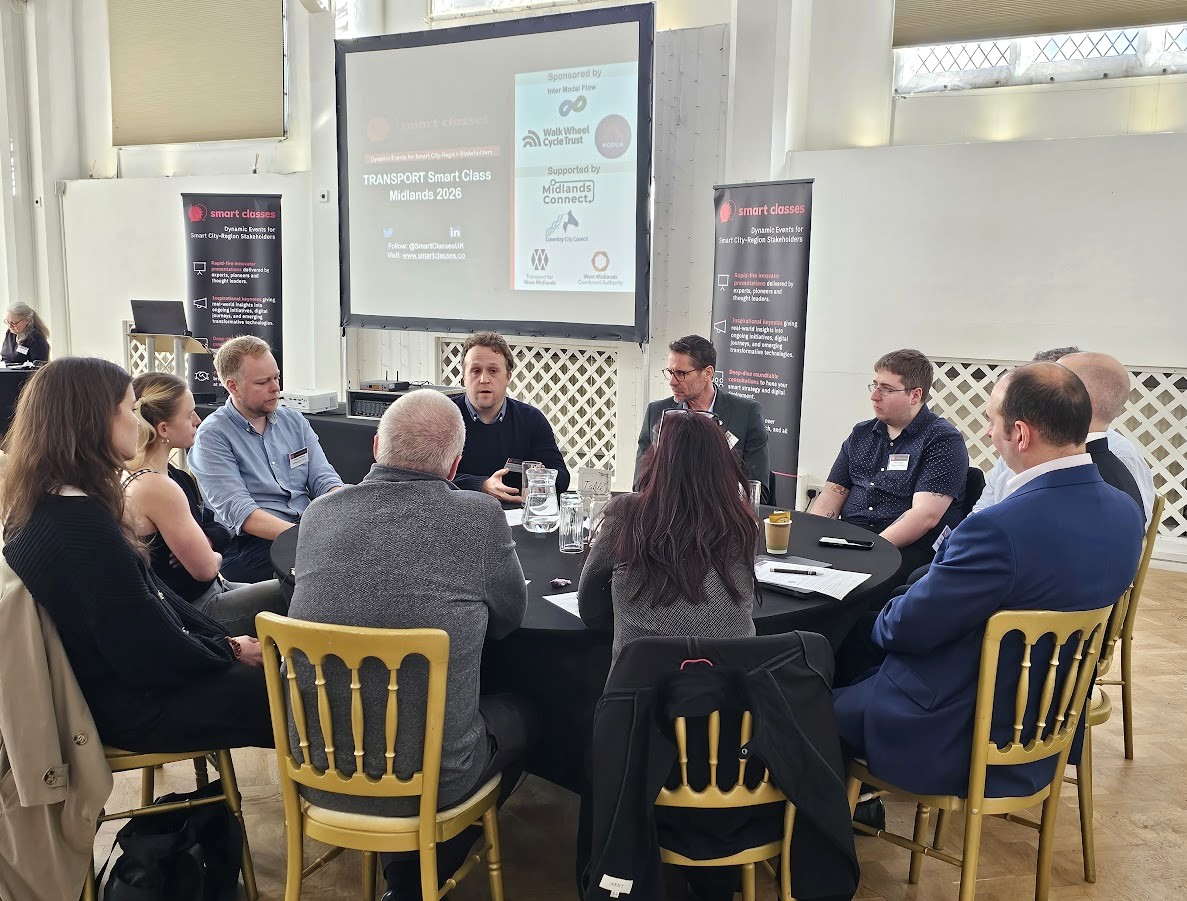
- Extensive collaborative design – Pupil’s workshops; Pop ups, design sessions; Whole School Collaborative Design; Collaborative design, surveys; Teachers’ Codesign session; Local Community Centre Pop-up; “Allowed us to go into details of specific locations and zones in the school street area”;
- Co-design Preferences Outputs – Widening Footway, Informal seating & play space, Streetside seating, Rain gardens, Raised tree bed with seating, Raised planter with seating edge; Based on people’s preferences in the discovery stage for what they’d like to see in
different zones as well as the emerging themes, “we used these to develop early sketch designs for each school. Went back to the school community in a test phase. Testing specific design suggestions and themes in different parts of the street. Combined all of this together. Outputs by type of stakeholder. Allowed us to pick up on differences. Examples around tensions of including seating and waiting areas between residents and parents. Tensions around parking removal, which we addressed through a parking survey”; - Parking Surveys – Bring data into engagement conversations; Address concerns; Create space for bolder ambition;
- Engagement Tools – Also developed 3D sketches which helped people reimagine the spaces better; People need different ways of understanding and looking at spaces – not everyone good with a 2D plan;
- School streets as road space reallocation projects – Differences huge; Moving from quite a car dominated street environment – even if no heavy traffic, to a space that completely challenges the traditional hierarchy and functionality of a street; Street as an extension of the school, public space; Talk about how some of the design elements came from the engagement; Going back to the point of road space reallocation; School streets as an opportunity to reimagine streets completely, and practice child led design a bit more meaningfully;
- Test and Design…
- What happens in situations where timed closures are not a possibility?
- Several years ago, WWCT worked with Lambeth council to transform New Park Road outside Richard Atkins school from a car-dominated and parking-dominated street into a much safer and more pleasant environment; This was a good example of the importance of permanent transformations, what they mean to young people, and the involvement of young people in shaping their streets; Lambeth asked WWCT (Sustrans as was) for speed calming to deter driving and enhance placemaking;
- Stakeholder group – WWCT ran pop ups and organised collaborative design workshops – “Ownership by coming up with solutions”…”They informed us about issues and recognised something had to be done to create a pleasant environment. They suggested the need for a zebra crossing (not the vision) to pull creativity from the local people”;
- Using elements of shared space that blur the boundaries (see slide photos) – Buildouts to narrow the carriageways and accommodate crossing – Also to deter vehicles; Decorated with colour (school spilling out); Circles increase in frequency to highlight informal crossings; Cars approach with caution and low speeds (new environment that is tight and difficult to drive through); Trees placed in the middle of the street bring greening back to the street;
- After a long stakeholder engagement process, multiple concept designs, and securing additional funding to deliver a more ambitious scheme, WWCT organised a live trial using the street kit; This really highlighted the value of trials in engagement both for young people but also for community; People were shocked that children were using the carriageway space;
- Key recommendations for taking a more holistic approach to improving our streets…
- Project focus – Placing children at the heart of the conversation; School streets as an entry point into conversations around road space reallocation;
- Engagement – Focusing on wellbeing and health as topics that resonate with a wider range of people; Deeper and broader engagement;
- Design approach – Looking for permanent transformations and road closures where possible; Developing a network of school streets; Starting from the first principles of street use; Possibility of improvements in any environment;
- Further information (accessible via slides) – Walk Wheel Cycle Trust Further Design Examples/’Design Portfolio & Case Studies London 2025′;
- Additional Reading – ‘Movement – how to take back our streets and transform our lives’; ‘Soft City: Building Density for Everyday Life’; ‘The Pedestrian Pound 3rd Edition’; ‘Walking and Cycling Index 2023’.
If you satisfy our regular delegate qualification criteria but were unable to join in Birmingham on February 25th for the live in-person event at The Old Library, CLICK HERE and complete the short “Download form” (located at the bottom of the post) to receive a unique link enabling free access to the presentation video recordings and slides (including the film footage and slides from Lorenzo’s initial presentation).
Those qualifying to receive the rich presentation content from this event include commissioning, procurement, trialling, partnering and policy leads, senior influencers, strategic decision makers, programme managers and planners from local authorities (e.g. city, borough, metropolitan, district and county councils); public transport operators; regional transport partnerships, sub-regional transport bodies, combined authorities, integrated transport authorities and passenger transport executives; highways authorities and road operators; government and supporting national transport agencies; non-governmental organisations; fleet operators, parking operators, prime contractors etc.