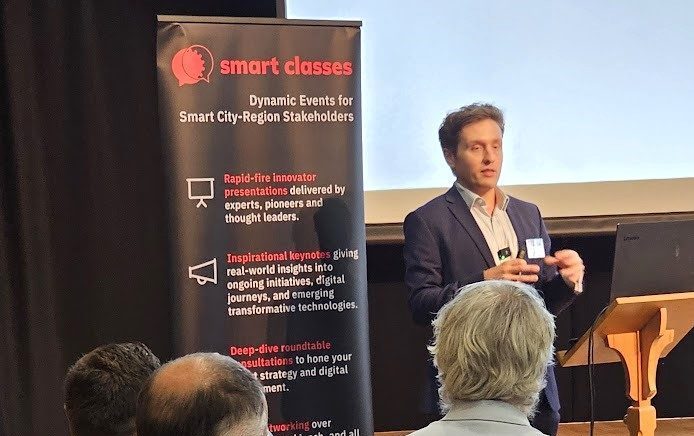
Transport for the South East was established in 2017 to determine what transport infrastructure is needed to boost the region’s economy. The partnership is made up of 16 local authorities, five LEPs plus representatives of district & borough authorities, protected landscapes and national delivery agencies.
Keir Wilkins, Head of Programme and Policy, joined us at TRANSPORT Smart Class, London & South East England 2024 to explore the opportunities and challenges of a new government for TfSE and other sub-national transport bodies:
“Sub-national transport bodies are now well established, with Transport Strategies in place feeding into their Strategic Investment Plans. This means sub-national transport bodies are well placed to help the new government deliver its ambitions. TfSE are also continuing to support our local authorities to help them deliver on their increasingly ambitious agendas, at a time of challenging public finances. With the Government driving forward rail reform and developing plans for further devolution, sub-national transport bodies”, concluded Keir, “are perfectly positioned to bring together local, regional and national government, to help deliver a better integrated transport network for the future”.
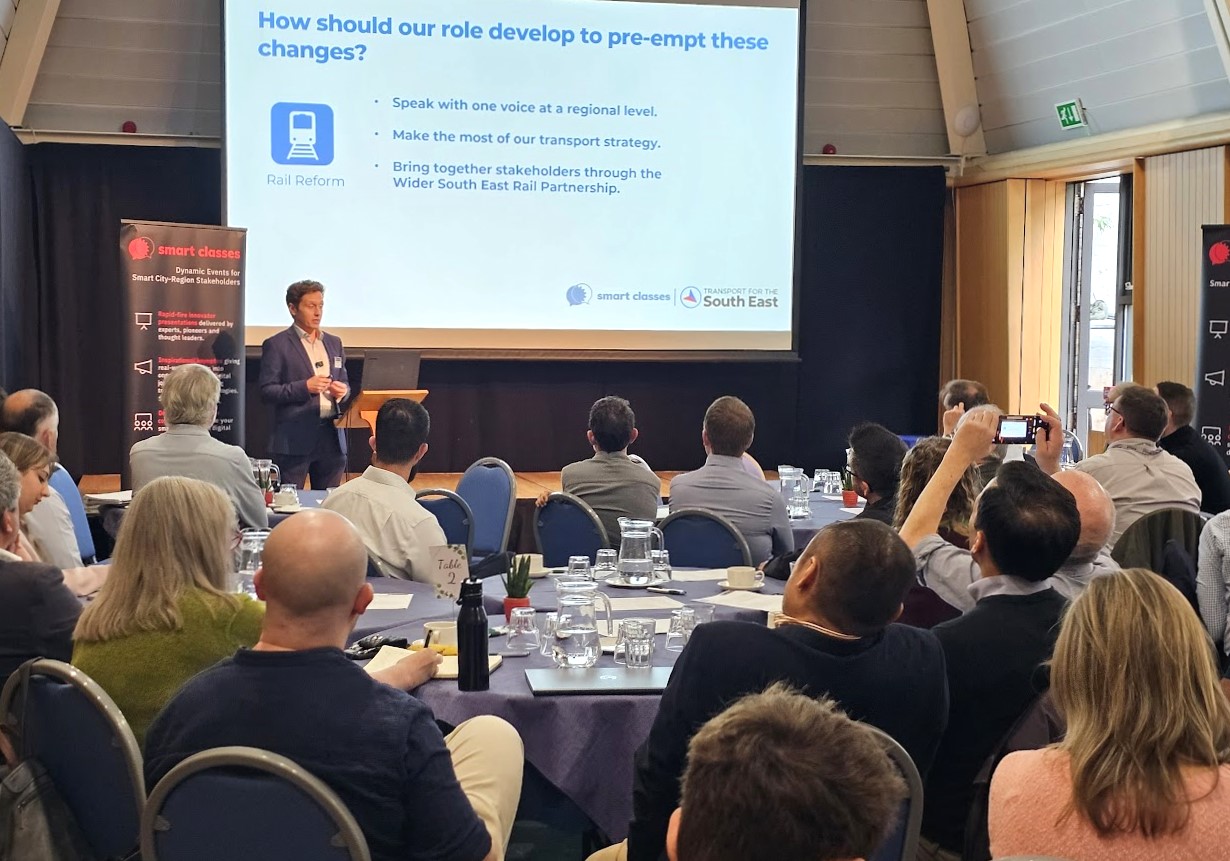
Summary of presentation highlights:
- What are Sub-National Transport Bodies?
- Sub-National Transport Bodies (STBs) cover all of England, apart from London, and support the government’s aims to level-up the country;
- In addition to Transport for the South East (TfSE), the other STBs include Transport for the North (TfN), Midlands Connect, England’s Economic Heartland, Transport East, Western Gateway and Peninsula Transport;
- STBs are by their nature spatially focused, and bring together stakeholders/local leaders in each region, representing local government and business and operators, working with DfT and other government departments;
- STBs support the government’s decarbonisation and other objectives e.g. Bus Back Better and LTP delivery by joining up local plans across a wider geography, to capitalise on economies of scale and ensure coherence across local authority borders;
- A framework for a place-based approach helps government identify transport schemes to invest in;
- As part of this, the STBs are working to turn national priorities into actionable plans for their region;
- STBs are at different stages of development. Some have delegated authorities, some are not e.g. TfN vs TfSE;
- The main focus of all STBs is to produce coherent transport strategies and strategic investment plans (SIP) or their equivalent to support economic growth, improve the health and wellbeing of their population and protect and enhance their environment, contributing to the government’s goal of Net Zero by 2050;
- TfSE works closely with their neighbouring STBs on cross regional issues like Lower Thames Crossing, freight and access to ports, airports and national and international rail links;
- A common legislative framework – The Cities and Local Devolution Act 2016 defines STBs role as “Transport Strategy”, “Advising Government”, “Co-ordinating transport” & “Seeking additional powers and roles”;
- TfSE do not expect the new Government to change the policy framework underpinning STBs. But “as the policy landscape changes, it will affect how we deliver our role”;
- How will the policy landscape change?
- 1) Devolution; 2) Rail Reform; 3) Planning Reform; 4) Infrastructure Investment;
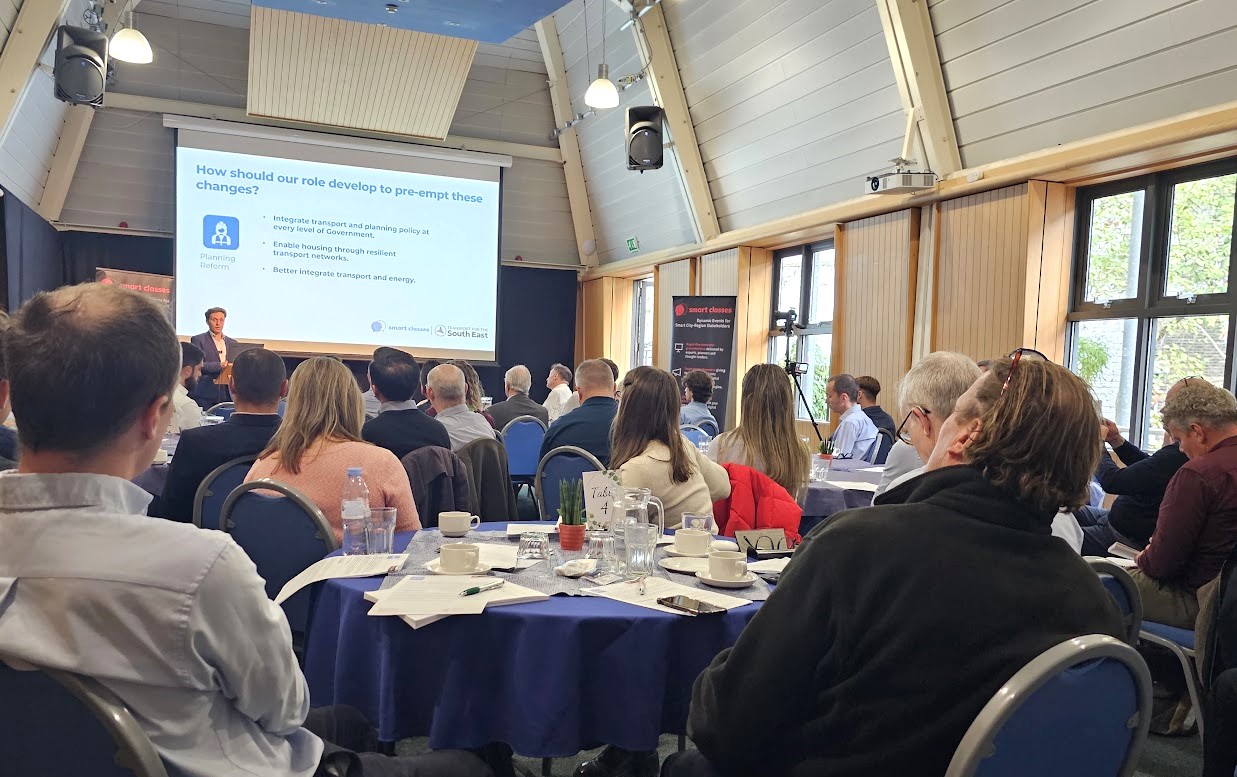
- How should the role of TfSE and other sub-national transport bodies develop their role to pre-empt these changes?
- Re Devolution – Supercharge our support through our Centre of Excellence; Work closely with Local Authorities on possible powers; Be the constant in a changing landscape;
- Re Rail Reform – Speak with one voice at a regional level; Make the most of our transport strategy; Bring together stakeholders through the Wider South East Rail Partnership;
- Re Planning Reform – Integrate transport and planning policy at every level of Government; Enable housing through resilient transport networks; Better integrate transport and energy;
- Re Infrastructure Investment – Prioritising investment to meet Government priorities; Reflecting financial situation; Helping to facilitate private sector funding and financing
If you meet our regular delegate qualification criteria but were unable to join us at Greencoat Place Conference Centre, London, for the live in-person event on October 10th, CLICK HERE and complete the short “Download form” (located at the bottom of the post) to receive a unique link enabling free access to the presentation video recordings and slides (including the film footage and slides from Keir’s keynote).
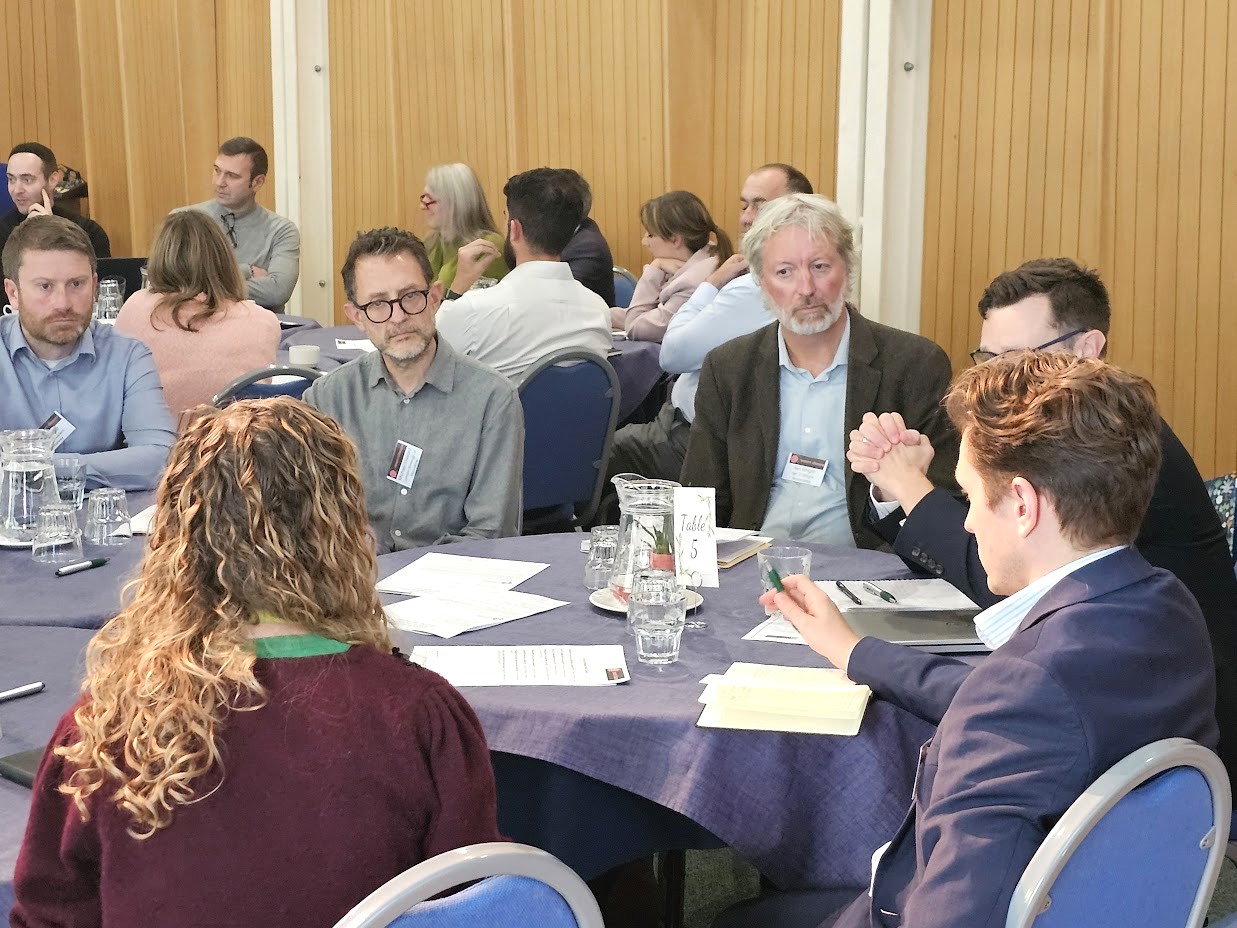
Those qualifying to receive the rich presentation content from this event include commissioning, procurement, trialling, partnering and policy leads, senior influencers, strategic decision makers, programme managers and planners from local authorities (e.g. city, borough, metropolitan, district and county councils); public transport operators; regional transport partnerships, sub-regional transport bodies, combined authorities, integrated transport authorities and passenger transport executives; highways authorities and road operators; government and supporting national transport agencies; non-governmental organisations; fleet operators, parking operators, prime contractors etc.