
Andrew Summers is Chief Executive at Transport East, the Sub-national Transport Body for Norfolk, Suffolk, Essex, Southend and Thurrock, with a vision for “a thriving Eastern region with safe, efficient and net zero transport networks advancing a future of inclusive and sustainable growth for decades to come”. As a partnership, Transport East brings together local transport and planning authorities, and business leaders, alongside national delivery agencies, speaking with one voice on the issues of transport and infrastructure investment, working closely with Central Government.
The new Government has set a fast pace for change, with a clear set of priorities for transport, focused on bus, rail and greener transport, greater integration, and geared towards boosting economic growth, decarbonisation and social inclusion. But how can this be delivered in places outside of large Metro areas, like the East of England?
Andrew’s keynote at TRANSPORT Smart Class, London & South East England 2024 examined these challenges through the lens of the recently published Transport Strategy for the East, exploring the evidence base and initiatives underway in the region, to provide our audience with valuable insights to help progress this agenda across other parts of the country.
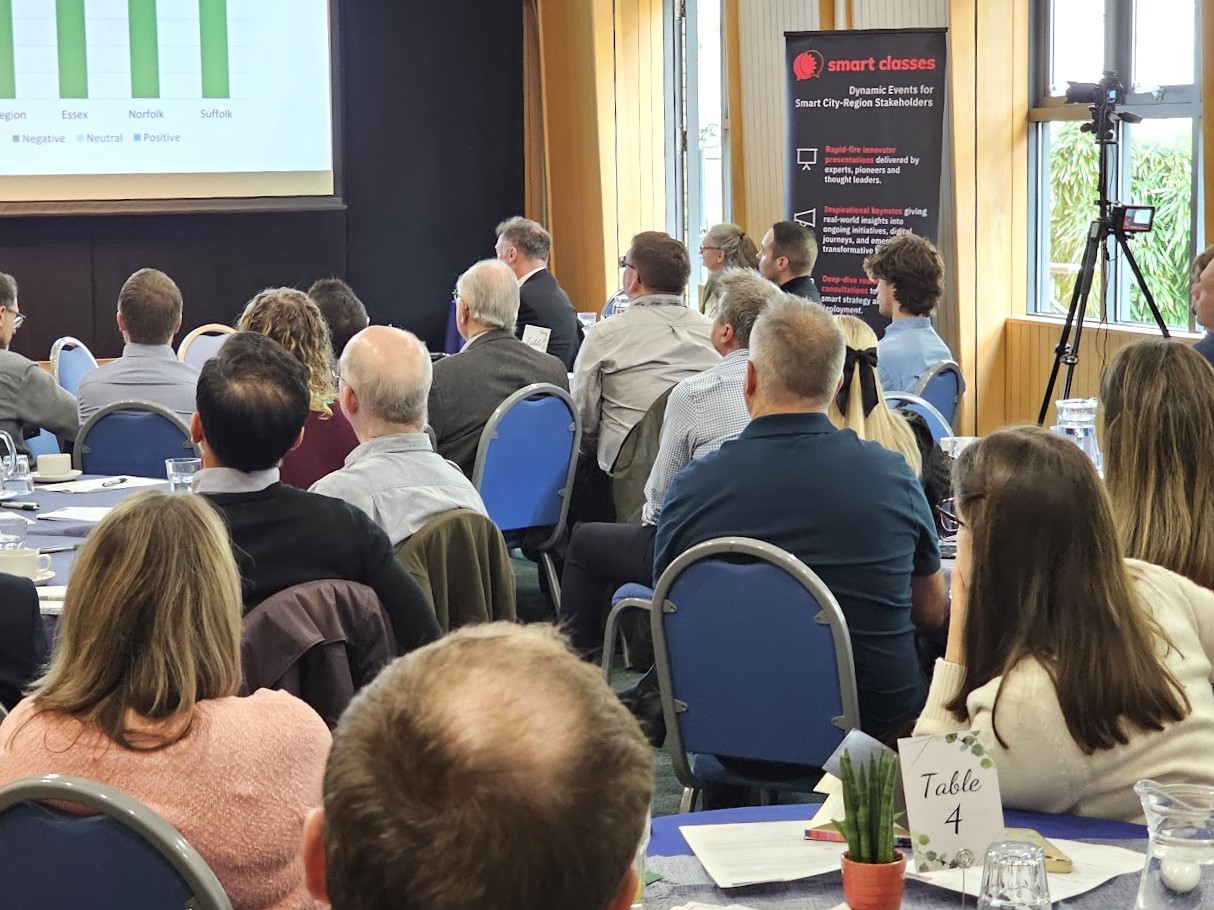
Summary of presentation highlights:
- Transport East – 1) Strategic Transport Partnership for the East (Norfolk, Suffolk, Essex, Thurrock and Southend) – Local Transport Authorities, Planning Authorities, Chambers of Commerce, National Highways, Network Rail and DfT 2) Role – Transport Strategy; Strategic Investment Programme; Capacity and Capability; Advocacy as a Single Voice;
- The East – Driving the Security of the UK Economy: Opportunity East (July 2024) – How the East of England (EoE) will drive national productivity through innovation; Energy security and Net Zero – EoE is key to the UK achieving its net zero ambitions; International Gateway – EoE is home to two freeports and four major airports; National food security – EoE is a major food producer and innovator; A Net Contributor to the Exchequer;
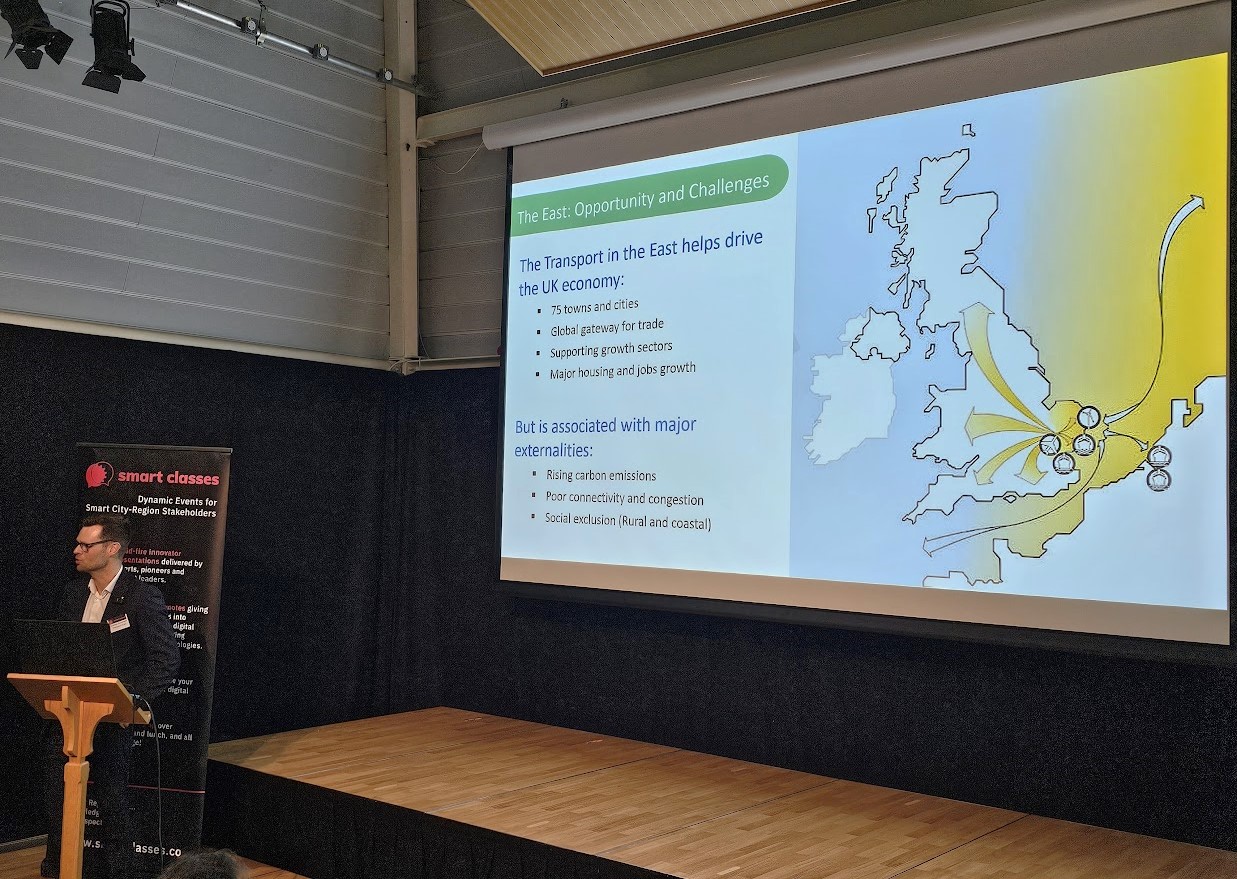
- The East – Opportunity and Challenges: The Transport in the East helps drive the UK economy – 75 towns and cities, Global gateway for trade, Supporting growth sectors, Major housing and jobs growth; BUT is associated with major externalities – Rising carbon emissions, Poor connectivity and congestions, Social exclusion (Rural and coastal);
- Net Zero Challenges – With 42% of all emissions, the East has the highest % carbon emissions of all UK regions; Freight is high – nearly 50% of all transport emissions; Rural transport accounts for 48% of emissions; Mt of CO2 per year from transport emissions in the East, 2018-2050 (Source: Energy Systems Catapult for Transport East) – Graphic (see video and slides) comparing the figure based on BAU (do nothing), Current policy and committed funding, ‘78% by 2035’ (UK 6th Carbon Budget) and Net Zero by 2040 (aggressive shift beyond Paris agreement);
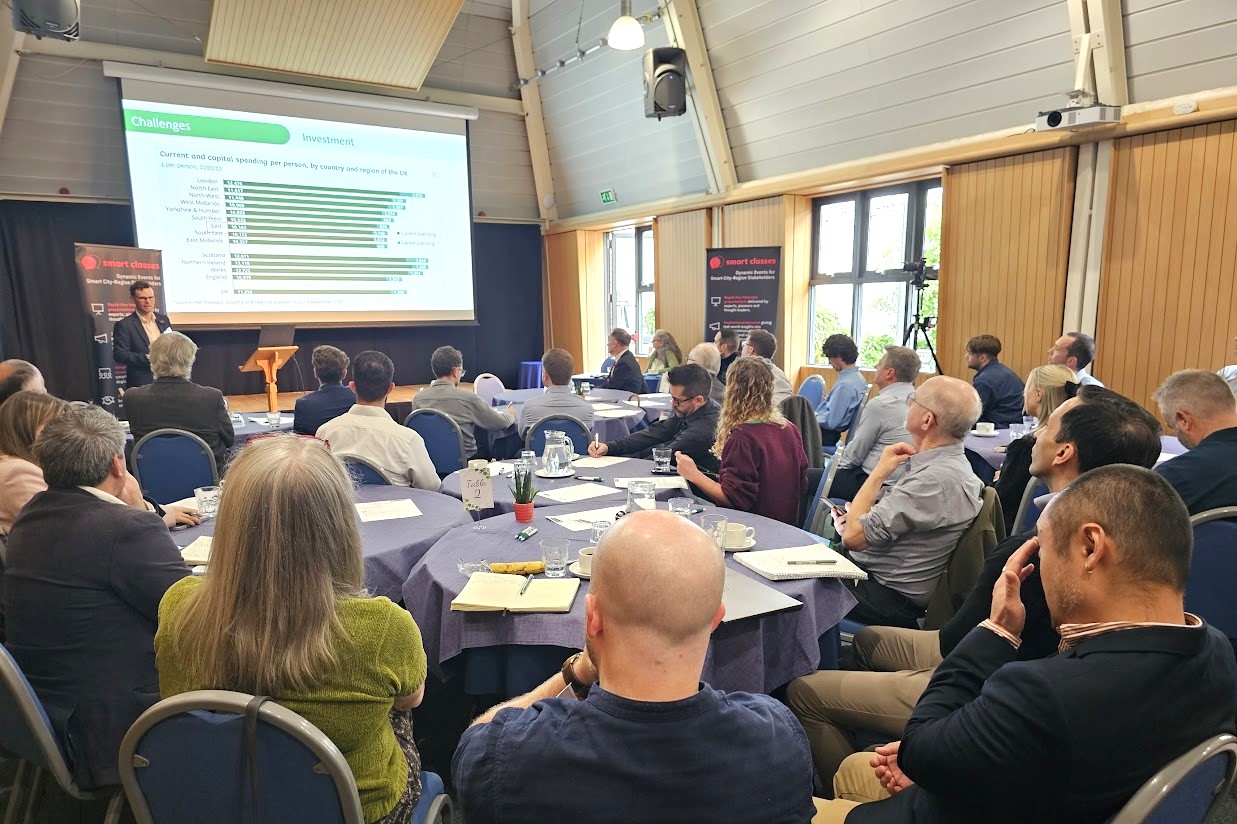
- Economy and Connectivity Challenges – Supporting UK trade; Delays and Congestion; Inter-urban connections; Travel within towns, cities and business clusters; Uncompetitive rail journey times (see Map showing how far from London you can travel within 1 hour and 2 hours); Poor East-West rail connections; Lack of rail freight capacity;
- Accessibility and Social Exclusion Challenges – One third of EoE residents live in rural communities; 2/3 of those live in a Transport Desert; Without a private car, they cannot access education, training, services and jobs; This is compounded by digital exclusion; NB. Map depicting Transport Deserts and Broadband Connectivity in the East of England;
- User Dissatisfaction Challenges – Transport East’s 2023 survey of parish councils across the East reveals negative perception of transport/key issues around Buses and Rail;
- Investment Challenges – Current and capital spending per person, by country and region of the UK: Current spending per person, 2022/23, is lowest in the East (see HM Treasury, Country and regional analysis graphic for full comparison and figures);
- Transport for the East Strategy – Re Net Zero, “to tackle climate change and improve our local environments”;
- Government – A New Landscape: Rachel Reeves’ (MP, Chancellor) focus is ‘Fixing the Foundations’ and five priorities for Louise Haigh (MP, Secretary of State for Transport) are Rail, Bus, Social inclusion, Greener Transport and Integration; STBs are leading regional transport through a rapidly evolving regional/national landscape – Advice to government on priorities (Budget 2024 and Spending Review 2025); Transport Reform (Rail and Bus); Integration; Decarbonisation; Rural Mobility; Supporting Deeper Devolution;
- Strategic Rail – Connecting the East – East-West, Inter-urban, Service Frequency, Freight and Airport surface access; Ely/Haughley Junctions, East West Rail and Connectivity to London; Transport East ‘State of Rail’ Report (Feb 2023) reveals key gaps in the Transport East region – See Map depicting Journey time gaps, Journey time aspirations, Frequency, Capacity, Lack of direct services, No direct infrastructure, High frequency diesel services;
- Strategic Rail – Ely and Haughley Junctions: Ely Area Capacity Scheme – main blockage for rail freight on the Felixstowe to Midlands Rail Corridor; Would allow 2900 extra freight services from freight to/from Felixstowe; Removes 98,000 lorries per year from A14;
- Accessibility and Rural Transport Centre of Excellence – Rural Connections Report launched in Houses of Parliament on March 11th; Strategic Recommendations for Central, Regional and Local Government include: Long term capacity and capability/funding for local authorities; Greater role for ‘Social Value appraisal’; Regulatory ‘sandbox’ trials for the East; Integrated passenger transport, and local walking and cycling;
- Decarbonisation and Electric Vehicles Charging Infrastructure – A huge increase of EV charging infrastructure is urgently needed to meet demand: For high EV uptake EoE needs x 10 current chargers 2023-2025 and x 30 by 2040; Propensity to own an EV (see Map from Transport East EV: Ready Report) varies significantly by location e.g. Lower than average propensity in Norfolk, especially in rural areas; Grid supply is a key issue;
- Integrated Transport: A New approach to Planning – East of England Connectivity Study: Created of new ‘Agent Based Model’ for the East; Focuses on people and good movements (not vehicles); Test against future growth scenarios; Focus on outcomes (Net Zero, Social Inclusion, Economy); Identify strategic gaps, now to 2050; Develop the next generation of strategic transport; Phase 1 to be published shortly;
- Devolution and Transport East as a Devolution Partner – No MCAs in the East; All local authorities work through Transport East – joined-up thinking for better delivery: Devolve decisions to ‘places’; Longer term and greater funding; Powers for local authorities and region;
- Summary – The East is a driver for the UK Economy – Trade, Energy, Food. Transport network needs significant improvement. Transport East’s Transport Strategy prioritises: Decarbonisation to Net Zero, Connecting Growing Towns and Cities, Energising Rural and Coastal Communities, Unlocking International Gateways. They are working with Government to deliver these priorities.
If you meet our regular delegate qualification criteria but were unable to join us at Greencoat Place Conference Centre, London, for the live in-person event on October 10th, CLICK HERE and complete the short “Download form” (located at the bottom of the post) to receive a unique link enabling free access to the presentation video recordings and slides (including the film footage and slides from Andrew’s keynote).
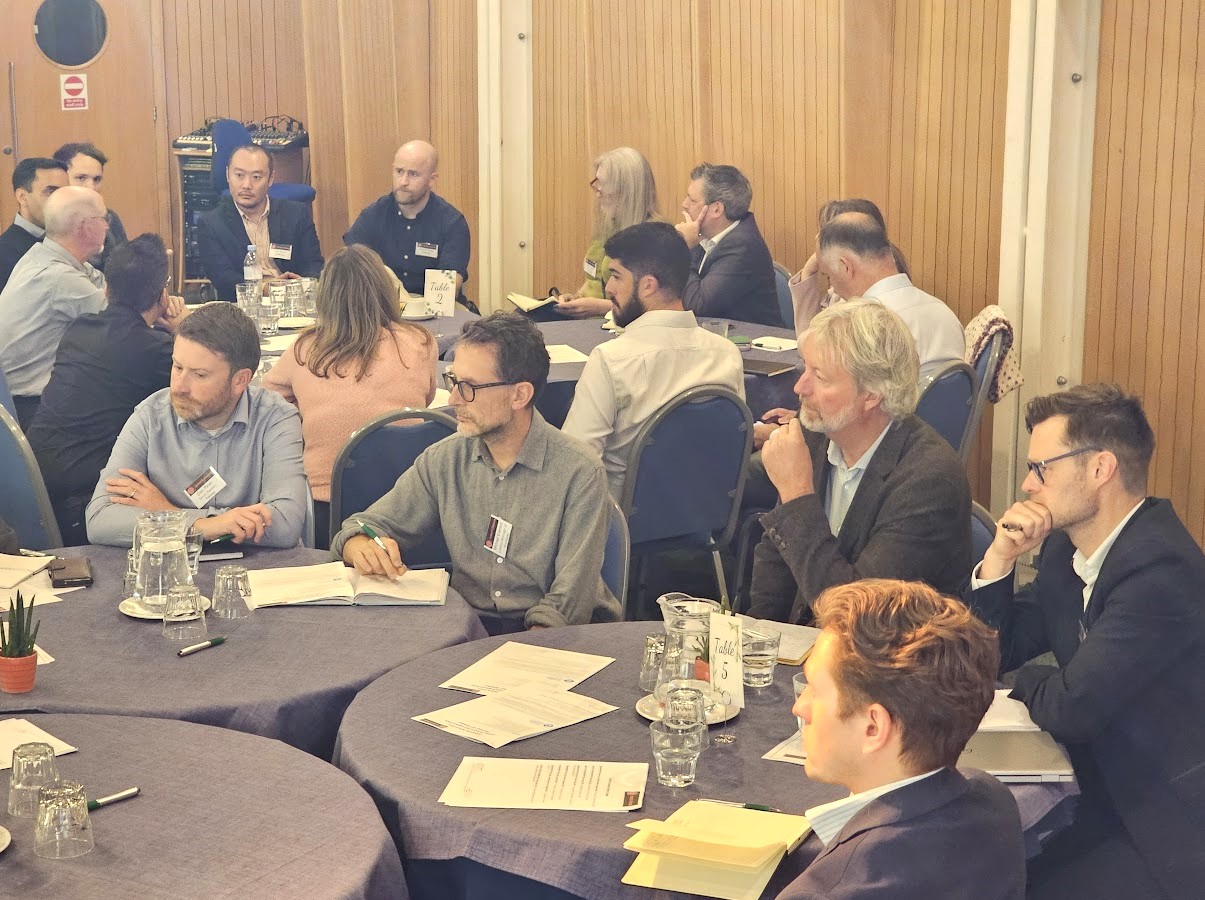
Those qualifying to receive the rich presentation content from this event include commissioning, procurement, trialling, partnering and policy leads, senior influencers, strategic decision makers, programme managers and planners from local authorities (e.g. city, borough, metropolitan, district and county councils); public transport operators; regional transport partnerships, sub-regional transport bodies, combined authorities, integrated transport authorities and passenger transport executives; highways authorities and road operators; government and supporting national transport agencies; non-governmental organisations; fleet operators, parking operators, prime contractors etc.