
The innovation economy has been one of the defining features of the last economic cycle. How places can draw on their assets, ecosystem or expertise to make a new location for innovation work, discovery and job creation has rapidly become a worldwide preoccupation for cities, local governments, regions and nations.
Around the world there are now more than 500 places – be they districts, neighbourhoods, corridors, or clusters of buildings – that have been recognised or designated as hubs of innovation within their region. More than 80% of these are in cities and metropolitan areas – these places accommodate a growing portion of an innovation economy that has been re- urbanising in recent decades. What nearly all of them share is an objective to optimise how they are physically configured and orchestrated in order to achieve economic and social outcomes for their community, their city or their region.
Newcastle Helix was originally conceived as a “science city”. A partnership between Newcastle City Council, Newcastle University and Legal and General, it has become more recently defined as a centre for Data, Ageing and Life Sciences with a vision to help people live better lives. Today it is home to 3 National Innovation Centres, The National Green Infrastructure Facility, The Urban Observatory, 4 commercial buildings and a District Energy Centre. The smart tech that is in use makes Helix and the wider city, one of the most measured and analysed locations in the UK.

The region’s huge achievements in technological and industrial development make it a prime case study of a modern industrial city. Its great distance from the capital makes it a prime case study of a provincial city. But how can we ensure that all of this data and research is put to the right use? How can it have a direct impact on public sector decision and policy making? On investment decisions within the private sector? And how does the Helix Partnership continue to ensure that the right onward investment and long term vision continues to be shared to deliver what it set out to achieve?
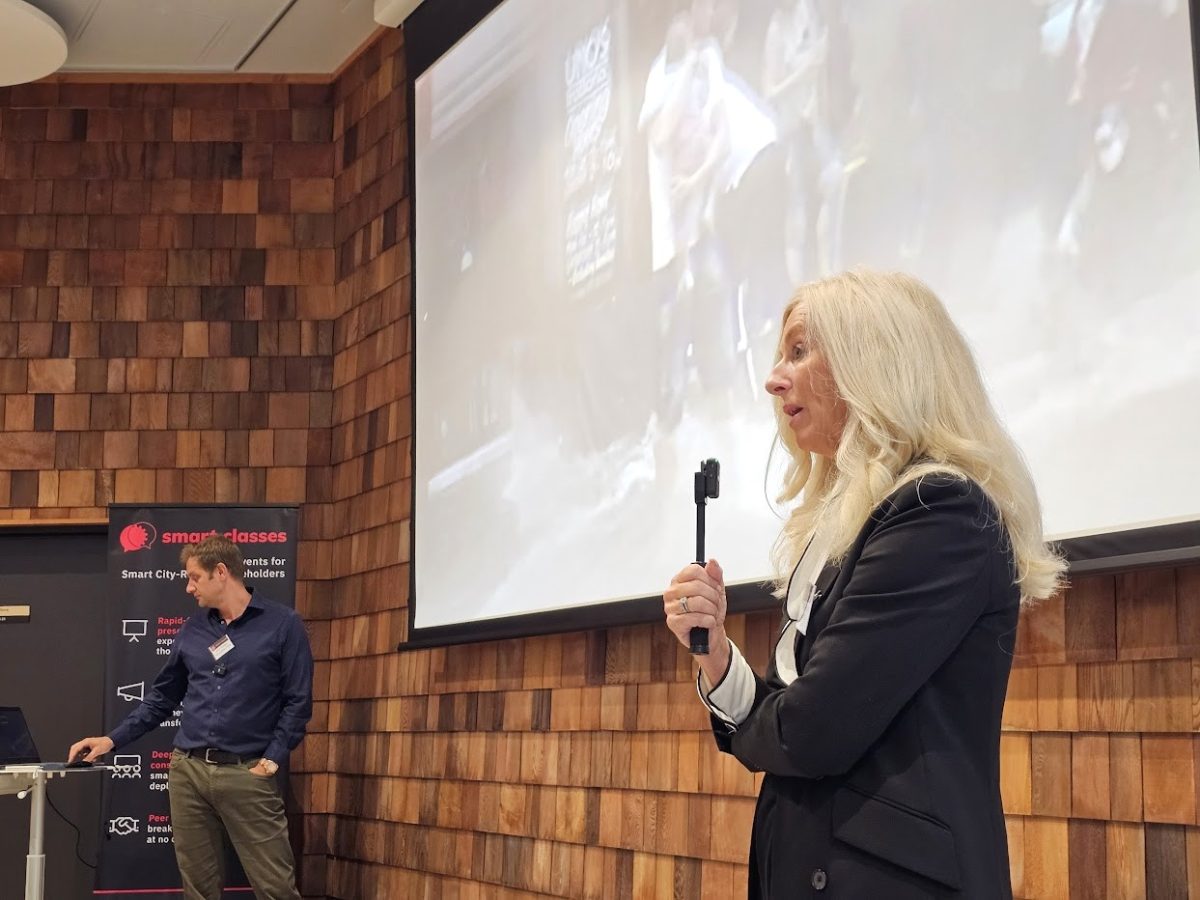
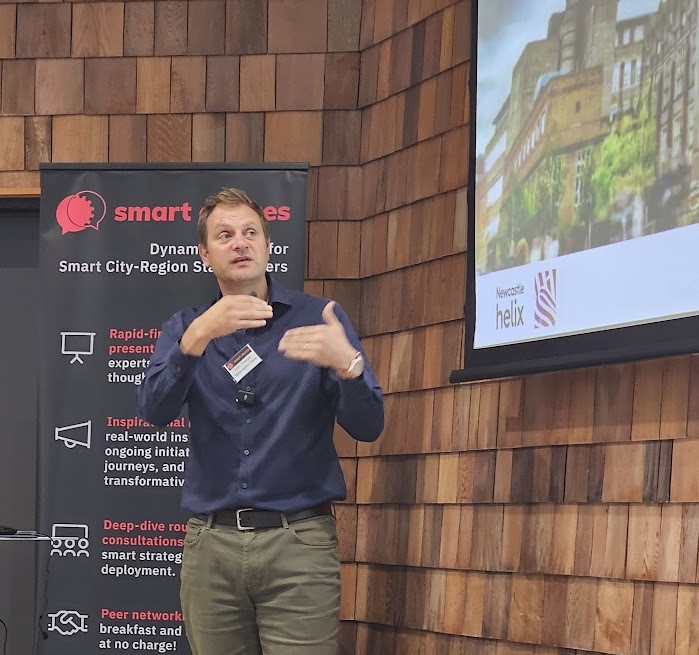
Michelle Percy is Director of Investment and Growth at Newcastle City Council, and has been an integral part of the Helix Partnership over the past decade. She oversees the functions of Planning, Highways, Property, Major Projects, Housing and Commercial, so is key to how the city continues to grow and thrive, and to ensuring that the wealth generated by the city benefits every resident as part of an inclusive economy. John Seager is Estates Director at Newcastle Helix. For the past two decades he has worked in senior leadership roles on behalf of public private partnerships, helping ensure that investment aspirations, developments and property portfolios achieve their financial and social potential. Michelle and John teamed up to co-present the opening keynote at PUBLIC REALM & URBAN SPACES Smart Class 2024. Together, they provided a comprehensive journey through the evolution of Newcastle Helix, the integration and use of the smart tech that provides the foundations for the Innovation District, the practicalities of managing and using that tech to assist with partnership decision making and the value that brings to achieving the partnership’s long term goals.
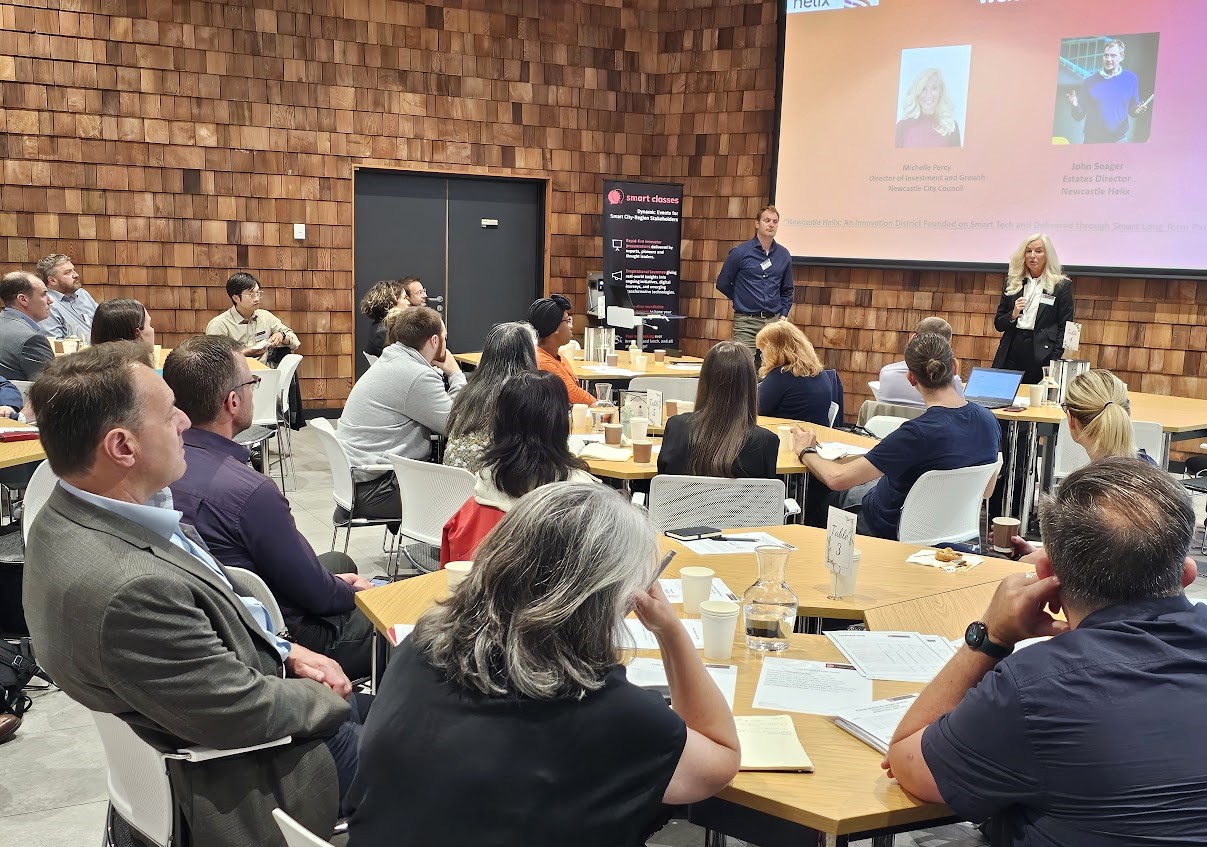
Summary of Michelle and John’s keynote highlights:
- City of Newcastle overview – Population of 2.7 million within an hour drive; One of the UK’s top 10 healthiest cities; Voted one of the friendliest cities in the UK; 1,000 acres of open green space in the heart of the city centre; Top 10 urban place for work-life balance and employee satisfaction; Residential property prices are 37% less than the UK average;
- Introducing Newcastle Helix – A 24-acre Innovation District where world class research and academia co-exist and mix with businesses, to drive forward knowledge generation and bring general ideas to market; Based on the quadruple helix of public, private, education and community working together; In line with how the smart city concept has developed, robust relationships between expert stakeholders are just as essential as the digital innovation – “Infrastructure, regeneration and private sector-public sector partnerships are so inextricably linked that unless you have them successfully merged together and dovetailed you have no hope of creating really good, sustainable, urban areas”;
- Some history – 1828, Pit-head of Elswick Colliery; 1890-2005 – Tyne Brewery in operation ~ 1 million bottles of Brown Ale p.a.; 2005 – Site purchased, City Partnership initiated; 2008 – Old Brewery demolished; 2013 – 40,000 tonnes of coal extracted from the site prior to remediation, allowing exploration around future power and heat generation; 2014 – Geothermal well, 2km borehole in 340m yr rock; 2015 – The first office building, The Core (aimed at SMEs), opens; 2017 – The Urban Science Building opens (home to Newcastle University’s School of Computing and the Urban Observatory); 2017 – Legal & General join the Partnership; 2018 – The Biosphere opens, providing commercial lab space for SMEs spinning out from the University (good churn of businesses across the ecosystem and impacting the demographic of businesses in the city centre); 2019 – The Catalyst opens (housing 3 Innovation Centres and a built to encourage collaboration and create a pipeline of new and emerging industries coming into this space); 2019 – The Frederick Douglass Centre opens; 2020 – The Lumen opens (90% let); 2022 – The Spark opens (60% let and including co-working spaces); Today – 9 Fully Developed Buildings on Site and 3 National Innovation Centres;
- Newcastle Helix Masterplan 2030 – Developing ideas to help make our lives easier, healthier, smarter and longer is the core theme; In addition to existing buildings, will include Rental Apartment Units (No.9) and Residential Plots (Igloo) and next phase (inc. site expansion) of The Biosphere;
- Where is all the data and smart tech coming from?
- National Innovation Centre for Data;
- National Innovation Centre for Ageing;
- National Innovation Centre for Rural Enterprise; National Institute for Health and Care Research – The largest set of health and care data in the UK is held here; Example of work – By analysing collated data, have managed to reduce the amount of antibiotics administered to children by 40%;
- National Green Infrastructure Facility – Important to urban drainage and achieving a holistic view of urban environments;
- National Centre for Energy Systems Integration;
- The Vision for a smart Newcastle: A Test Bed City – Cities are an immense laboratory of trial and error, failure and success in city building and design (Jane Jacobs); With the forms of data and smart tech already at our disposal we can begin to see the impacts on social, political and economic matters; Data comes from an infrastructure of transport and nature, and a “System of systems”;
- National Urban Observatory Facility Newcastle – Part of the UK’s largest open urban sensing network: >£8 million Capital investment; Billions of smart building observations; CCTV – 500 views, 500m+ images, 24 real-time feeds; 10 billion city observations/10,000 a minute; Only open data weather radar in the UK; 65 different variables;
- Urban Observatory Portal – The UK’s largest set of publicly available real-time (“second by second”) urban data; Free to download; Can assist organisations with deployment of sensors for their own research projects; Provides the tools to manage and visualise your data in real time; Allows us to use extreme weather events such as “Thunder Thursday”;
- Learnings from ‘Thunder Thursday’ – “The complexities and diversity of cities are driven by events – what happens in a city and how you respond to them”; Thunder Thursday, a first in 200 years “supercell thunderstorm”, caused millions of pounds worth of damage, devastating homes and businesses, leaving at least 23,000 homes without power, and throwing the transport network into chaos; These events are likely to become more frequent, so how does Newcastle manage and mitigate such flooding in the future for citizens and businesses? Attenuation tanks and rain gardens built into landscaping to hold water, slow its descent from the top of the city to the city centre and keep planting beds moist; Data from Thunder Thursday and other extreme weather events is now informing the Blue Green Strategy currently being developed for Newcastle – “This is really important as Smart Cities can be a force for sustainability – data emboldens the policy makers to make the hard decisions. It provides evidence of efficacy for interventions or not”;
- Smart parking – Rates of parking will influence where people are driving in the city. Newcastle can monitor that by the speed that people are driving through the city, where traffic is building up, the impact of different choices in different locations etc;
- Network flows – A conglomeration of dense data can reconstruct travel patterns. From ANPR traffic flows, Newcastle can simulate network disruptions to work out impacts;
- Newcastle also has real-time GPS data – “Buses are a data collectors dream because they can give you the exact same journey a number of times in completely different locations” and give you passenger numbers, informing you on rerouting of buses and impact on journey times;
- Noise monitoring and air quality monitoring – Impacts of big concerts or gatherings in the city centre are informing planning decisions;
- Pedestrian flow monitoring – The Urban Observatory can now look at Gait Analysis (the systemic study of human motion) which provides data on social behaviour, tells you how old people, recognises postural or movement-related problems that can cause dysfunctions/health issues, identifies what side of the street people are walking on, and helps inform retail choices (e.g. dwell time);
- HMRC’s move will bring up to 6,000 people into the city centre; Gait Analysis, putting data into stickmen etc can be really impactful and inform planning decisions such as whether to build high buildings in certain locations, providing the right infrastructure and accessibility for an ageing population etc;
- Real-time, privacy preserving pose estimation using edge processing – Applications: Gait Analysis; Feature detection – scooters, e-bikes, wheelchairs, prams; Understanding human scale interaction with infrastructure – e.g. seeking shade, preferred pathways; Ability to collect long-term patterns of health and movement;
- Continuing to be a Sustainable and Smart City – At-scale experiments; Ongoing research, maintenance and upgrading of sensors; Blue Green strategy -Urban resilience; Investment in CCTV and free public WiFi (launched in the Grainger market this year) which enables the gathering of data on footfall and informs the future of advertising and comms; Region-wide UK 5G Innovation Region (collaboratively through Sunderland City Council) with aspects of Smart City which are ongoing, including Smart Port (improve competitiveness, safety and environmental impact), AgriTech Automation (data from crop, soil livestock and environmental sensors), Connected Intelligent Transport Systems (road transport efficiency and connection), and Creative Industries (5G event production and 360 degree live broadcasting);
- Testing and Learning/What are the ongoing challenges? Keep Revisiting the vision; Are we delivering?; Placemaking, Place shaping and Engagement; Curating “serendipity” – Continuing to curate the buildings and the spaces between them; Having the right partners to continue developing ideas to help make lives easier, healthier, smarter and longer.
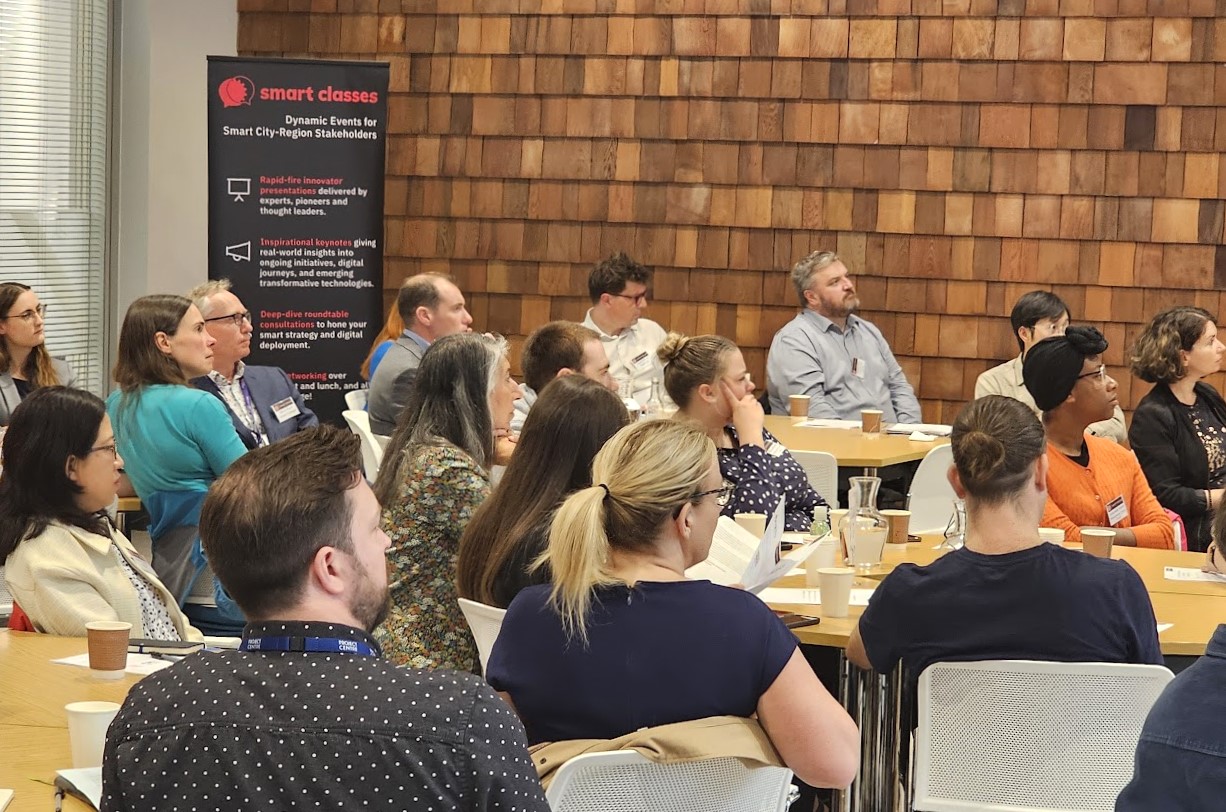
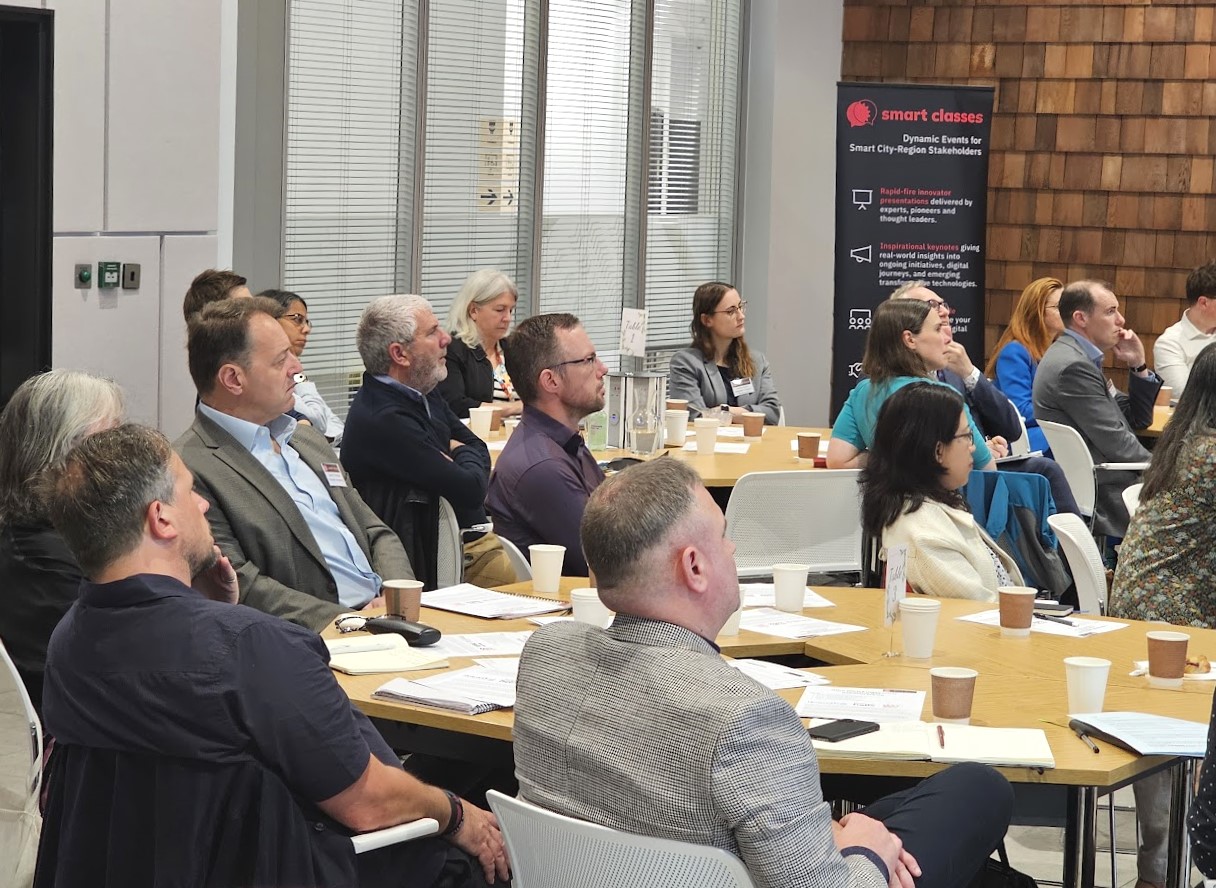
If you meet our regular delegate qualification criteria but were unable to join us at The Catalyst, Newcastle, for the live in-person event on July 10th, CLICK HERE and complete the short “Download form” (located at the bottom of the post) to receive a unique link enabling free access to the presentation video recordings and slides (including the film footage and slides from Michelle and John’s keynote).
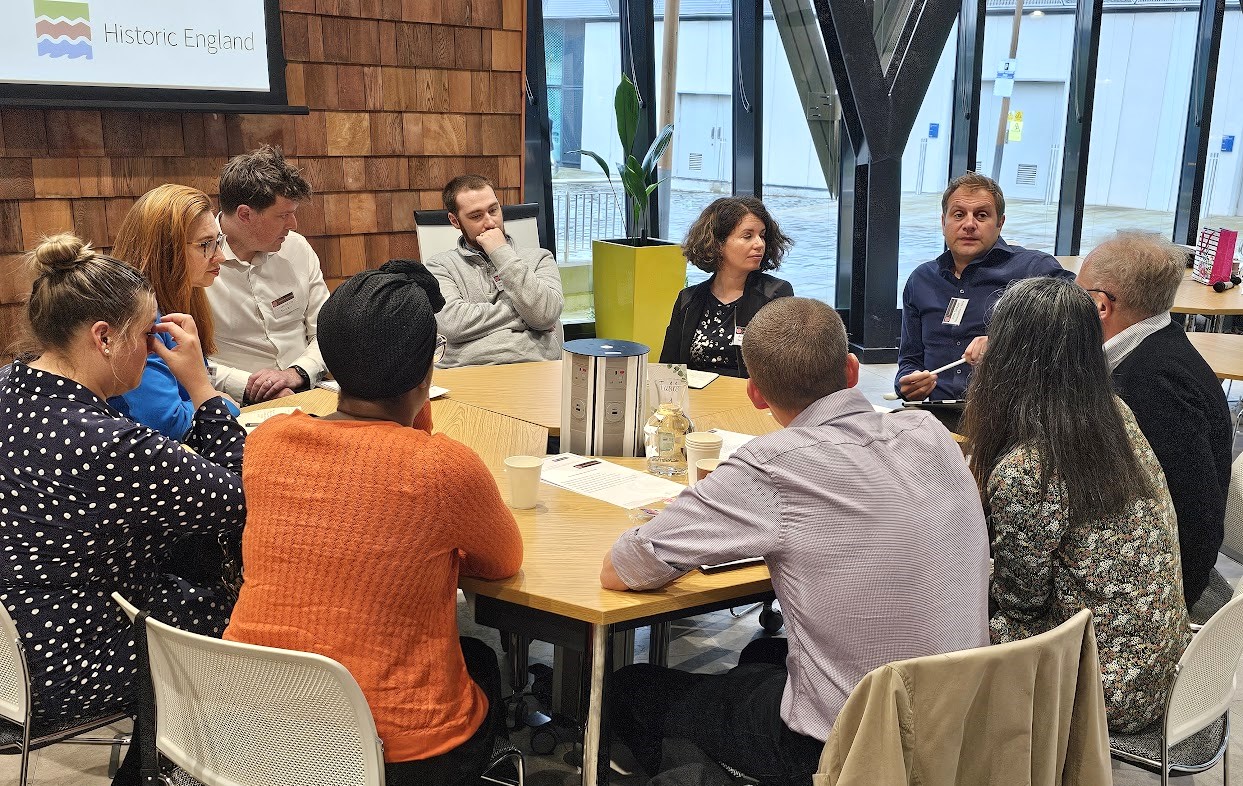
Those qualifying to receive the rich presentation content from this event include commissioning, procurement, trialling, partnering and policy leads, senior influencers, strategic decision makers, planners, place makers, architects, green space managers, urban designers, communities & neighbourhoods, highways & street scene, transport & mobility and high streets & regeneration professionals from UK councils and local authorities (city, borough, metropolitan, district, county and combined); people and place partnerships; developers, landowners and creators of privately owned public spaces; prime contractors and city centre management companies; DfT, DEFRA, MHCLG, EA and supporting governmental bodies; transport authorities, highways agencies and public transport operators; civic organisations and community groups; and other key players from the public realm ecosystem with responsibility for managing, maintaining and operating our streets, squares, forecourts, parks, pathways, retail centres, car parks, airports, ports, travel hubs, hospitals, housing estates, campuses, communal gardens and the assets contained within these public or semi-public spaces.


